

 LinkedIn

Your answer-first FAQ page may be invisible precisely because you followed the advice. Give an AI engine the same clean answer fifty competitors give it, and it has no reason to cite yours.
I spent years rewriting pages exactly the way the guides say: question-shaped heading, direct answer in the first two sentences, tidy schema to match. The result was a page that made perfect sense to a crawler and said nothing the crawler needed from us. I stopped blaming formatting and started looking at what retrieval was for. An engine can generate a familiar answer itself. It cannot generate your actual price, your measured failure rate, or what changed on a dated changelog. A fact only you publish gives the engine a reason to name you.
The standard playbook makes you legible, not necessary
The advice is not stupid. Write answer-first passages that stand alone, with the direct answer in the first 1–2 sentences under a question-shaped heading, because AI Overviews extract passages, not pages. Add FAQPage and Article schema for three to six buyer questions. Keep that schema in sync with visible copy, keep the HTML crawlable, and seek external corroboration for the tiebreak. I followed that checklist for clients. Much of it is good hygiene.
The problem starts when hygiene becomes the whole strategy. If every competitor follows the same instructions, you do not get fifty distinct candidates. You get fifty versions of the same sentence, each hoping its markup will make it special. When pages answer equally well, validation becomes the tiebreaker. Now the smaller business is competing with older domains and stronger backlink profiles on their terms. A cleaner FAQ does not change what the answer needs.
Keep the heading and the crawlable HTML. Stop expecting either to supply a reason for attribution.
Fifty identical answers give the engine no reason to fetch yours
Here is the mechanism the formatting guides skip. For common questions, models can draw on what one breakdown calls parametric memory; live retrieval matters when an answer needs something the model cannot generate. Your beautifully structured explanation of a familiar concept can be useful to a person and still be unnecessary to an AI answer. If the answer needs no fact from your page, there is nothing distinctive to attach a citation to.
Retrieval is not the finish line either. ChatGPT cites only about half of the URLs it retrieves; 61% of AI answers use more sites than they credit, and most pages cited in AI Overviews did not rank in the top 10 for the query. I think of it as a retrieval auction with an attribution filter at the end. A page can make the shortlist and still disappear from the answer. The engine keeps the source it needs to name. Interchangeable explanations collapse into an unsourced sentence.
A unique fact changes the tiebreak
If forty pages say the same thing, retrieval needs a tiebreak and uses authority. The oldest site has the advantage. If your page contains a figure nobody else has, the decision changes: the engine can use your figure or leave it out. I used to tell clients that clean structure would let a small site outrank a big one in answers. I was wrong about what structure could do on its own.
The click problem makes that mistake expensive. One field case tracked 531 top-10 queries producing 28,847 impressions but only 161 clicks: a 0.56% CTR, with 452 queries getting zero clicks once an AI summary sat above the results. A tidy ranking is not much comfort when the answer sits above it. You do not earn a place in that answer by writing the clearest paraphrase of everyone else. You earn it by supplying a sentence the answer cannot say without you.
Schema helps a bot parse an answer. It does not give the bot a reason to choose your answer. Parseable and interchangeable still loses to citable and unique. Even the formatting playbook makes room for external corroboration. That is an admission that format alone cannot pick the winner.
Prices and measured numbers give an answer something to cite
Start with the thing businesses are often reluctant to publish: their prices. Across 2 million citations over six months, pricing pages carried a +0.39 citation coefficient versus −0.12 for listicle reviews after controlling for domain, length, and age. Pricing and comparison pages hold the specifics an evaluation prompt asks for. When a buyer asks what something costs, a generic guide can explain the category. It cannot supply your number.
For a home-services business, that might mean a starting price and the three conditions that push it up. The page need not be elegant. It needs to tell a buyer what the polished, schema-marked guide avoids saying. Silence does not preserve a competitive advantage when the buyer is asking for a comparison; it removes your business from the part of the answer that requires a price.
Operations numbers do the same work. The Princeton/Georgia Tech GEO study on 10,000 queries found that adding statistics lifted AI visibility by roughly 33–41%, and quotations by about 41%, the largest gains tested. Not better headings. Statistics. An installer who can truthfully state an average install time and an inspection failure rate has something a competitor cannot honestly copy. “Quality installs matter” gives the engine nothing to attribute. If a competitor could copy your sentence without lying, it is not your citable fact.
That does not mean printing a number for the sake of having one. Measure the thing first, state the period it covers, and put it where a buyer would look for it. A borrowed industry average remains borrowed even when you put your logo above it. The point is not to make every page sound like a research report. It is to publish what your own business already knows and a generic answer does not.
A dated changelog beats a timeless guide when the facts change
The third category may already be sitting in your inbox: what changed this year. Dated changes matter because they can become stale. In one 30-day edge-log analysis on the groas site, a dated changelog page kept drawing live-answer fetches while three category pages drew zero. It was not better schema or more polished prose. The page held the thing an answer needed that day: what was true now.
An AI assistant prefers content roughly 25.7% fresher than average organic results, and content older than 12 to 18 months starts at a disadvantage on pricing and regulation queries unless it gains new numbers, not merely a new date stamp. That distinction matters. Changing “2025” to “2026” is housekeeping. Recording what changed, when it changed, and what it now costs is information.
That is why our most-fetched post internally was a 2026 updates log, not a guide. A guide says what is generally true. A changelog says what changed on what date, what broke, and what the fix costs. When the question is about a dated change, the engine needs a source with that date. Publish the change. Keep the old entries. Let the page get uglier and more specific over time.
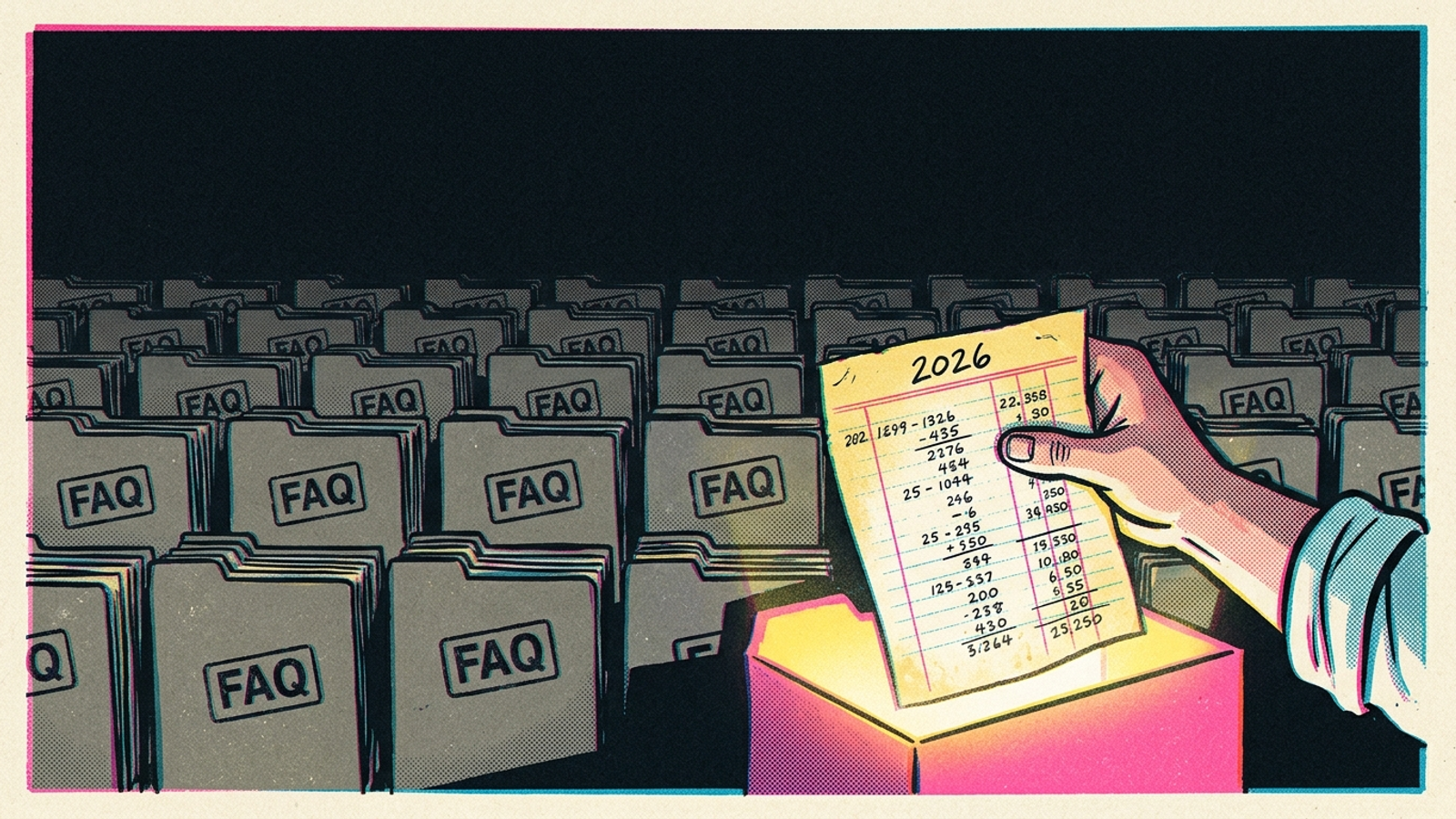
Do not invent a proprietary fact because you need one
This argument has a boundary. If a regulator or marketplace owns the fact, do not try to out-publish the source of record. A mortgage broker cannot out-cite the Bank of England base rate page. An Amazon seller cannot out-cite Amazon’s own fee table. In those cases, interpret the source for your town or niche, then publish the information that is yours: your turnaround time, your rejection rate, your local council’s actual processing delay. Leave the base rate to the bank.
The same goes for a business reselling someone else’s commodity. If the supplier sets your prices and timelines, and you do not know your failure rate because you never measured it, thin numbers will not help. Fix the measurement first. Track twenty jobs with dates and costs before you write the page. Three real numbers beat thirty borrowed ones. Invented numbers are a liability, not a shortcut to a citation.
The practical distinction is ownership, not glamour. A mundane figure from your own work can be more useful than an impressive statistic every competitor can repeat. Find the fact you can stand behind before you decide how to format it.
Checklist: find the facts your competitors cannot copy
You do not need to commission original research to start. Open your invoices, job sheets, CRM, and calendar from the last 90 days. Look for the questions customers actually asked and the answers your records can support. groas covered the answer-first baseline in Your AI Content Gap Is Probably a Page You Already Own. Keep that hygiene; use this checklist to find what matters after hygiene ties.

- Starting price and the three things that move it. A range is fine; unexplained silence is not.
- Measured timeline from deposit to completion. Use the median from your last 20 jobs and attach the month.
- Local specifics a national guide cannot supply. Name the place and the relevant council wait, parking constraint, soil type, or building stock.
- What changed this year and what you charge now. Update one dated page with new facts, not just a fresh date stamp.
- Put each fact in a page section with a date and a sentence that stands alone. An answer cannot lift a point it needs four paragraphs to reconstruct.
- Failure, callback, or rejection rate. This is the number most owners skip; without a measured fact only you can publish, you are back in the tiebreak with fifty identical guides.
A keyword gap report will not find the missing fact
This is where content gap tools often send you in the wrong direction. Traditional tools such as Ahrefs Content Gap and Semrush Keyword Gap show keywords and topics you do not rank for. They do not tell you why an answer cited a competitor instead of you. Ahrefs was built for keyword and backlink intelligence. Its output can send you toward the same guide your competitor wrote, only longer.
What you need to inspect is smaller and more awkward: the exact sentence the answer used and the fact your page lacked. Was it a price table? A dated 2026 update? A measured timeline? Those are page-level gaps, not missing topics. You can fill one without publishing another broad guide, but only if your business has the underlying fact. If your gap report ends in a keyword list, it measured rankings. It did not measure citations.
Keep polishing the answer-first page instead, and the consequence is predictable. You can hold a tidy ranking while a summary answers the question above you. Your explanation becomes easy to paraphrase; the citation goes to the competitor who published the number the answer needed. Formatting made you legible. It did not make you necessary.
I would rather ship one plain page with a starting price, a median timeline from the last 20 jobs, and the failure rate I hate admitting than ten perfect guides with schema. One page gives an answer a reason to name its source. The other ten give it sentences it can write without me. Ignore that difference, and it will.