

 LinkedIn
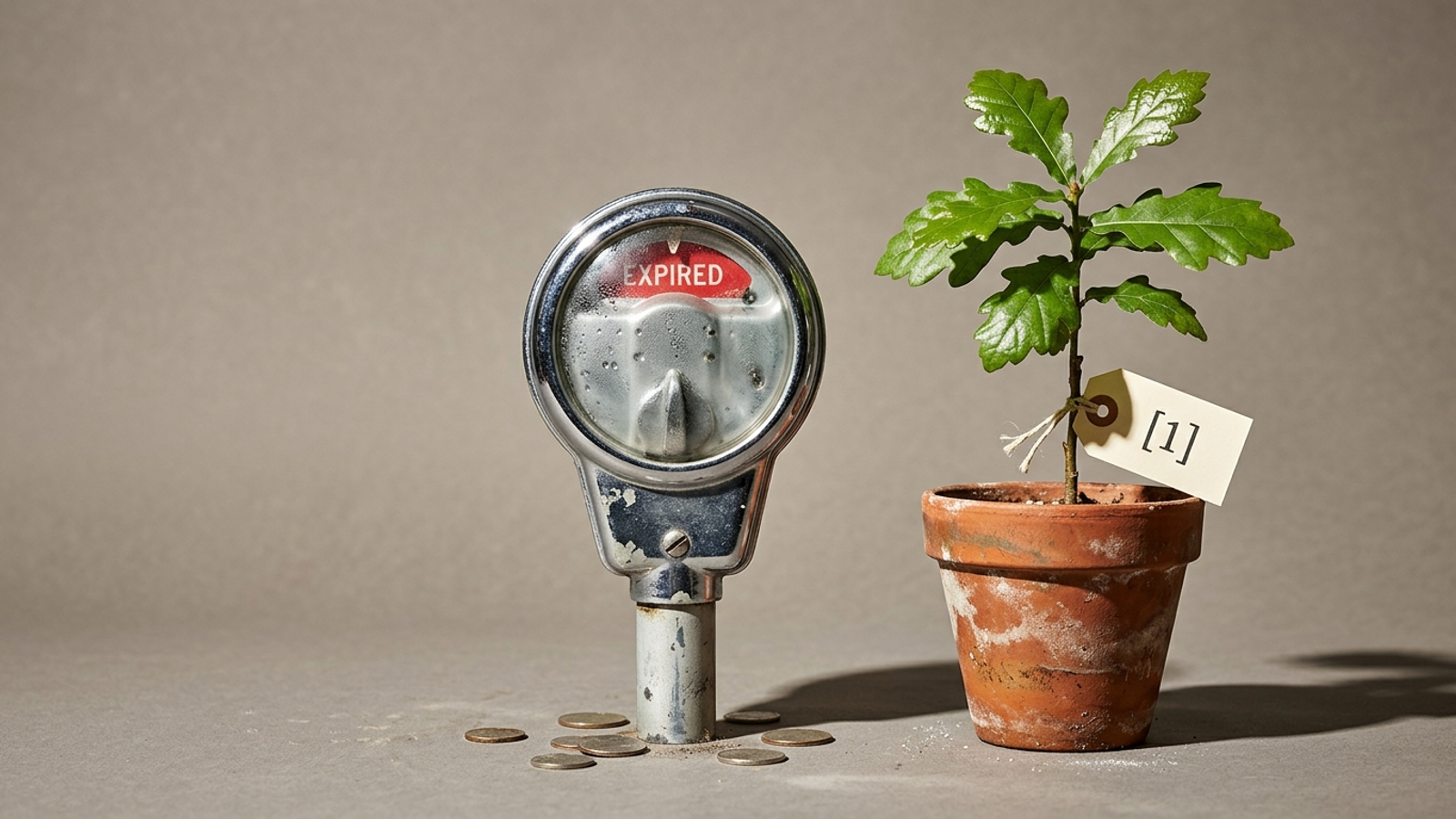
Your next search dollar can rent a place beside an AI answer or help earn a citation beneath it. If you sell through search, that is the choice: paid placement in AI answers versus an earned source citation. I spent a decade buying clicks by the spreadsheet, mining negative keywords at 1am and watching client landing page swaps tank Quality Score. I judge this fight the way I judged ad copy: what does it cost, how long does it hold, and what happens when the money stops?
My answer up front: for most businesses, the citation is the strategy and the ad is a test channel. An ad has to keep winning an auction. A useful page can remain available for Google, ChatGPT, Perplexity and Gemini to cite without another per-click payment. That does not mean every engine will cite it, or that a citation lasts forever. It means the work can keep earning visibility after the invoice is paid. The ad cannot.
I am scoring the two contenders on five budget questions: time to visibility, durability, cross-engine reach, measurability and buyer trust. Paid wins one cleanly. That win matters, especially if you need sales now. It just does not settle where the long-term money should go.
Contender A: the ad you rent beside an AI answer
Here is what you can buy on Google, and what you cannot. You cannot buy the AI Overview slot directly. Text and Shopping ads from existing Search, Shopping and Performance Max campaigns are automatically eligible, but they still have to win the auction and be relevant to the query and the AI Overview content. There is no separate targeting and no opt-out. You cannot ask Google to show your ad only with AI Overviews, or keep it out of them.
I used to tell clients control was everything. I was wrong about how much of it an advertiser gets here. You control the campaign inputs; Google controls whether that eligible ad appears alongside an AI answer.
Outside Google, the menu is thinner. ChatGPT ads launched as bottom-of-answer Sponsored boxes for Free and Go tiers on February 9, 2026, matched to conversation context rather than keywords, with OpenAI saying ads do not influence the organic answer. The reported May 2026 figures were $3 to $5 CPC and 0.91% CTR, against a 6.4% Google Search benchmark. Those numbers do not tell you whether a click buys a customer, but they do tell you not to copy a Google Search forecast into a ChatGPT plan and call it a budget.
Perplexity has no ad slot to buy in 2026: after testing sponsored follow-ups from November 2024, it phased ads out and confirmed in February 2026 that it was not pursuing advertising. On Google, reporting has its own catch. AI Overview and AI Mode ads are blended with other Top Ads, with no separate performance breakdown.
You can buy eligible traffic. You cannot buy an AI-only Google campaign or a report that proves what that placement alone delivered. Keep that distinction on the budget sheet.
Contender B: the source you make worth citing
Nobody sells you the little linked source beneath an AI answer. You earn a chance at it by giving an engine a page it can read and a passage it can use: one question answered per block, with the number and its condition in the same sentence. In my audits, citable pages often look boring. They have short headings that match the question, a 40-to-80-word answer near the top, then the proof beneath it. The clever introduction can wait. The reader, and the parser, came for an answer.
Authority still matters, but so does coverage on the sites the engines trust. A page that stands on its own is more useful than another 2,000-word guide that makes a buyer hunt through six sections for the price and its conditions.
The cost model is inverted. You pay up front in work: rewrite the page you own, add the missing answer block, and fix the fetch or parse issue that stops a bot reading it. You do not pay again each time an engine chooses to cite that page. One useful fix can serve more than one engine without a per-click meter. That is the case for earning citations, not a promise that four engines will quote every page you publish.
Axis 1: need visibility soon? The ad wins
The ad wins on speed because there is less to earn. If your campaign is eligible, its ad is relevant and its bid clears the auction, it can appear alongside an AI Overview without waiting for you to publish a new page. That is why I still buy ads for launches, seasonal offers and tests where waiting six weeks would mean learning nothing. The important word is can: eligibility is not a reservation for the AI slot.
A citation runs on editorial time. You ship the fix, wait for recrawl and re-indexing, then wait to see whether an engine uses it. You can improve a page today; you cannot set a delivery time for its first citation. Say you are spending $20k a month and need pipeline next week. The ad is the contender with a plausible near-term route to traffic.
For immediate demand, buy eligible traffic. Do not budget as though you control the AI Overview appearance.
Axis 2: stop spending, and the citation takes the lead
Pause the campaign and the ad stops appearing. There is no residual position and no discount for last month’s spend. If you want the placement again, you go back into the auction. I like a good auction win. I also know how quickly it turns into a line item you cannot switch off.
The page you fixed stays available when the campaign stops. An engine may continue citing it until it finds a better answer or changes what it shows. That is not permanent ownership of an AI answer; it is a more durable way to compete for one. You can keep improving the same page instead of paying to regain the same ad position tomorrow.
That distinction matters in a thinner click stream. Where Overviews appeared, outbound organic clicks fell 38% and zero-click searches rose from 54% to 72%. In that analysis, being cited earned about 120% more clicks than not being cited. Fewer available clicks make the link beneath an answer worth fighting for, even though getting it is never guaranteed.
Rent clicks for near-term cash flow. Build answers for visibility that can outlast the spend.
Axis 3: across engines, a citable page travels further
Your buyer does not have to stay inside Google. Perplexity has no ad slot to buy in 2026. ChatGPT sells Sponsored boxes, but that is a separate buy with different matching from a Google Search campaign. If your entire plan is to keep raising the Google bid, neither fact helps you reach someone asking Perplexity for options.
A page has no such campaign boundary. The same answer block can be useful to an AI Overview, ChatGPT, Gemini and Perplexity, though each engine chooses its own sources. If you work only on Google’s ad eligibility, you have done nothing to make your answer easier for those other engines to cite. If you fix the page, you have made one asset available to all of them. I would still check the engine-by-engine comparison of where citation paths differ and where to work first before assuming one edit solves every visibility problem.
An ad buys access to its placement. A citable page can compete in several answers.
Axis 4: neither side hands you a clean attribution report
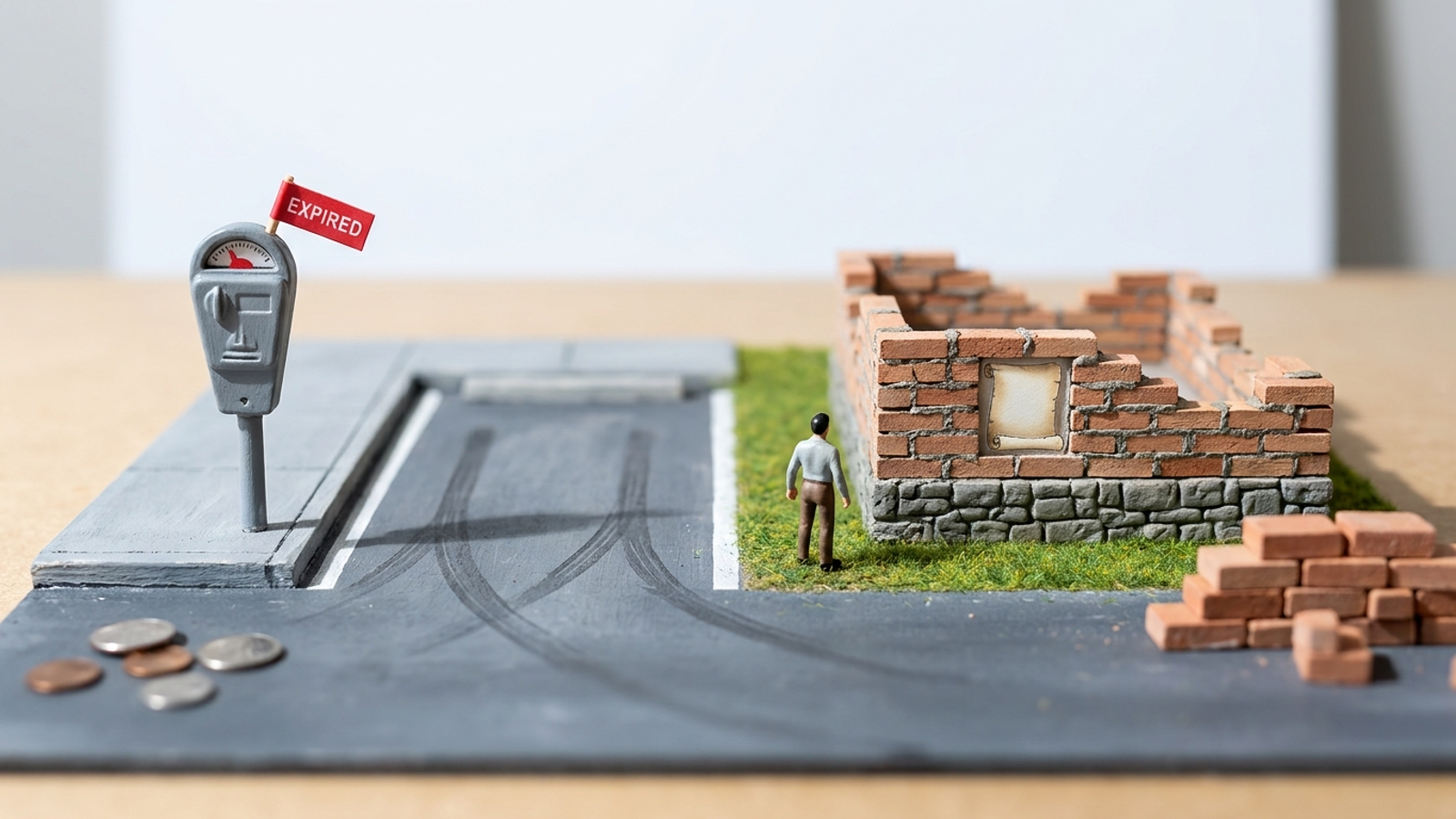
Measurement is where the neat head-to-head gets untidy. Google blends AI Overview and AI Mode ads into Top Ads, so you cannot pull out the AI placement and read its CPA. An eligible campaign may perform well while leaving you unable to say whether the Overview appearance added anything. A slide labelled “AI ad results” does not create a reporting segment that Google never gave you.
Earned citations have a different gap. Search Console does not segment AI Overview clicks from organic, and GA4 has no distinct referral parameter for them. You need proxies and a baseline: prompt tracking to see whether you are cited, CTR changes and branded search volume to watch for movement, and holdouts where you can use them. None turns a citation into a perfectly attributed sale.
I prefer the citation problem, but not because it is easier. It forces an honest question: after we improved these pages, did visibility and business outcomes move relative to what we expected? For ads, ask the same question of the eligible campaign, not the AI slot you cannot isolate. If the campaign fails your cost-per-qualified-lead bar, a theory about where the ad might have appeared will not pay the invoice.
Write down the baseline and the kill rule before you spend. Judge what you can measure, not the placement you wish the dashboard showed.
Axis 5: the sourced answer has the trust advantage
What the deck calls “native AI commerce,” I call an ad wearing a lab coat. Buyers can see the label. In a Quad/Harris poll reported in April 2026, 75% of Americans said they would trust AI shopping less if results were sponsored. That is a warning about the surface, not a conversion-rate forecast for your campaign.
A citation plays a different role. It appears as a source attached to the answer, with a link a buyer can inspect. In a considered purchase, that matters: the buyer may want to check the price, the condition behind a claim or the page the answer drew from before taking the next step. Earning that source position does not make your business automatically trustworthy. It gives your work a chance to be checked instead of asking the buyer to treat a sponsored box as evidence.
If buyers need to verify a claim before they act, give them a page worth opening.
| Axis | Buy the ad | Earn the citation |
|---|---|---|
| Time to visibility | Fast if an eligible ad wins the auction | Requires page work, recrawl and selection |
| Durability | Stops when spending stops | Page remains available to cite |
| Cross-engine reach | Google eligibility; ChatGPT is a separate buy; no Perplexity slot | One page can compete across Google, ChatGPT, Gemini and Perplexity |
| Measurability | Campaign data, but no AI-slot split on Google | No clean AI Overview click split; use baselines and proxies |
| Buyer trust | Sponsored label can work against it | Linked source lets buyers check the claim |
Verdict: earn the citation; use the ad as a test
For a business choosing where the next strategic search dollar goes, the earned citation wins. It takes work up front, arrives more slowly and does not come with a tidy attribution report. It still wins because the page remains useful after you stop paying, and it can compete for visibility on engines where your Google ad cannot appear. An auction you must win again tomorrow is a cost. A page worth citing is an asset.
Buy the ad when the window is short
I would still buy eligible ads for a launch, a seasonal offer or a query whose economics I already know. If a hypothetical $4 click on a proven term turns into a $180 order at a rate you have measured, you do not need my permission. You need traffic while the offer is live. Just do not pretend you bought guaranteed AI Overview placement. The campaign may reach it; your test has to stand on the results you can actually see.
The cases I would put on the paid side are:
- A new product page with no citation history and a four-week sales window.
- A seasonal service whose query dies in January anyway.
- A proven Search term where more eligible traffic is worth testing against a pre-period baseline.
I would skip the ad test if I had a 90-day sales cycle and no reason to think an extra click would shorten it. I would also skip it if “learning” meant spending without a holdout, a cost target or a kill rule. That is not a test. It is a receipt.
Earn the citation when buyers research before buying
I would prioritize citation work for a considered purchase, a long sales cycle or buyers who move between engines. Think SaaS, home services, finance, health and B2B of almost any shape. A buyer can ask ChatGPT for options on Monday, check Perplexity on Tuesday, then Google the shortlist and read an AI Overview. Your page will not necessarily appear in all three rooms. Unlike an ad confined to its buy, though, it can compete in all three.
Start with the page you own for the query. Put the direct answer in a stand-alone block near the top. Keep a price and its conditions together, so neither a reader nor an engine has to assemble the claim from two paragraphs. Then fix whatever prevents bots from reading the page. I would rather make 20 pages closest to money genuinely useful than publish one more sprawling guide that buries its answer. Unsexy work. That is usually what the useful work looks like.
The hybrid I would run on a $20k monthly budget
Say you spend $20k a month and need pipeline now without making every future visit depend on this month’s bid. I would split it like this:
- $15k for proven demand: keep Search and Shopping terms that already turn into qualified leads or sales at your target CPA.
- $2k for an eligible campaign test: set a three-week window, a pre-period baseline and a kill rule. Judge cost per qualified lead, not CTR. AI Overview appearances may be part of that traffic, but the reporting will not isolate them.
- $3k for earned citations: rewrite and structure the 20 money pages so they are easier to read, answer from and cite across engines.
If the $2k campaign test clears your CPA bar, keep it as a volume tap. If it does not, stop it and put the money into the next answer block. I like this split inside groas because one team runs the bids around the clock and ships citation fixes in the same week, with actions logged and a named strategist accountable for the outcome. No dashboards for you to interpret. No junior manager learning on your budget.
The winner stays the winner. Earn the citation as strategy; rent the ad when speed justifies the bill.