

 LinkedIn

A homeowner asks ChatGPT for the best same-day garage door repair in Dallas under $300. Your agency says the answer depends on brand authority. I would look at something less glamorous: can the assistant find, fetch, and quote a page that answers the question?
That is the retrieval problem. When ChatGPT or Perplexity searches the web, it has seconds to turn a question into queries, pull pages, and assemble an answer. A business can have a fine reputation and still lose the citation because its useful details are buried under three paragraphs about its commitment to excellence. I used to manage search accounts for businesses like our hypothetical Dallas operator, say one spending $20k a month. In paid search, I watched the query, the auction, and the landing page. For AI citations, I watch the query, the fetch, and the passage.
Stick with that Dallas question. Each step gives us a reason to change something on the page, rather than another vague instruction to build authority.
First, the assistant has to need a fresh answer
ChatGPT has two broad ways to respond. It can draw on what it learned during training, or it can retrieve current information. You cannot edit its trained knowledge this month. And training alone is a poor fit for a question about a local service, a price ceiling, and same-day availability: those details change.
Live search is not guaranteed, though. A Semrush analysis of 80M queries found that ChatGPT ran a live web search about 46% of the time, answering the rest from memory. The page can compete for a citation only when the assistant goes looking. When it does not search, improving that page will not put it into that particular answer.
When it does search, the useful model is a chain: rewrite the question into searches, retrieve candidates, judge which results deserve a closer look, fetch pages, and extract passages to support the answer. A page can survive the early steps and still never be cited. That distinction matters more than a ranking screenshot.
groas saw the distinction in its 30-day edge-log analysis of AI bot traffic. Most hits were crawlers building indexes; only a small share were the live pulls associated with answers. Index presence gets a page considered. The answer-time fetch gives its words a chance to appear. Do not mistake one for the other.
The homeowner’s question gets rewritten before your page gets read
Our homeowner types best same-day garage door repair in Dallas under $300. The assistant may break that intent into searches such as same-day garage door repair Dallas, garage door spring repair cost 2026, and emergency garage door service Dallas reviews. Those are illustrative queries, not a transcript. The point is that each version may surface a different set of pages.
One breakdown of live answers describes the chain as query rewrite, retrieval, rerank, passage extraction, then synthesis. It also notes that retrieval is not a promise of citation: the page still needs a passage that supports something the answer says. In that analysis, 44% of citations came from the first third of a page.
This is why I no longer treat a ranking as the whole asset. A result title and snippet may earn the page a closer look, but a usable answer near the top gives the fetch somewhere to land. If your Dallas page hides its service area and price information below a long company story, it makes the assistant work harder at exactly the moment it has the least time.
Next, the fetch has to reach the page
From your server, retrieval looks dull. A bot requests a URL, takes the HTML, and leaves. The useful question is which bot arrived and whether it could get the answer.
OpenAI describes three agents with different jobs:
OAI-SearchBotcrawls for ChatGPT Search. Blocking it can keep a page out of search answers.GPTBotcollects material for training; its visit is not an answer-time citation.ChatGPT-Userfetches a URL on demand when a user points ChatGPT to it.
In groas’s 30-day logs, thousands of AI bot hits translated into a much smaller set of answer-time fetches, and two guides drew almost all of those. That pattern feels familiar to a PPC operator. Impressions are common; the visits that matter cluster. The analogy is useful here, provided we do not pretend every crawler hit is a customer click.
A page can lose before passage selection if the relevant content is hard to fetch. Slow responses, blocked crawlers, and answers that depend on JavaScript all create trouble at this step. No accessible answer means no passage to cite. Before rewriting your headline for the tenth time, check what the fetcher can actually receive.
Then one passage has to earn the quotation
Fetching a page is not the same as quoting it. Trackerly and Orbit data describe the gap: Perplexity cites about 19.2 sources per answer, ChatGPT about 4.5, and only 14.7% of pages ChatGPT fetches earn an inline citation. In that data, ChatGPT pulls roughly six pages for every one it cites.
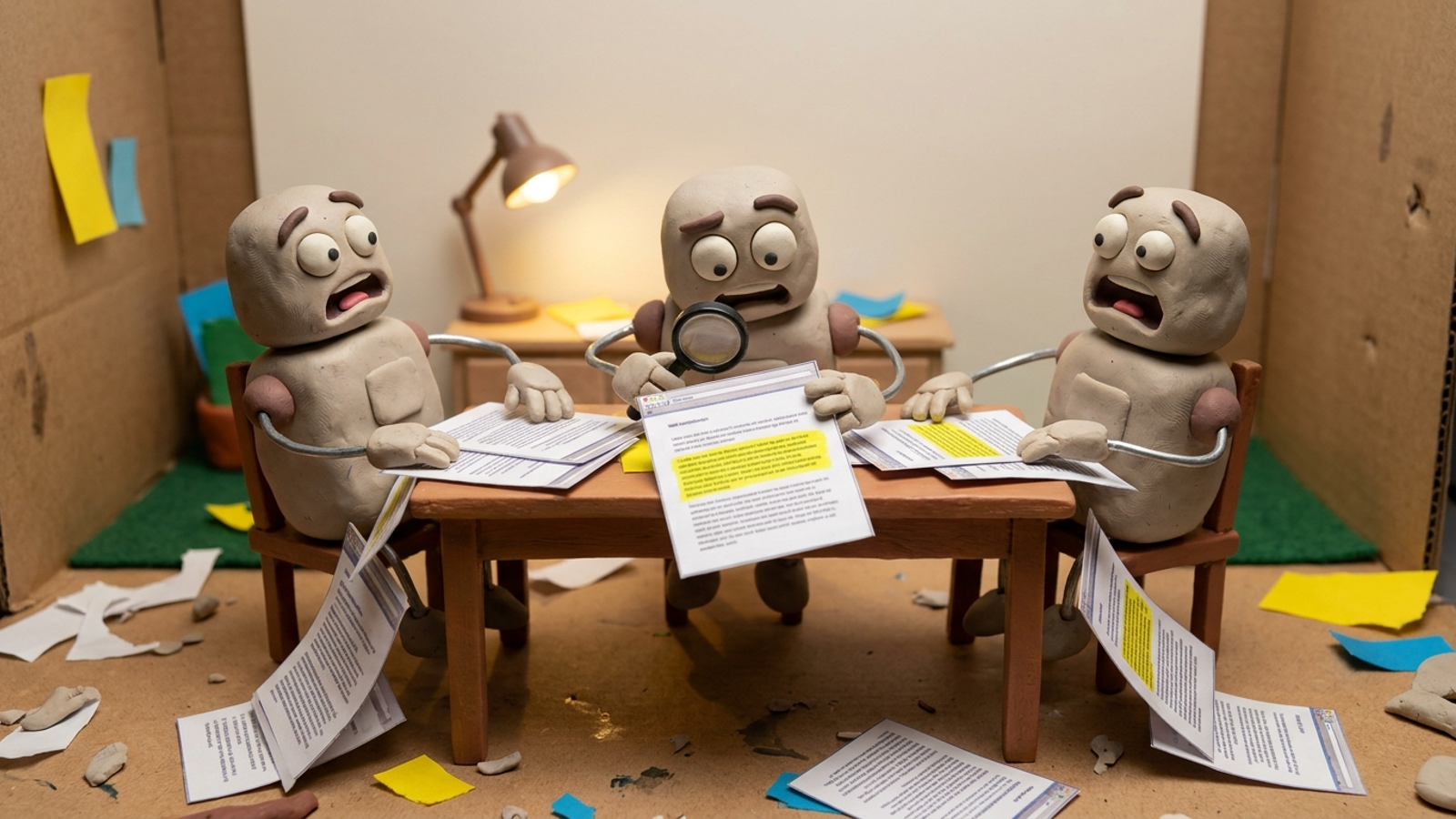
The assistant needs text it can use to support a claim. For our hypothetical Dallas business, imagine the opening says: Same-day garage door spring repair in Dallas costs $180 to $280, with a technician on site within four hours in ZIP codes 75201 through 75254. Those are example details, not a claim about a real company’s prices or coverage. The sentence works because it answers the homeowner’s question without needing the rest of the page: service, location, price, and timing are all there.
Now compare a hero headline that says Fast, Reliable Repairs You Can Trust, followed by three paragraphs of company history. It might be pleasant copy. It does not tell the homeowner whether this company meets the under-$300, same-day requirement. The fetcher has to hunt for the answer or use another page that states it plainly.
This does not mean every page needs to read like a spreadsheet. It means the claim that matters most should survive being lifted out of context. Put the direct answer early; let the explanation, conditions, and company story follow it. If the first 80 words cannot answer the query, start there.
A clean sentence still needs support
A quotable price is useful only if it is a price the business can stand behind. Details such as ZIP codes served, a price band, a four-hour window, and the name of a part like a torsion spring make the claim more specific. They also give the assistant something to compare with other results. Precision helps when it is real; invented precision is just a tidier way to mislead people.
The sources do not behave identically. One comparison of 100k prompts found that only 11% of cited domains were shared between ChatGPT and Perplexity, and reported that off-site corroboration made a ChatGPT citation 3.5 times likelier. A page does not control every other result, but a business can keep its own claims consistent with the information people find elsewhere.
That was a familiar discipline in paid search. Ad copy, landing page, and reviews needed to point in the same direction. If the ad promised one service and the landing page wandered off into another, the click was wasted. For AI retrieval, the corresponding test is simple: does the passage answer the question, and can its details hold up outside that passage?
ChatGPT and Perplexity do not run the same search
The retrieval model explains why the same page might appear in one assistant’s answer and not the other’s. Perplexity searches live on nearly every query and footnotes claims, while ChatGPT may answer from its trained model without searching. When either searches, its source selection still differs. In the cited comparison, the overlap between their cited domains was small.
Their tendencies matter to our Dallas page. The draft’s source comparison describes ChatGPT drawing heavily on Wikipedia for background and Perplexity drawing more on Reddit and recent pages. It also reports that about 73% of ChatGPT live results overlap with Bing results. None of that makes a Bing Webmaster Tools submission a magic citation button. It does make Bing index coverage worth checking rather than assuming Google visibility settles the matter.
I used to make that assumption. It was the search-marketing equivalent of checking one dashboard and declaring the account healthy. For a page you want cited, check the surfaces that can put it in the candidate set, then check whether the page gives the assistant a usable answer.
The PPC analogy works until someone tries to bid
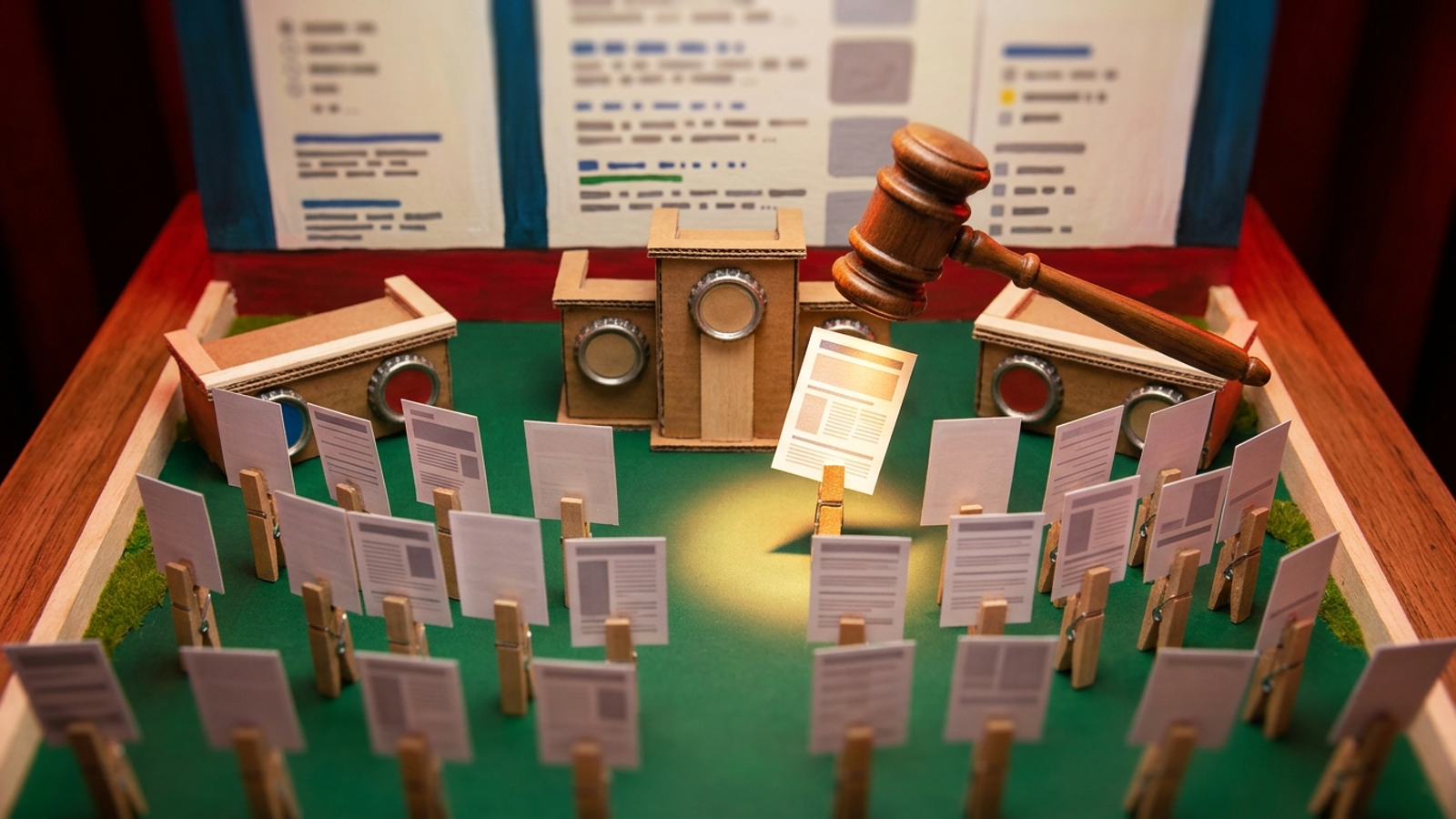
In Google Ads, a query helps determine which ads are eligible; the auction chooses what shows; the landing page has to turn the visit into something useful. AI citation follows a similar sequence. Rewritten queries shape eligibility, retrieval produces a shortlist, and passage extraction determines which pages supply words for the answer.
That sequence tells us where to work. If the Dallas page cannot be crawled, polishing its answer sentence is premature. If it is fetched but says nothing specific, more talk about brand authority will not fix the missing passage. It is like raising bids while ignoring a landing page that will not answer the customer’s question. Wrong lever.
Here is where the analogy breaks: there is no citation bid to raise. Several sources can appear in one answer, and an assistant can answer without live search at all. Fresh, well-structured material may help in one search without guaranteeing a place in the next. Treat the auction comparison as a way to diagnose the stages, not as a claim that citations have an Ad Rank you can buy.
Three predictions you can check on a real page
Once you separate discovery, fetch, and passage selection, three outcomes stop looking mysterious:
- A plain Reddit answer can beat a polished service page. If the thread gives a clear price and the service page gives only a paragraph about trust, the thread has the easier passage to use. That is especially relevant where Perplexity draws on recent pages and Reddit.
- A blocked or script-dependent page can lose before its copy gets judged. A technical readiness checklist for ChatGPT Search warns that JavaScript-loaded content may be partly invisible and points to Bing indexing and crawl errors as checks. A good answer hidden from the fetcher is no answer at all.
- Structure can make an existing answer easier to extract. Authoritas data summarized in ChatGPT citation studies associate FAQ schema with roughly 3x more citations than equivalent unstructured prose. That is a reason to test clear question-and-answer structure, not a reason to paste schema over a page that lacks useful facts.
None of these predictions asks you to manufacture a reputation campaign. They ask you to inspect the path from question to quoted sentence.
Check the page that matters most this week
Choose one page tied to a valuable question: the emergency repair page, a pricing page, or an intake page. I would rather fix one page that maps to revenue than rewrite a whole blog for what the deck calls synergy. Then work through the stages in order:
- Can it be found and fetched? Check Bing Webmaster Tools for index coverage, confirm
OAI-SearchBotis allowed, and view the page with JavaScript off. Look for the answer the visitor needs, not merely a header and an empty content area. - Can its opening be quoted? In the first 100 words, give a direct answer with the service, location, price band, or turnaround that the page can genuinely support. Read the sentence by itself. If it stops making sense outside the page, rewrite it.
- Can its details be checked? Keep the service area, part names, timelines, and prices consistent. If an FAQ genuinely answers common questions, structure it so the answers are easy to find. Check that relevant information elsewhere does not contradict the page.
groas applies that triage across pages through fetch checks, passage rewrites, and citation tracking. Doing it by hand across 50 pages is precisely the repetitive work I wanted to leave behind. If you want to work through the hands-on version, see how to get your business cited in ChatGPT and Perplexity.
Now take the model somewhere else. A SaaS founder asks ChatGPT for the best CRM for a 10-person law firm that needs intake forms. Training alone may not resolve a question about current features and prices, so imagine the assistant searches for CRM for law firm intake forms, small law firm CRM pricing 2026, and law firm CRM reviews. Those queries produce candidates. Fetching their pages produces passages.
One feature page lists 40 integrations and promises streamlined intake. Another, in this hypothetical example, leads with: Clio-class intake with conflict checks costs $79 per user per month and includes web forms that write to the matter record. If that second page can be fetched and its claims hold up, it gives the assistant the buyer, task, price, and mechanism in one sentence. The first page makes the assistant infer nearly all of them. I know which passage I would expect to survive extraction. The model did not change when the market did.