

 LinkedIn

Your page ranks first. ChatGPT names your competitor. Is good SEO enough to earn AI citations, or does AEO require its own work? Smart operators disagree because rankings put pages in front of search engines, while an AI answer may draw on a specific passage or a third-party mention instead.
I know why the SEO lead calls a separate AEO retainer double billing. I have seen an agency put familiar title rewrites, FAQ blocks and link building on a new invoice. I also watched a client rank number one last year while ChatGPT recommended his competitor by name. I will give each camp its best argument before I tell you where I would put the next dollar.
Position A: Good SEO earns the right to be cited
The SEO-is-enough camp starts with the machinery. AI Overviews draw from pages Google can crawl, index and show in search. In one Semrush analysis of more than 10 million keywords, about 97% of AI Overview citations came from pages in the top 20 organic results. Position-one pages were cited more than half the time an Overview appeared. Rankings do not guarantee a citation, but they put you in the pool.
Google’s Search Central guidance reinforces that case: there are no additional requirements to appear in AI Overviews or AI Mode beyond being indexed and eligible for a snippet. If a consultant sells you a secret submission process, ask what they are submitting to. Then ask why it costs extra.
I used to tell clients that conventional SEO covered the job. I was wrong to say it covered everything, but the foundation still matters. A page Google cannot fetch has no answer to quote. A page that buries the answer under three popups and a vague introduction makes the job harder. Crawlability, useful content and links are not relics just because the results page has a new box at the top.
There is a budget argument here, too. Suppose the proposed AEO work is to improve titles, add clear answers and build links on pages your SEO team already owns. You do not need a second label for the same tasks. You need the first team to finish them. For a business whose pages are not indexed or do not rank, buying a citation playbook before fixing the pages is paying for the upstairs renovation while the front door is still locked.
Position A’s strongest advice: fix indexation and rankings before you fund a separate AEO effort.
Position B: Ranking gets you in; passages get you quoted
The AEO-is-different camp accepts that foundation. Its argument begins one step later. Google can split a question into related sub-queries, a process practitioners call query fan-out, and assemble an answer from passages that address those parts. Your number-one page for the head term may spend 800 words circling the answer. A lower-ranked page may give it in two to four sentences. Ahrefs describes a top-ranked page without a tight, extractable answer getting passed over for one that supplies a quotable block.
The citation data gives this camp something firmer than a formatting preference. An Ahrefs re-run of 863,000 results pages found about 38% of cited pages ranked in the top 10 for the same query, down from about 76% in July 2025. Another 31% ranked from 11 to 100, and 31% beyond 100. A WashU study of 55,393 searches found 29.8% of cited domains did not appear on page one. In that study, Overviews appeared on 64.7% of question queries versus 9.5% of non-questions.
Those figures do not erase Position A’s top-20 finding. They use different cutoffs and samples. They do show why rank well and the citation follows is too easy a promise, particularly when the buyer asks a question rather than typing a head term.
I have seen the gap myself: a number-one ranking did not stop ChatGPT naming someone else. A TechRadar hands-on test found a similar mismatch. TechRadar ranked number one for a best free VPN query, yet ChatGPT named the VPN at Google position four. A rank tracker would have called the first part a win. The answer gave the name to someone else.
ChatGPT and Perplexity bring a second complication: third-party pages you do not control, including listicles, review sites, forums and comparison tables. In one study of 15,000 AI answers, 85% of cited sources were third-party pages. That sounds like a mandate to chase mentions everywhere. The detail underneath is more useful. When a brand’s own site was cited, its name appeared 90% of the time in Overviews and 73% in ChatGPT. When only a third-party page mentioning the brand was cited, those figures fell to 25% and 6%.
In other words, an off-site mention and a named recommendation are not the same prize. I learned that distinction the slow way, paying for directory listings that mentioned us while our own service page gave an engine nothing quotable to use. A mention can put you near the answer; a clear passage on your own page gives it a better chance of naming you.
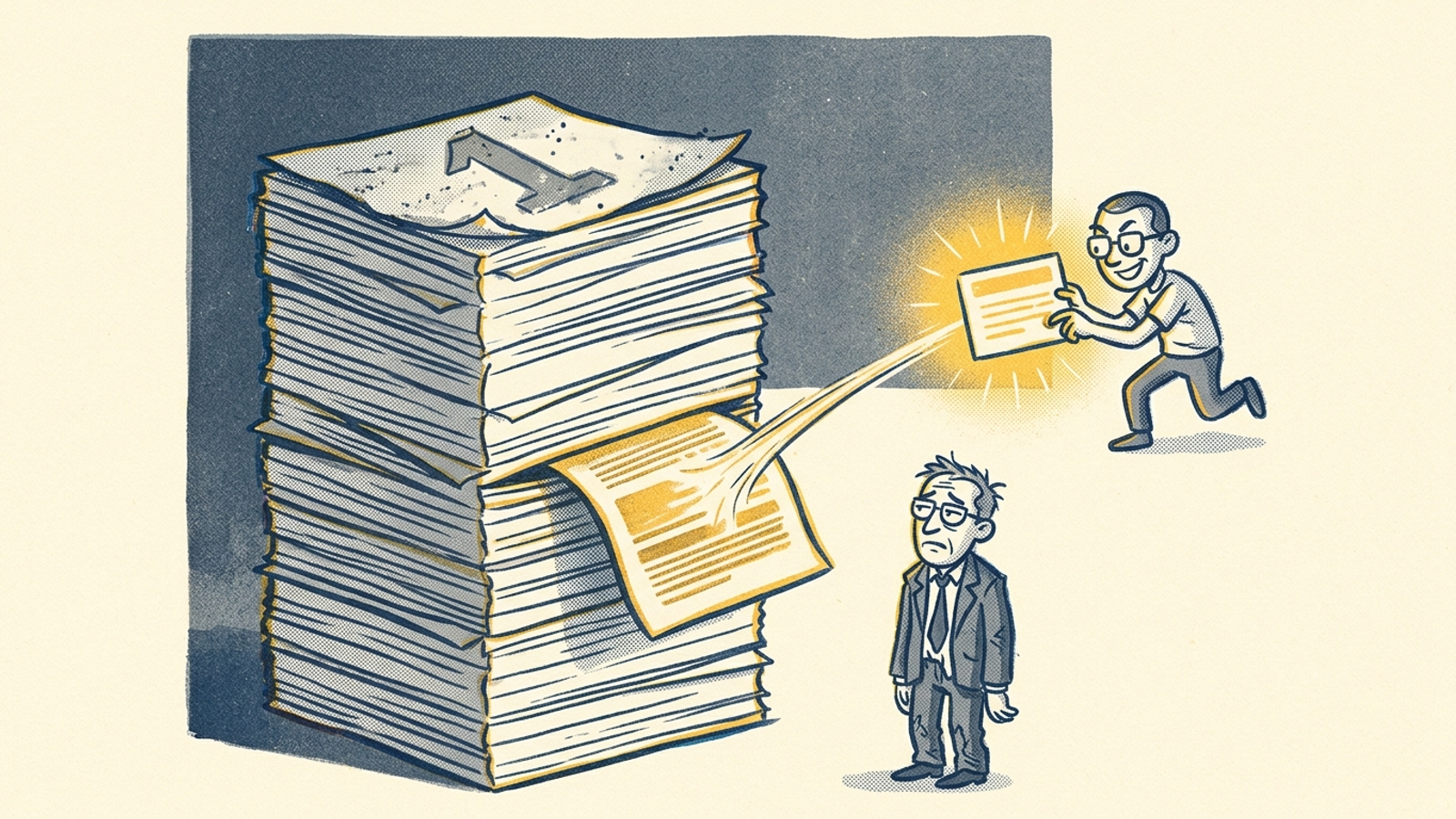
Query fan-out makes the missed opportunity expensive. Your SEO plan targets a head term. The engine works through follow-up questions about cost, timeline, risks, alternatives and who the offer suits. Say you spend $20k a month holding position three for a money keyword. If your page never answers those follow-ups cleanly, that position does not settle every buyer prompt built around them. Good SEO got the page into the index. It did not necessarily give the answer something useful to lift.
Position B’s strongest advice: keep the rankings, then write for the questions and passages that citations actually use.
The dispute is about what happens after the crawl
Now the rebuttal. Position A is right to distrust an AEO invoice that duplicates SEO work. Position B is right that a rank report cannot tell you whether your business was named in an answer. Neither point requires pretending the crawl stopped mattering. If Google cannot fetch the page, nothing downstream fixes that. A clear page, useful content and the authority to rank remain the floor.
The fight starts after a page clears that floor. A conventional SEO plan may target the head term while leaving three distinct jobs undone:
- Question coverage: Does the page answer the cost, fit, timeline, risk and comparison questions that surround the main query?
- Entity clarity: Can an engine pull your name, product and relevant proof into a short answer without guessing? That is the practical issue behind how AI assistants choose passages.
- Off-site clarity: When a listicle or review page does appear, does its description make it clear what you do, or does the mention leave you indistinguishable from everyone else?
Call those tasks AEO if the name helps you scope them. Call them unfinished SEO if they belong on the existing team’s list. I care less about the acronym than whether someone owns the work. The invoice is not the strategy.
My verdict: buy coverage, not a second label
I side with Position B for businesses whose buyers research before they buy. Rankings are necessary, but they are not sufficient for getting named. The deciding consideration is question coverage: the page that ranks for the original term may not answer the follow-ups an AI answer uses. The drop from 76% to 38% top-10 overlap in the Ahrefs comparison makes it harder for me to treat the original ranking as the whole job.
That is not a vote for every package carrying an AEO sticker. It is a vote for finding the missing answers and assigning the work to whoever can deliver them. Here is where I draw the spending line.
If the phone already rings, skip the extra retainer
If you run a local service business with three money pages, page-one rankings and a phone that already rings, I would not buy a separate AEO line item on principle. Keep the money on rankings, reviews, site speed and the basics your current team should already handle. A plumber ranking first in his city does not need a speech about entity optimization before he fixes his call tracking.
That is the narrow exception, not a claim that local businesses cannot appear in AI answers. The question is whether a second retainer buys work the first one could do. Do not pay twice for answer blocks and page fixes.
If buyers compare you, inspect the pages that already rank
B2B and SaaS buyers with long research cycles, home services with $5k tickets, and ecommerce shoppers searching best or versus have more follow-up questions. If your pages sit around positions four to twelve with steady impressions, you have a place to start. Your page may be relevant to the main query yet leave cost, timeline and tradeoffs inside 900 words of positioning and a hero banner.
I would start with the pages already earning impressions. Add short answer blocks under specific headings for the follow-up questions the page can genuinely address: cost, fit, timeline and comparisons. Aim for two to four sentences each. Name the business where the name helps the answer make sense, and use a concrete number when you have one you can stand behind. Do not manufacture precision for a citation.
I used to bury useful proof three scrolls down because a designer told me it cluttered the page. I was wrong. The answer did not become less important because it made the layout less elegant. Try the blocks on five money pages before you buy an AEO package; then check whether the answers begin naming you. Fix the missing answer before you fund a new dashboard to report it.
The 30-minute audit that settles the budget
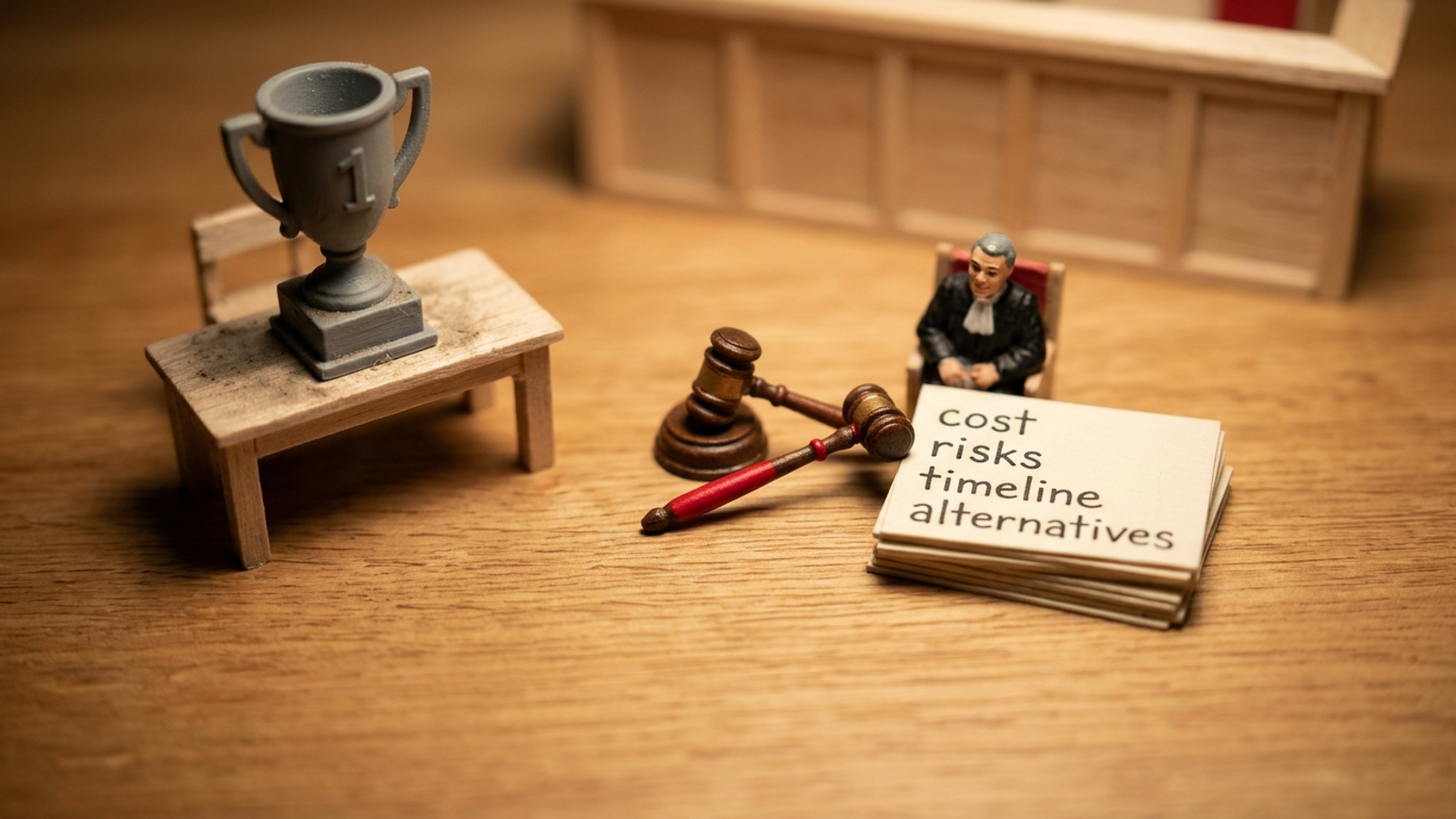
Before you sign an AEO retainer or assume citations will take care of themselves, audit five pages that already rank. Pull the buyer prompts those pages should address: cost, timeline, fit, risks and alternatives. Ask them in Google where an Overview appears, and in ChatGPT or Perplexity. You are looking for two observable outcomes: was your page cited, and was your business named?
- Check the floor. Is each page indexed and fetchable? Can a visitor read a clear answer without a login wall or script-only text?
- Test the follow-ups. Use buyer questions, not only the head term. Record the AI Overview result where one appears, then check the prompt in ChatGPT or Perplexity.
- Mark what happened. For each answer, record cited and named, cited but unnamed, or not cited. Keep the prompt beside the result so the next person can repeat the check.
- Fix what the log shows. Address indexation first. Then add a quotable answer for questions your page misses. After that, examine the two or three third-party listings your buyers actually see.
If your pages are not cited anywhere and barely rank, your SEO foundation needs work. If a page is cited but your business is not named, inspect the passage and how clearly it identifies you. A missing citation alone cannot tell you exactly why you lost it, but five pages’ worth of prompts can show you where to investigate instead of letting a sales deck choose for you.
If the audit exposes three missing blocks across five pages, have your current team write them and skip the second retainer. If it exposes the same gaps across 50 pages plus review sites describing you incorrectly, you have an execution-volume problem, not a naming problem. That is the work groas runs continuously, with actions logged and a human responsible for the outcome. Either way, buy the fix the audit supports, not the label on the pitch deck.