

 LinkedIn
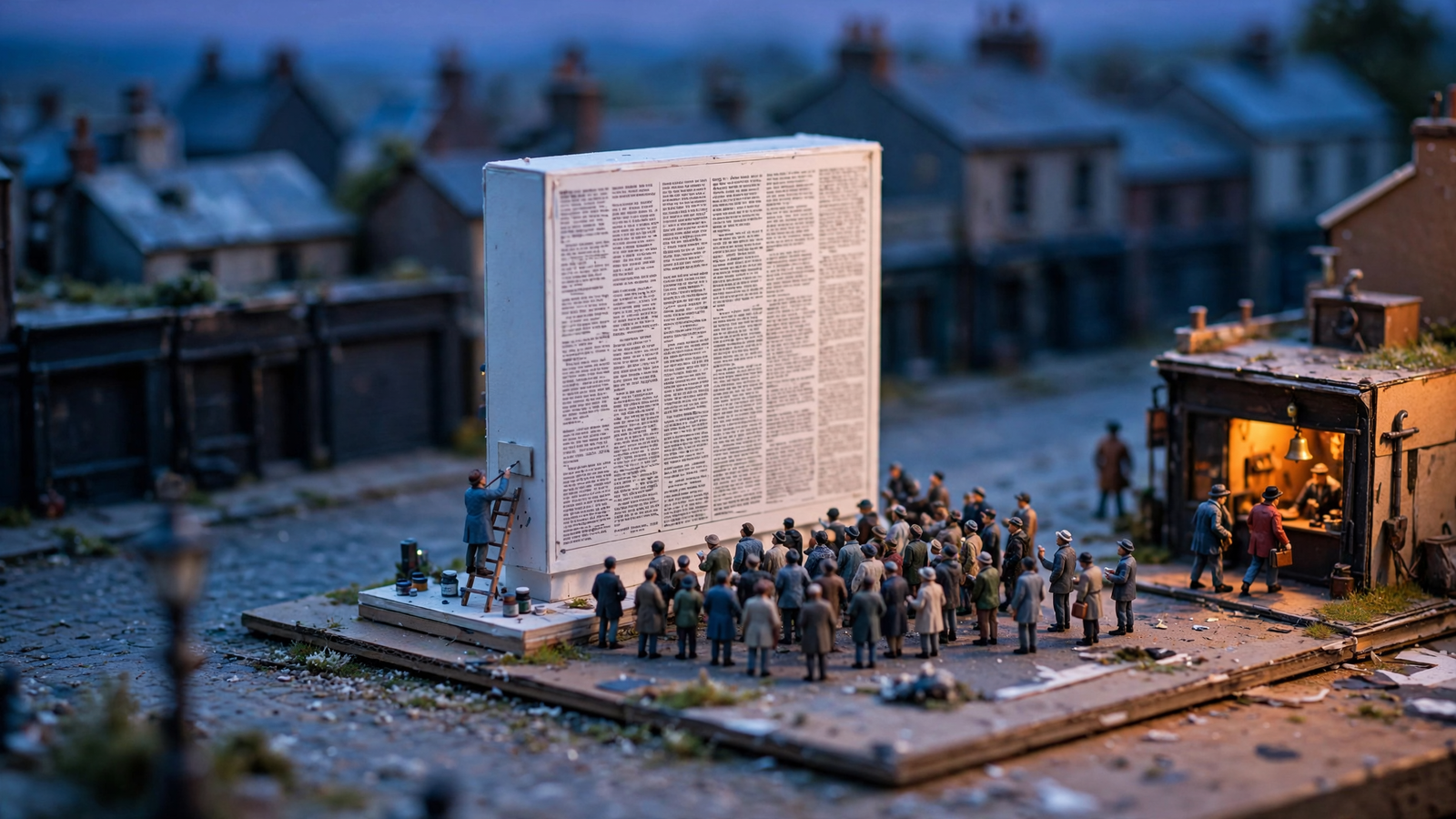
The Search Console chart is familiar by now: impressions flat or up, clicks down 30 to 40%, and someone asking if SEO is dead. It is not dead. It got summarized. The question is what to fight for next: the click or the citation? Smart people disagree because commercial searches can still send buyers to a site, while informational searches may put the answer, and the brands behind it, inside an AI Overview before anyone visits a page.
In the first randomized test of AI Overviews, showing the box cut outbound organic clicks 39.8% and pushed zero-click searches up 34.5%. Ahrefs re-ran it bigger and found the top-ranking page CTR was 58% lower when an Overview was present. One camp says move the work to queries an answer cannot finish and win the visit back. The other says the informational click is gone, so become the source the answer quotes. Both think the other is lighting money on fire.
I have run both plays. I judge them the way I judge paid search: by what reaches the CRM. Sessions do not pay invoices. Enquiries do. That rule decides this debate, but each side deserves its best argument first.
Position A: Put the next SEO dollar where buyers still click
Forget recovering the old blog traffic. The advocate for the click says your next SEO dollar should go where an answer box cannot close the deal: queries with a wallet behind them. I used to tell clients to build a big informational moat and trust the commercial pages to float on the authority. I was wrong. Google can now summarize much of what that moat was built to explain.
The mechanism is intent. About 95% of keywords that trigger Overviews carry little or no commercial intent, and in one cut 99.2% of Overview-triggering keywords are informational. Queries with buy, compare, price or near me still give a buyer a reason to visit: pick a plumber, book a demo, check stock. AI can summarize how does a heat pump work. It cannot unblock your drain on Tuesday.
That changes what a useful page has to do. A commercial page should help someone make the decision the summary cannot make for them. Pricing, availability, photos of actual work and reviews with names attached give the visit a job. A broad explainer that repeats the question before getting to the answer has a harder time making the same case. If the goal is an enquiry, the click advocate would rather improve the page where a buyer is ready to act than chase a larger session count upstream.
Position A calls the citation a consolation prize. Pew watched 900 Americans do 68,879 searches and found users clicked a traditional result on 8% of visits with an AI summary versus 15% without. They clicked a link inside the summary only 1% of the time. One percent. A citation without a click pays nothing unless the buyer remembers the brand and comes back. That is possible, but it is harder to defend in a budget meeting than a call or a booked job.
The click-side rule: move the work to commercial, local and comparison intent, then count visits that become enquiries. Do not call a recovered click a win just because it makes the traffic chart look less embarrassing.
Position B: Become the source the answer quotes
The advocate for the citation looks at the same chart and says you are mourning traffic that was never going to buy from you. Seer Interactive tracked 3,119 informational queries across 42 sites and watched organic CTR on Overview queries fall 61%, from 1.76% to 0.61%. Paid CTR on those same queries fell 68%. Reddit felt the shift in cash terms: search referrals down by more than 1M per week on average in October, with US logged-out users sliding from 30.1M to 27.3M.
That click is not coming back because you wrote a better intro. Google now answers the question above a box that averages 1,200 pixels tall against a 900-pixel viewport. Your blue link starts below the fold. If buyers are going to get the answer there, the citation advocate wants your name attached to it. The aim is not to pretend a mention is a sale. It is to be present while the buyer forms a shortlist, then make the later branded or commercial visit count.
There is evidence for that bet. Brands cited inside the Overview earned 35% higher organic CTR and 91% higher paid CTR than non-cited brands on the same queries. Ranking does not get you there on its own. Only about 17% of cited sources also rank in the organic top 10, which means roughly five of six citations come from outside page one. Pages that rank for the main query plus the fan-out sub-query are 161% more likely to be cited.
So Position B would make informational pages easy to extract rather than merely longer. Put a 40 to 60 word direct answer under a question-led H2. Use a table where a comparison helps. Give the reader a dated source or proof point instead of another paragraph announcing that the topic is important. Google itself says there are no additional requirements to appear in AI Overviews: no special schema or file. The page still has to be indexed and extractable.
The citation-side rule: answer the question clearly enough to be quoted, then look for the branded and commercial follow-up. If the Overview is where the reader stops, at least make sure your brand is part of what they read.
The weakness each side has to admit
Click recovery has an honest math problem. Commercial and local queries convert better, but there are fewer of them. If you abandon 200 informational posts that each drove 500 visits a month, you cannot replace that volume with 10 comparison pages, even if those 10 pages close deals. I learned this on ecommerce accounts where we cut the blog and watched assisted conversions sag two months later. The buyer who reads an explainer in March may become the best commercial plumber near me search in May. Shrink the research side too far and paid search has to buy back the awareness you deleted. Click recovery protects revenue per visit, but it can narrow the top of the funnel.
Citation chasing has the opposite problem: real work, fuzzy payback. You rewrite 40 pages into extractable answers, win citations on 12 prompts, and Search Console still shows flat clicks because the user got the answer in the box. I have sat in that reporting call. The traffic graph says you failed while the brand may have done its job. Unless you compare cited and non-cited CTR on the same queries, or watch branded search and direct enquiries move, you have no number to defend the budget. Citation work without that measurement gets cut first. A citation is not a business result until you can connect it to what buyers do next.
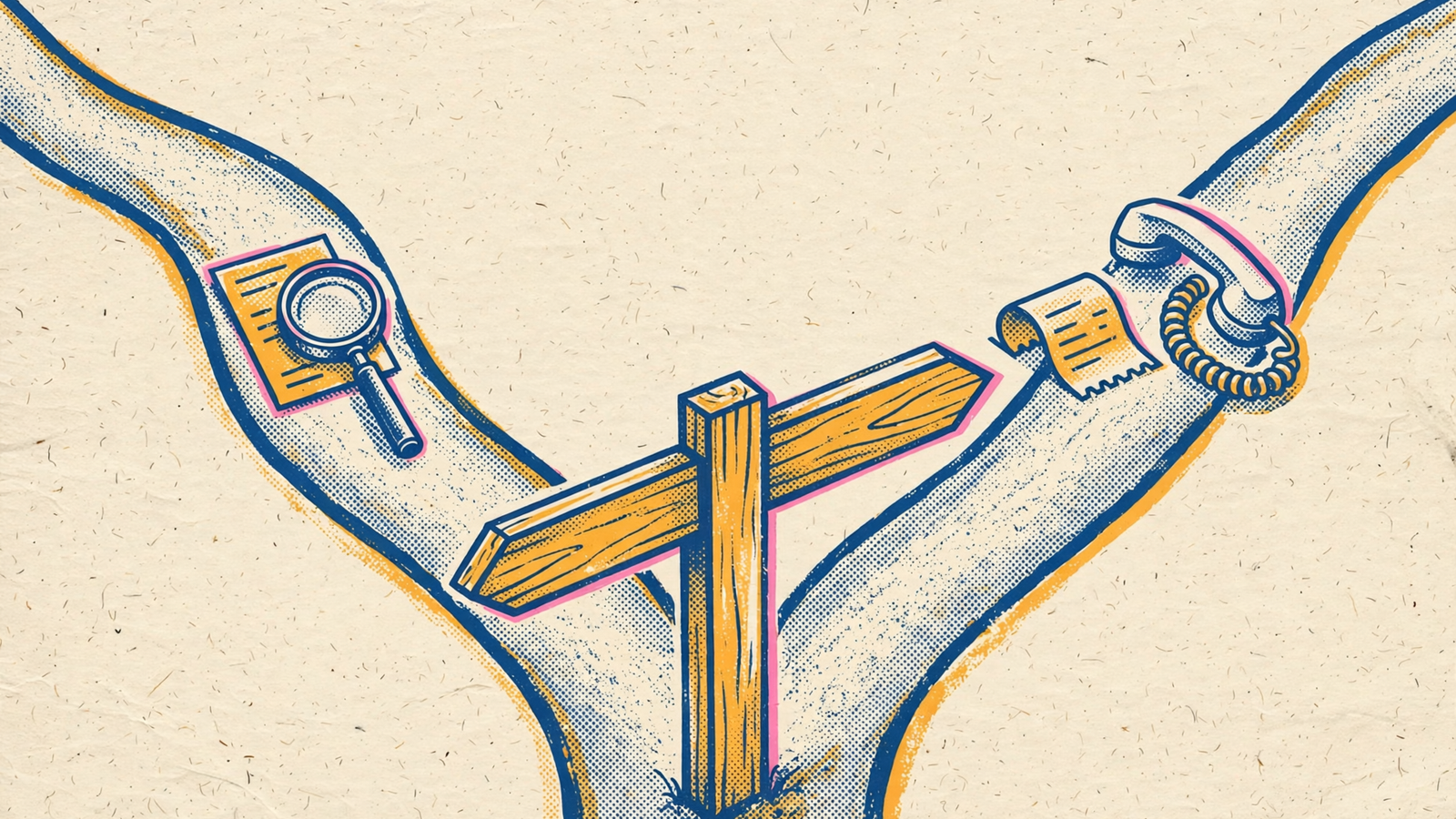
My verdict: split the fight by intent
My ruling is this: fight for the citation on informational queries and fight for the click on commercial ones. The deciding consideration is what reaches the CRM. Informational clicks rarely reached it even before Overviews. Commercial clicks still do. So stop spending to recover visits that never bought, and stop ignoring citations on the queries that shape the shortlist. I run this split on accounts that lost traffic, and it is the version that survives contact with the enquiry log.
In practice, that means two backlogs, not one:
- Informational queries: Take your top 20 prompts and make the relevant pages quotable: a direct answer, a useful table and a dated proof point. That is the unglamorous work described in SEO vs. AEO: what actually gets a page cited. Track citations and what happens after the brand appears.
- Commercial, local and comparison queries: Build the page that earns the visit. Use current pricing, availability, photos of actual work and reviews with names attached. Track the calls, forms and booked jobs it produces.
The split is not a promise that every informational page will be cited or every commercial page will convert. It is a way to give each page the right job, then decide whether that job brings buyers closer. A single organic-traffic target cannot tell you that.
Replace the traffic chart with two useful reports
Sessions lied to you before AI Overviews, and they lie louder now. A page can lose half its clicks and still feed the CRM if the clicks it keeps carry intent. I sort pages that dropped into two piles in Search Console, informational and commercial. Then I stop judging the first pile by sessions alone. For that pile I track citations won, branded searches in the weeks after and assisted enquiries. For the second, I track calls, forms and booked work.
If you need a starting routine, run the 20-prompt test for AI visibility before you rewrite anything. You need to know which prompts already surface your pages and which ones actually carry buyers. Otherwise, it is easy to spend the quarter making pages more quotable without knowing whether the resulting attention matters.
- Tag each losing URL as informational or commercial in your tracker, and give each pile its own target.
- For informational pages, compare organic CTR when you are cited with CTR on the same query when you are not. Watch the branded-search trend too.
- For commercial pages, tie the URL to the enquiry in your CRM, not just its session count. Keep paid and organic on the same conversion action.
- Kill the single traffic chart in the client report. Replace it with two lines: citations and assisted brand touches on one side, enquiries from commercial pages on the other.
This split also clears up the paid side. I hear weekly that AI Overviews killed Google Ads CTR, and often the account gives me more immediate suspects: loose match, weak negatives, assets nobody reviewed. That is the full argument in the real culprits behind falling CTR. Overviews cluster on informational queries while the commercial campaigns are trying to reach buyers closer to a decision. If commercial CTR fell, check the account structure before blaming the box above it. Diagnose the query and the conversion action before you diagnose the chart.
Who should ignore my verdict
This split will not work for everyone. If you sell attention itself, as an ad-supported publisher paid per pageview, a citation is not a substitute for the visit. The pageview is the product. Fight for the click with original data, tools, paywalled depth or email capture: something a summary cannot replace.
A brand-new site with no commercial footprint should also put the click first. It has no commercial pages to defend and no authority to be cited. Build five pages that can rank for near me and comparison terms before rewriting 50 explainers for a box likely to quote someone older. That is not an argument against citations forever. It is an argument for doing the work in an order the business can afford.
For everyone else with a service, a product or a sales team, I check the split against one question: does this page exist to be read, or does it exist to be acted on? Read pages fight for the citation. Action pages fight for the click. Say you are spending $20k a month and your blog still gets the bigger budget than your booking pages. You have the ratio backward. groas runs that split as done-for-you SEO and AI Search work, with citations and commercial pages on the same backlog and enquiries rather than sessions as the test. That is why I trust it for teams that cannot staff both jobs every day.
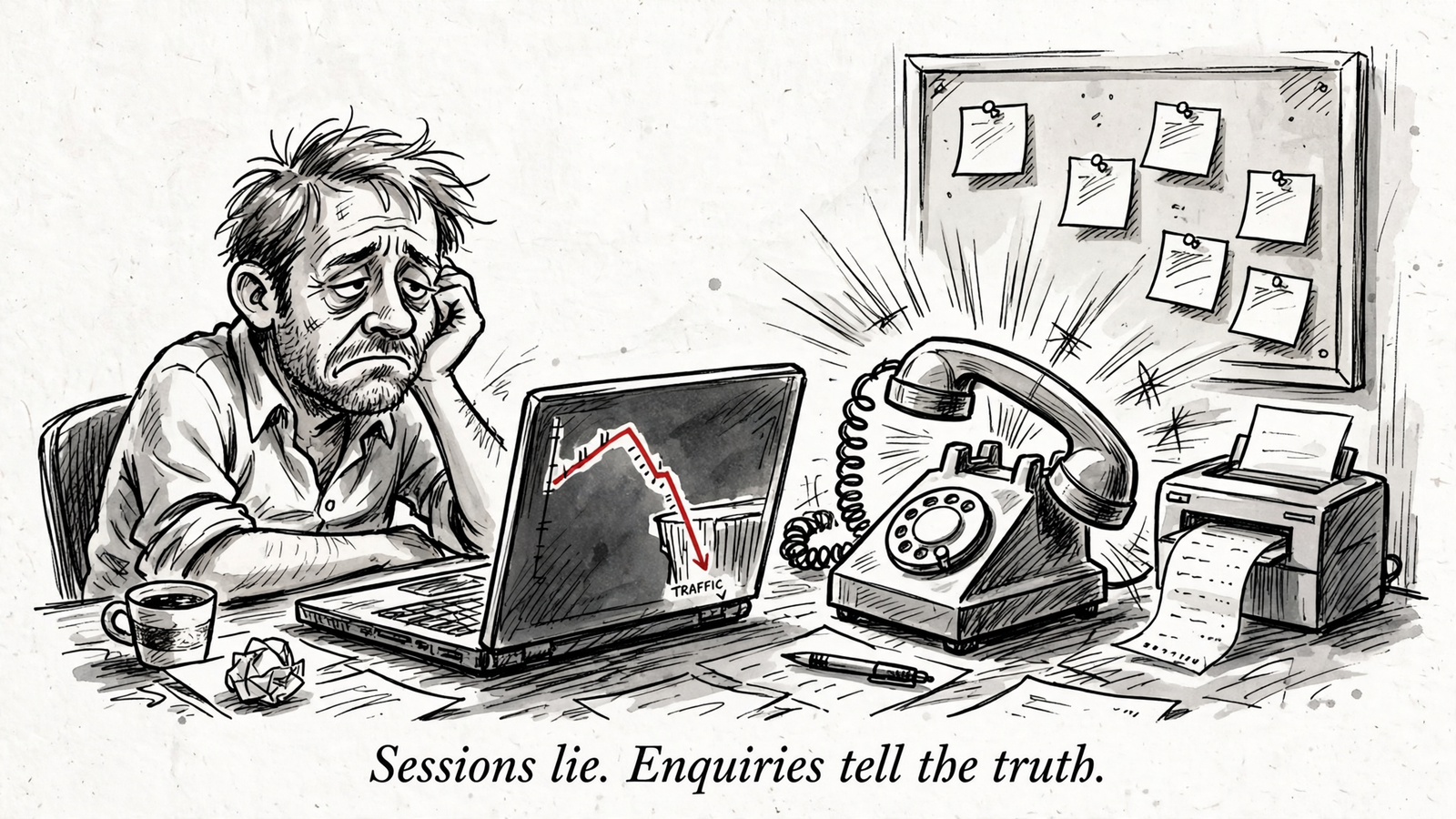
The traffic chart on your screen is not coming back in its old shape. Your choice is narrower and more useful than recovery: own the answer where buyers research, and own the visit where buyers decide. Informational intent gets structure, direct answers and fan-out coverage so the Overview can quote you. Commercial intent gets proof, availability and a path to contact so the click has a reason to happen. Both get measured against the enquiry log. Stop buying sessions. Win citations that shape the shortlist and clicks that reach the inbox.
If you want a place to start Monday, pull your last 90 days of Search Console, sort the losing pages by intent and pick ten from each pile. Rewrite the ten informational pages for extraction first; that work is cheap and fast to test. Then put the real budget into the ten commercial pages: add current pricing, real photos, service areas and one proof point per page that a summary cannot copy. Track both piles for 30 days against enquiries, not sessions. That report will tell you more than any visibility score.