

 LinkedIn

The fact behind the floating-node demo
Your client’s website says it serves Denver. Its directory listing says Colorado Springs. An answer engine looking for a Denver contractor now has two versions of the same business to sort out. That is the problem knowledge graph management is supposed to solve.
In AEO demos, it often looks more mysterious. A sales rep opens a slide filled with glowing nodes, labels it a Proprietary Knowledge Graph Engine, and starts talking about ontologies. I have seen versions of that slide in paid search and SEO for years. The colors change; the sales move does not. If you want the longer tour of those moves, read the AEO sales deck that promises to get your client cited.
The useful work is plainer: establish one accurate set of facts about a business, make those facts readable on its site, and correct the places elsewhere that tell a different story. Then keep the records aligned when the business changes. A diagram may help you see the relationships. It does not, by itself, change a page or a listing an engine can encounter.
I would start with one question before paying for the diagram: which facts will this tool put in front of an engine, and where? Everything else follows from that.
Step 1: Give the engine one business to recognize
An entity is a business attached to facts
Consider a hypothetical client, Apex Commercial Mechanical, a regional contractor specializing in industrial heating and refrigeration around Denver. A person reading its site can often infer what Apex does despite a few loose phrases. A system trying to identify Apex across a site, a company profile and a trade directory has a harder job. It must work out which references point to the same business and which claims describe it now.
One way to express a relationship is as a subject, predicate and object: Apex Commercial Mechanical → operatesIn → Denver, Colorado. That structure is often called a triple. The term is useful because it forces a practical question: what exactly are we claiming about Apex? Its name, category, services, location and other defining details are not interchangeable marketing copy. They are facts a system may try to connect.
That does not mean every answer engine stores every sentence as a neat triple or follows one published confidence formula. It means that clear relationships are easier to reconcile than a pile of inconsistent descriptions. Entity SEO engineering research is useful background on the identity problem; for an agency, the immediate task is less academic. Write down what Apex actually does and where it actually operates before asking software to represent either fact.
A conflicting record gives the engine another story
Now suppose Apex’s home page says it serves greater Denver. An old business filing carries a Colorado Springs address. Its LinkedIn profile claims coverage across Wyoming, and a trade directory calls it “Apex Mechanical Corp.” A property manager asks an answer engine for emergency industrial refrigeration help in Denver. Which records describe the contractor today? Does the directory entry even refer to the same company?
Those questions are what entity disambiguation is about. Context, names, site content, structured data and external references can all help an engine connect records. Conflicts make that work harder. They do not trigger a universal rule under which six bad listings cancel eight good ones and Apex automatically disappears; different systems can handle the evidence differently.
The agency cannot command an engine to cite Apex. It can remove avoidable ambiguity. Confirm the current business name and service area, correct records it controls, and distinguish an old address from a current location. The first deliverable is an agreed set of facts, not a node count.
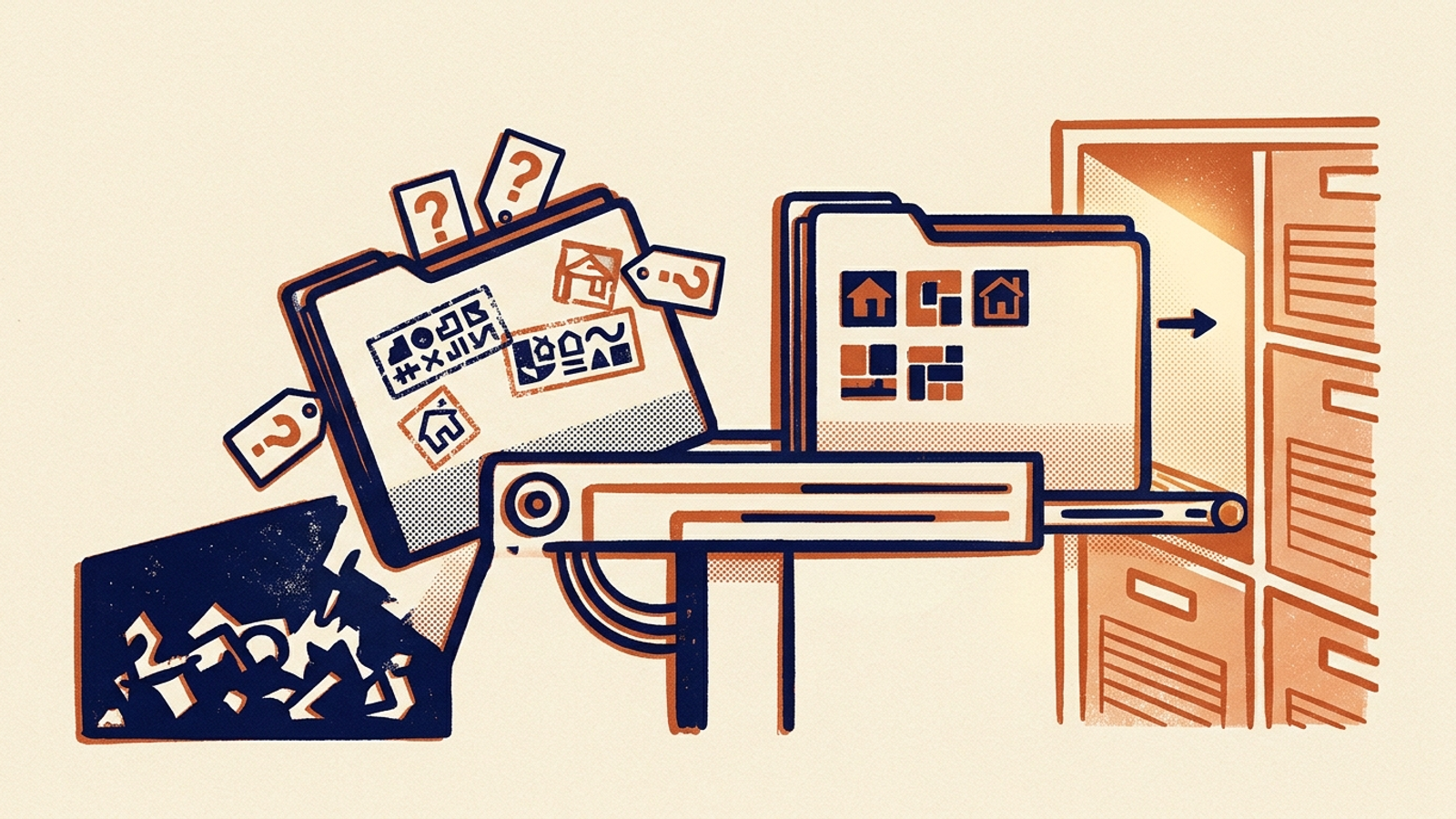
Step 2: Use structured data to state those facts clearly
Schema makes a claim readable; it does not prove it
Once Apex agrees on its facts, the site needs to express them plainly. Visible copy does part of that work. Structured data can express the relationships in a format built for machines: this is the business, this is its location, and these are the services described on the page. A JSON-LD block can help an engine interpret those claims.
It cannot make them true. If Apex marks up 24-hour commercial chiller repair while the page says only that the office takes weekday calls, the site has introduced a contradiction on its own URL. If a profile elsewhere describes a different business, valid JSON-LD will not settle the identity question by decree. Schema is a statement from the site, not a certificate issued by an engine.
This is why I resist the pitch that a long schema template is the same thing as knowledge graph management. It is one way to publish entity facts. The management part is deciding which facts are accurate, putting them on the relevant pages, and noticing when reality changes. A useful technical discussion can begin with how entity records are structured and reconciled, but the agency still has to answer the less glamorous question: does the markup match the business a customer would find?
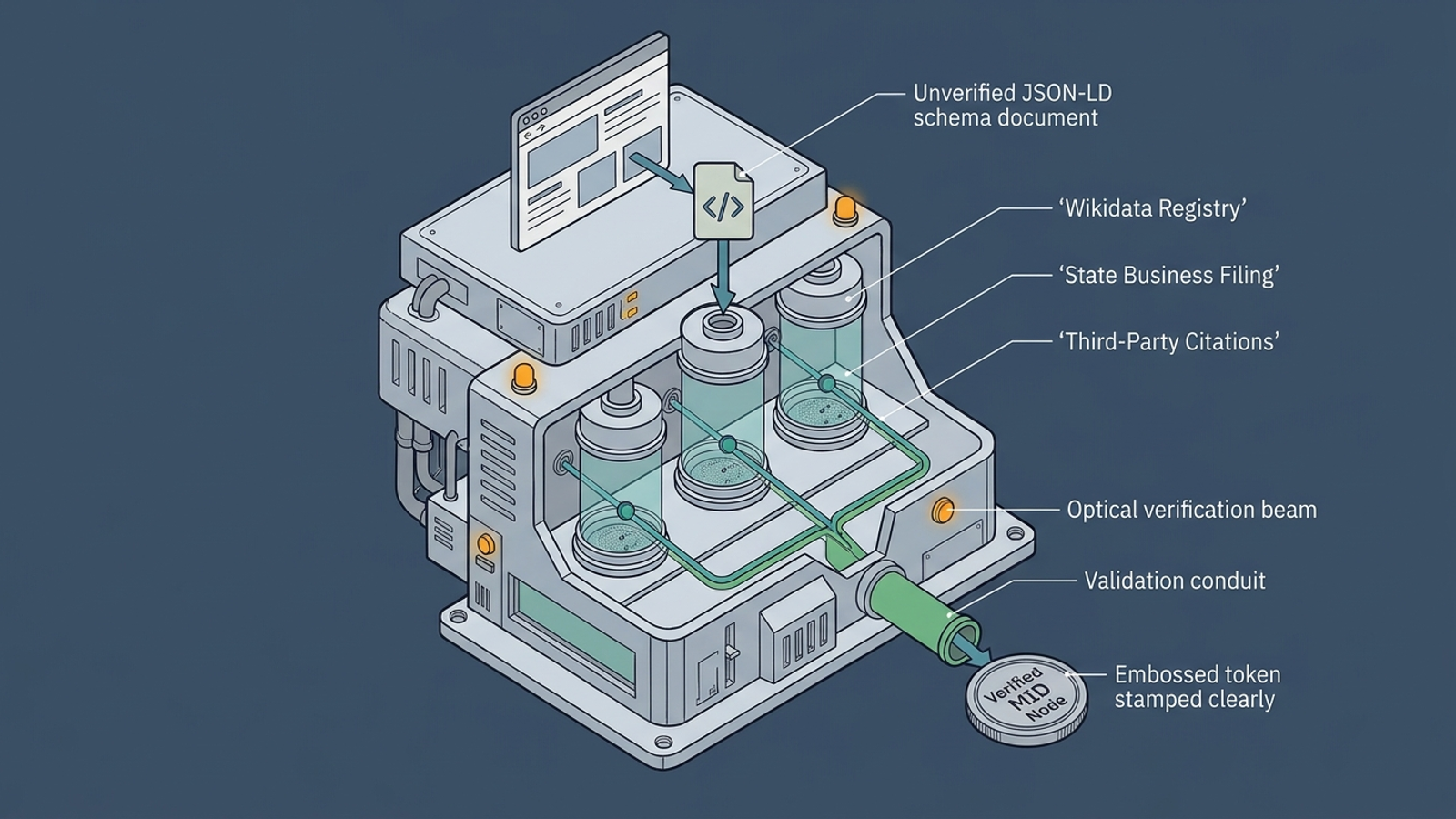
More markup cannot repair a wrong location
Apex does not need a sprawling block of attributes merely because a platform can generate one. Say its schema lists 15 branches, while the business can substantiate only three operating locations. Adding more properties gives the conflicting claim more places to appear. It does not make the other 12 branches real.
External identifiers can help with identity when they point to genuine profiles for the same business. A sameAs link is useful only if the linked record actually represents Apex; a collection of stale or unrelated profiles is not a shortcut to authority. The principle is simple: publish the smallest accurate story you can keep accurate. The site, its structured data and its relevant external records should describe the same business.
This is also where the phrase knowledge graph management earns its keep. It is not a one-time markup upload. If Apex drops a service or changes its name, someone must update the connected claims. A graph that still describes last quarter’s company is a tidy picture of the wrong thing.
Step 3: Get the corrected facts onto the live site
A dashboard cannot publish a fix by itself
I know the audit-to-ticket gap from search work. You identify the bad URL, the obsolete copy or the broken tracking parameter. The finding is sound. Then it waits in a development queue while everyone moves on to the next report. AEO has the same failure mode: the tool identifies a conflict, but nothing changes where an engine can read it.
That distinction matters more than the sophistication of the visualization. A vendor may show Apex’s services, locations and profiles as an elegant network. Fine. But if the corrected description lives only inside that vendor’s interface, it has not corrected Apex’s site. The work is not finished when the graph looks right; it is finished when the approved facts are live.

The next problem is schema drift. Imagine Apex’s marketing team changes the visible page to remove an emergency service, while a static JSON-LD block still lists it. Now the same page offers two accounts of the business. Schema maintenance guidance addresses the general maintenance problem, but an agency still needs an operating answer: who catches the mismatch, who approves the correction, and who publishes it?
Publishing closes the gap; approval keeps it honest
This is where I separate diagnostic software from an execution workflow. A diagnostic tool can identify an entity gap and hand the agency a recommendation. An execution workflow can carry an approved correction into the client’s CMS, update the relevant page and markup, and make it possible to check what went live. The distinction between tracking and delivery in white-label AEO is worth keeping in mind during a demo.
Suppose Apex genuinely begins offering commercial chiller installation in five new suburban zip codes. A useful system should help the agency verify that offer, identify the pages that need changing, publish appropriate content and structured data through the client’s publishing process, and check that the live versions agree. It should not invent five branches, copy a location template across town, or publish a service page because it spotted a keyword gap. Our breakdown of knowledge graphs and CMS publishing goes deeper on the delivery layer.
Direct publishing reduces the distance between finding and fix. It does not replace the decision about whether the fact is true. The agency needs both a reliable source of truth and a reliable path to the live page.
Step 4: Test the model on a case the demo avoids
Apex opens a new market
Let’s give Apex a harder case. It plans to serve an adjacent municipal market, but its team has not yet settled whether that means a staffed location, a wider service area or simply a new campaign. A graph tool could draw a child node labeled with the new city in seconds. Should the agency publish it?
Start with the fact, not the node. If Apex serves the city from its existing operation, the site can describe the expanded service area without claiming a new office. If it has opened a staffed location, the agency can check the address, contact details and relevant records before publishing a location page. If the plan is still a plan, neither claim belongs on a live page as an established fact.
This is the same reasoning we used for Denver, applied to a new case:
- Define the actual change. Is it a service, a service area, a location or merely an intention?
- Check the existing records. Which site pages and external profiles currently describe Apex, and which will become outdated?
- Publish the approved claim. Make the visible page and structured data agree, then update records the business controls.
- Check the live result. Confirm that the published version says what Apex approved and does not create a second, contradictory story.
A rebrand or offer change follows the same pattern, though the records to update will differ. The agency first establishes what the business is now, then traces where the old description still appears. Turning graph software into client revenue depends on getting through that operational work, not merely displaying it. If the vendor can draw the new node but cannot help ship the accurate change, the agency still owns the hard part.
What to ask before you white-label the graph
Three questions that separate execution from diagrams
When a sales engineer spins a visual model on a shared screen, I would stop the tour and ask:
- “Where does the approved correction live after this demo?” If the answer is a downloadable snippet, an export or a ticket for the client’s developer, price in the work your team must still do. Ask to see the change on a live page, not just in the vendor’s dashboard.
- “What happens when the client edits the page next month?” The vendor should be able to explain how it detects a mismatch between visible copy and structured data, how someone reviews it, and how the correction reaches the site. Otherwise, today’s clean graph is tomorrow’s drift.
- “How do we know the work mattered?” Ask what changes are logged and how the vendor connects the published work to search visibility and commercial outcomes. A diagram is evidence that the tool can draw relationships. It is not evidence that Apex won a qualified buyer.
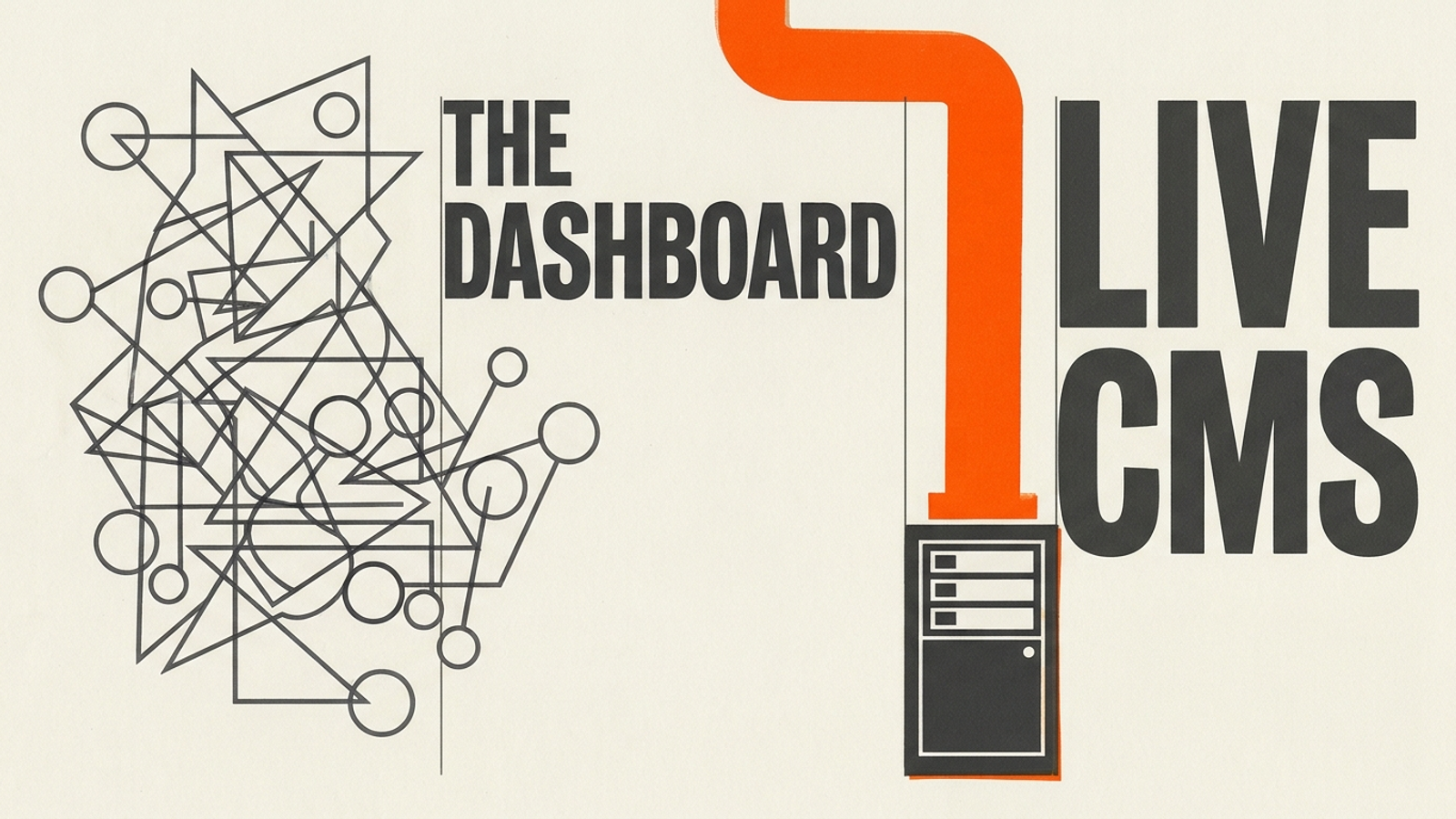
Agency margins do not suffer from a shortage of observations. They suffer when every observation becomes another manual ticket. That is why I favor groas’s white-label delivery for agencies over a dashboard-only operating model: autonomous search execution, action logs and a human strategist responsible for direction and guardrails are a better fit for work that must keep moving after the audit ends. The test for any proposed CMS or entity workflow remains the same: ask to see exactly what it can approve, publish and maintain for the client.
Next time the demo opens with a floating constellation of nodes, appreciate the graphic design. Then give the rep Apex’s new-market case. Ask what they would verify, what they would change on the live site, and what would happen when Apex changes its mind. If the answer stops at a prettier map, close the tab. You need the facts to ship.