LinkedIn

Three ROAS numbers in a screenshot aren’t a case for moving $10,000 to whichever of Google, Bing, or Meta comes out on top. Before I sign off, I want Claude to show me how much of that performance gap is left once it accounts for attribution, conversion lag, and recent bidding changes. Start with Claude through groas and give it one instruction: “Build the case for reallocating budget across our connected Google, Microsoft, and Meta accounts. Read and propose only; make no changes.” groas gives Claude the ability to act. I want that after approval, not while Claude is still working out whether the numbers belong in the same table. Run these checks in order. A failure in the first six can take the transfer off the table before you even get to the amount. No evidence brief, no budget transfer.
Checks 1–3: Make sure the numbers answer the same question
- 1. Name the business outcome the transfer should improve, and by when.
- “Improve ROAS” doesn’t count. That’s a platform ratio, not the result you’re paying for. Specify qualified pipeline, closed-won revenue, booked jobs, or contribution after returns. Where you have a dollar value for the outcome, put it in the brief.
- Tell Claude what counts as success before it pulls the numbers. If the job is to buy qualified leads, a form fill isn’t enough. If the job is to improve contribution after returns, view-through credit isn’t the outcome. Put the business outcome at the top of the brief, not in a note under the platform metrics. Use that same outcome when you review the transfer. Otherwise, you can approve the move on qualified pipeline and end up calling it a win on form fills.
- 2. Make every number traceable to an account, a campaign scope, and a reporting period.
- Ask for one table with account IDs, campaign scope, currencies, time zones, reporting dates, and missing data. A campaign labeled Brand in one account doesn’t necessarily cover the same traffic as Brand in another. Identical date labels don’t guarantee identical reporting periods if the accounts use different time zones.
- Put the conversion action behind each number in that same table. Cross-platform reporting can group and count events differently, so a total without its scope can look more comparable than it is. Make Claude mark gaps rather than leave you to guess whether a blank means zero or unavailable. If Claude can’t trace a number to an account and date range, strike it from the comparison.
- 3. Check that a conversion means the same thing in each column.
- For each channel, ask Claude what counts as one conversion, which actions are primary, what’s excluded, and which outcomes the connected data can’t verify. Google’s Conversions and All conv. columns can cover different actions: Conversions counts primary actions and can include modeled conversions; All conv. can also include secondary and view-through actions. For Meta, check the setting at the ad-set level.
- Look for proxy events and duplicate tracking before you call the gap a difference in performance. If Meta is optimizing for
purchaseand Google is reporting leads and purchases together, I don’t have a like-for-like comparison. I have two different businesses in one screenshot. Imported or duplicated events can inflate the numbers, too. Use the worked example of duplicate conversions inflating Google Ads ROAS while revenue stayed flat as a template for what to inspect. If the data can’t verify the outcome from check 1, say so in the brief rather than quietly substituting the event you can count.
Checks 4–6: Separate overlapping credit from performance and wait for mature data
- 4. Keep attributed revenue separate from incremental revenue.
- Ask Claude to show each channel’s attribution window and credit rule. One customer can see a Meta ad on Tuesday, click a Google ad on Thursday, and buy once. Both platforms can claim the sale. Add their reported revenue together and you’ve counted one order twice. A tidy total is still the wrong total.
- Compare the platform numbers with one shared revenue source and a break-even point. Use order or CRM revenue where you have it, even if it’s less flattering. If Claude can’t reconcile the figures to that source, put the gap in the brief itself. Don’t bury it under the table.
- Keep two questions separate: “How much revenue did the platform claim?” and “What revenue would we lose if we cut its budget?” The order record can confirm that the customer bought once. It can’t tell you whether that customer would still have searched on Thursday without seeing the ad on Tuesday. A shared source helps sort out overlapping credit. It doesn’t tell you what would have happened without the ads. Don’t let Claude use the answer to the first question as proof of the second.
- 5. Compare mature conversion periods, not just matching dates.
- Have Claude label which dates are mature and which are still partial, using your own conversion history for each type of outcome. The most recent seven days can look weak on a channel with a long sales cycle while a faster signal makes another channel look strong. Same dates, different amounts of the result in view.
- Make the brief show which dates support the recommendation. Keep the partial dates visible and labeled, but ask Claude whether it would still propose the same move without them. If the case for cutting a channel rests on conversions that haven’t had time to come in, wait. The latest figures can be worth reading without being ready to sign on.
- 6. Mark Microsoft’s bidding changes before interpreting Bing results.
- Read Microsoft’s November 18 bidding guidance before evaluating results after major changes. It points to ideally 30 conversions in 30 days and one to two conversion cycles after major changes. The November 23 follow-up says the rollout began in summer, not on a single November 18 go-live, and cites 30 conversions in 30 days or two to three conversion cycles. State which guidance you’re using instead of blending the two into a single rule.
- Keep the platform rollout separate from any recent change to your own bidding. Put the account change and its date next to the results Claude wants to use. Ask whether enough time has passed to judge the change, rather than reading a period that straddles it as though nothing happened. The reported 10% improvement is Microsoft’s internal test result, not your forecast. A bidding change isn’t a case for adding or cutting budget. It’s a reason to wait until the results are ready to read.
Checks 7–9: Test the destination, price the downside, and sign the exact move
- 7. Check what the receiving campaign can buy with the next dollar.
- Ask Claude to show delivery status, whether the campaign is limited by budget or demand, and what happened the last time its budget went up. A low average CPA can mean the campaign is already picking up the cheapest, most qualified demand. That average tells me what we paid for the conversions we already bought. It doesn’t tell me what the next ones will cost.
- If you add 30% to the budget, the campaign may have to reach the next tier of searchers, broader audiences, or new placements to spend it. That’s where marginal CPA can rise even when the historical average still looks good. Make Claude justify the proposed amount, not just the direction of the move. A campaign can be the right place to try more spend without being the right place for the entire transfer. If there’s no evidence it can use the proposed amount at an acceptable cost, fix the destination first or leave the money where it is.
- 8. Put the downside case next to the upside case, with a spend ceiling.
- In the upside case, state what has to be true: the destination can spend the amount within the review period, marginal CPA stays within the stated range, and the source doesn’t lose profitable demand. Label those as assumptions, not results. A brief that only works if all three hold should say so where the person signing it can see it.
- In the downside case, show what happens if those assumptions fail, how much you could lose before review, and what signal would prove the move wrong. Set a spend ceiling for the test. The review date says when you’ll look. The ceiling says how much you’re willing to spend finding out. I want both on the page before money moves.
- Check the role of the channel losing budget. Meta can create demand that later searches on Google, so a lower platform ROAS doesn’t make it expendable. The risk in moving money to whichever channel wins the week is that you cut the channel feeding the winner. Make Claude test that possibility rather than assume every campaign does the same job. The destination’s CPA and the source’s role are separate checks. Passing one doesn’t excuse skipping the other.
- 9. Approve the exact transfer, then keep the record.
- Require a sign-off card with the source and destination identified by account and campaign ID, the exact amount and currency, a one-sentence rationale, the review date, and the signal that would trigger a reversal. “Move some budget to Google” isn’t an approval. The card should make clear which budget goes down, which goes up, and what stays put.
- Confirm Claude can execute the specific change through groas before you approve it. Read access doesn’t mean write access: Google’s own Ads MCP bridge, for instance, doesn’t support those budget changes. If a connected tool can’t make the proposed change, put that on the card. Read and propose is a valid outcome. An approval for a change nobody can make isn’t.
- Execute through groas only after approval. Then inspect the result in each platform and check the groas action log, where each change is recorded with its reason and can be undone. Keep autopilot off unless you separately decide to enable it. A sign-off on one transfer isn’t a sign-off on the next one. Use the review date and reversal signal on the card to decide whether the money stays.

The check people skip, and what it costs
- Before a large, permanent move, go back to check 4: test what the spend adds, not what the dashboard claims. End the brief with a test you can actually run, such as a holdout or geo split. The reconciliation tells you whether platforms are taking credit for the same order. The test is how you check whether pulling spend changes the business outcome. Judge it against the outcome you named in check 1, not the ROAS of the channel that gets the money. Don’t substitute one check for the other just because the reconciliation was easier to finish.
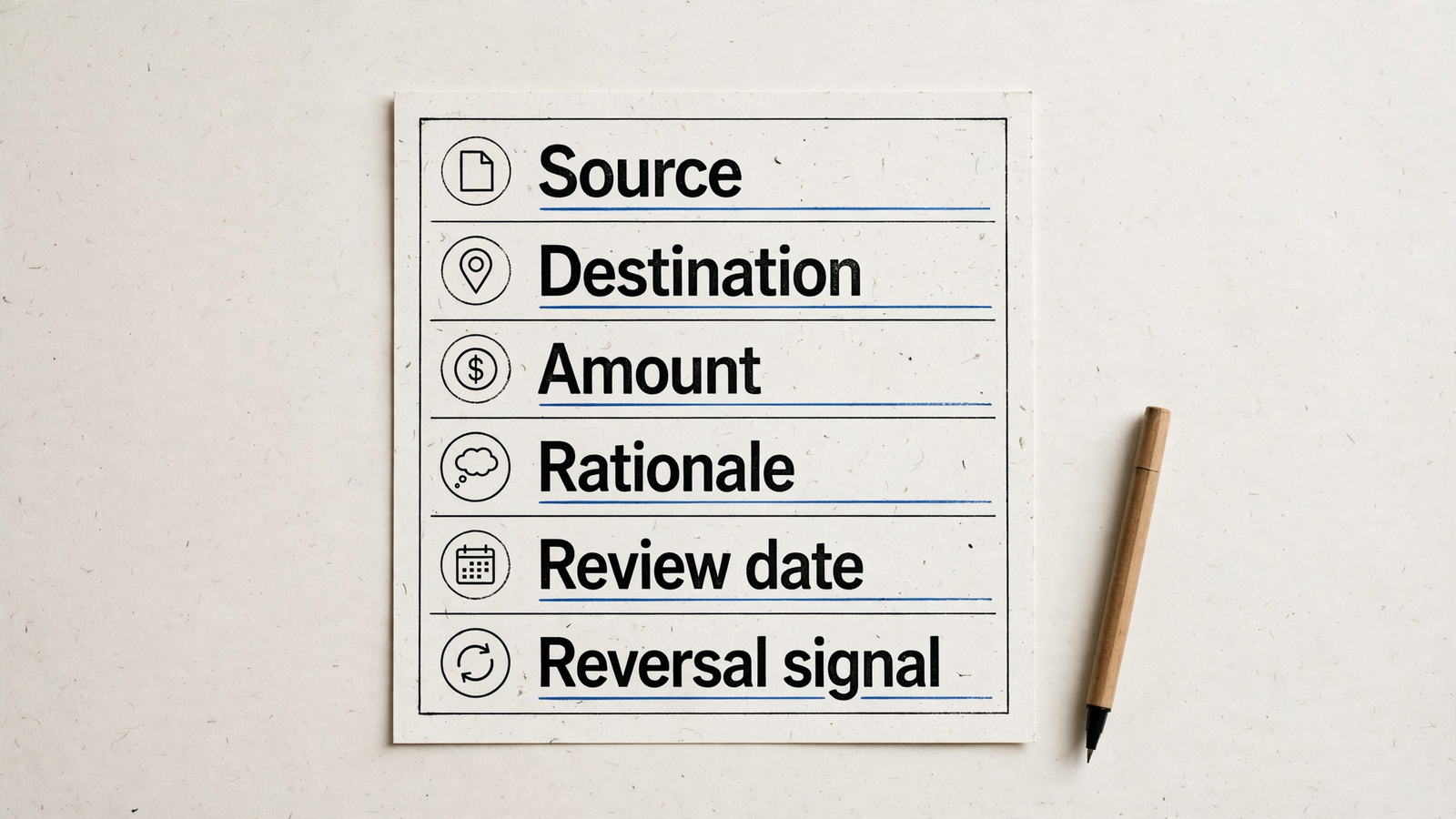
Connect the accounts once through groas, ask Claude to read and propose only, and keep the evidence brief with the card you sign. If the case depends on treating attributed revenue as incremental revenue, send it back. That’s the check I’m least willing to trade for a faster decision. As advertisers comparing Google and Meta have pointed out, cutting the channel that gets less credit can cost you sales the other channel would have closed. Skip check 4 and you can watch the winning platform’s ROAS climb while total profit falls. The dashboard calls that a win. I don’t sign it.