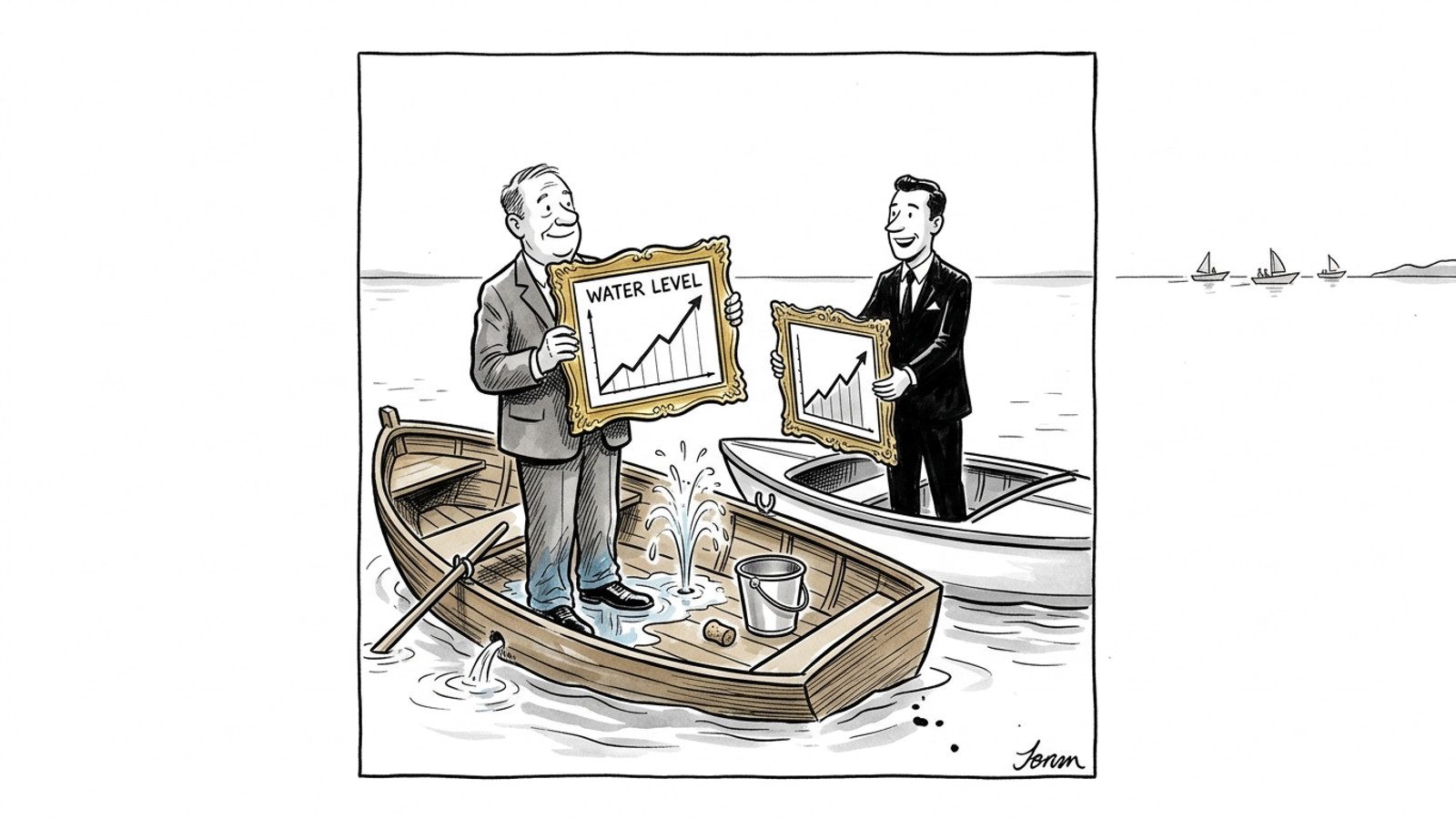
A page can rank first on Google and still be absent from the answer above it. That is the problem with most advice on getting cited in AI Overviews: it optimizes for a version of search that no longer decides who gets quoted.
The advice is familiar. Put a 40-word answer under an H2. Add an FAQ. Win position zero. Agencies still package those moves as an AEO strategy, though the mechanism that made them useful has changed. The current priority is to become a source the model can fetch, parse, and trust, not merely a page that ranks tenth for a broad keyword.
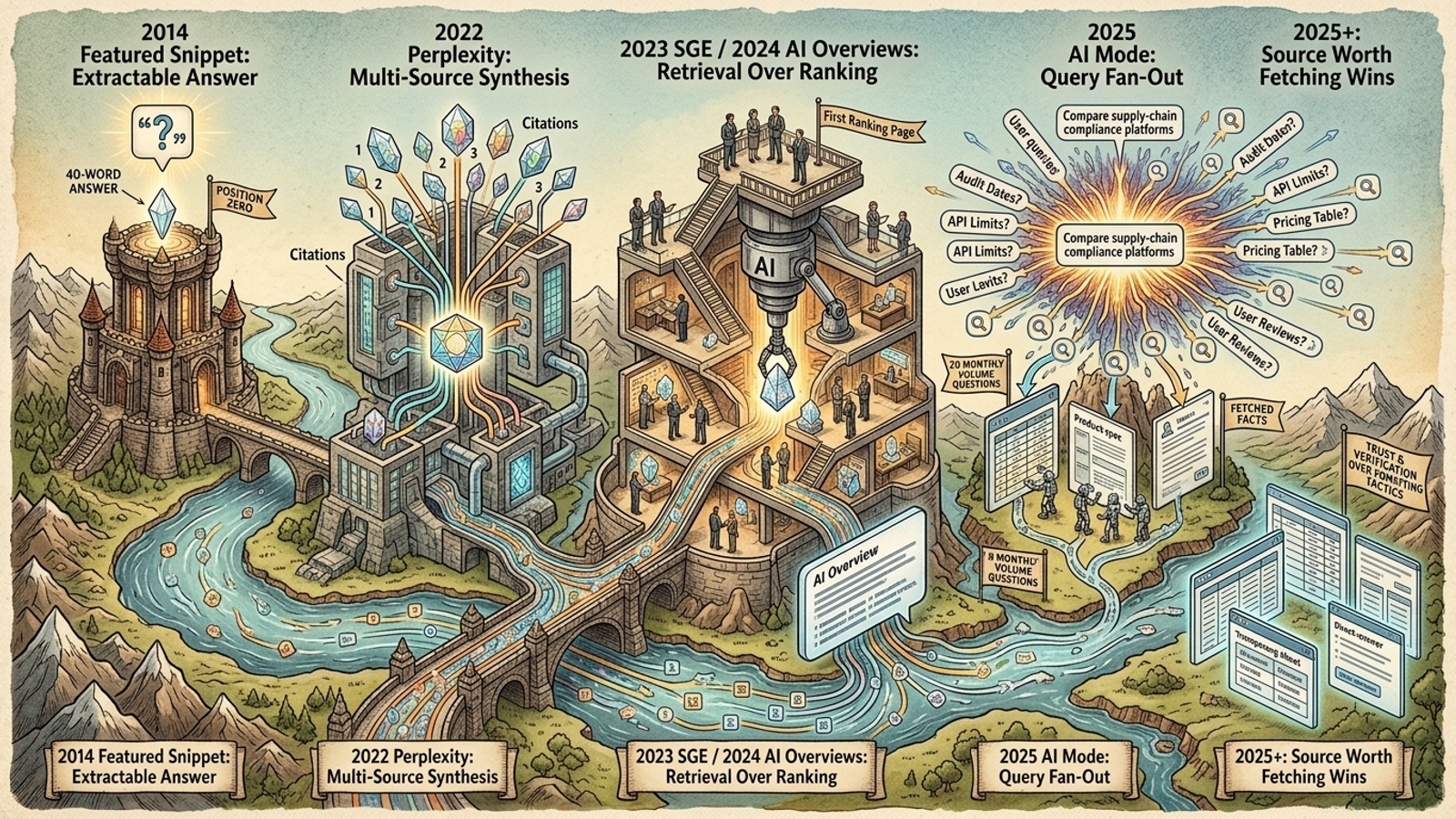
Read the dates in order. Each change altered what appeared at the top of search, how sources reached that space, and what practitioners had to do to earn it.
2014: Featured snippets reward the extractable answer
Google introduced featured snippets in 2014, giving search results a new prize above the standard organic listings. A snippet pulled a paragraph, list, or table from one page and displayed it as a direct answer. The job for an SEO was relatively clear: rank for a query that triggered a snippet, then make the relevant section easy to extract.
That is where the short answer block earned its reputation. Featured snippets rewarded concise answers beneath headings that closely matched the question. A clean paragraph of roughly 40 to 50 words could compete for the quote. The page still needed enough authority to rank well, but its formatting could help Google select the passage.
The tactic fit the machinery. Google was choosing one excerpt from one page. If you wanted the quote, you made that excerpt unmistakable. It was useful advice for that system; it was not a permanent law of search.
January 22, 2020: Position zero stops being a second listing
Before January 22, 2020, a URL could appear in both the featured snippet and the standard organic results on page one. Then Google deduplicated featured-snippet URLs. Winning the snippet no longer gave the same page two listings.
That sounds like a small layout change. For practitioners, it changed how a snippet win should be judged. The prize was still prominent, but visibility at the top was not automatically extra visibility. You had to consider what the snippet replaced, not just celebrate a position-zero report.
The larger lesson arrived early: the meaning of a ranking depends on what Google places around it. That dependence became harder to ignore when search started writing answers rather than extracting them.
December 7, 2022: Perplexity makes the answer multi-source
Perplexity launched its conversational search engine on December 7, 2022. Instead of presenting ten links or lifting one excerpt, it generated an answer supported by numbered citations. The interface offered readers a synthesis with clickable routes back to its sources.
That changed the source’s job. A page no longer had to supply the whole answer in a snippet-friendly paragraph. It could contribute a fact, a comparison, or a specification to an answer assembled from several places. The unit of competition was becoming the useful piece of evidence, not necessarily the best-positioned overview page.
Perplexity did not rewrite Google’s results overnight. It did, however, make the next question unavoidable for anyone buying or building search visibility: if an answer cites several sources, what makes yours one of them?
May 10, 2023: SGE breaks the ranking-to-quote shortcut
At Google I/O on May 10, 2023, Google announced Search Generative Experience (SGE) in Search Labs. Its generative snapshot could draw on multiple web sources rather than extracting one paragraph for a featured snippet. Google was testing an answer space where a conventional ranking and a citation were no longer the same contest.
An Authoritas analysis of commercial queries in SGE illustrated the gap: 93.8% of generative source links came from outside the top-ranking organic domains, while 4.5% of generative URLs directly matched a standard page-one organic result. Those figures describe the queries in that analysis, not every search. They still make the operational point. A page-one position alone was no reliable plan for appearing in the generated answer.
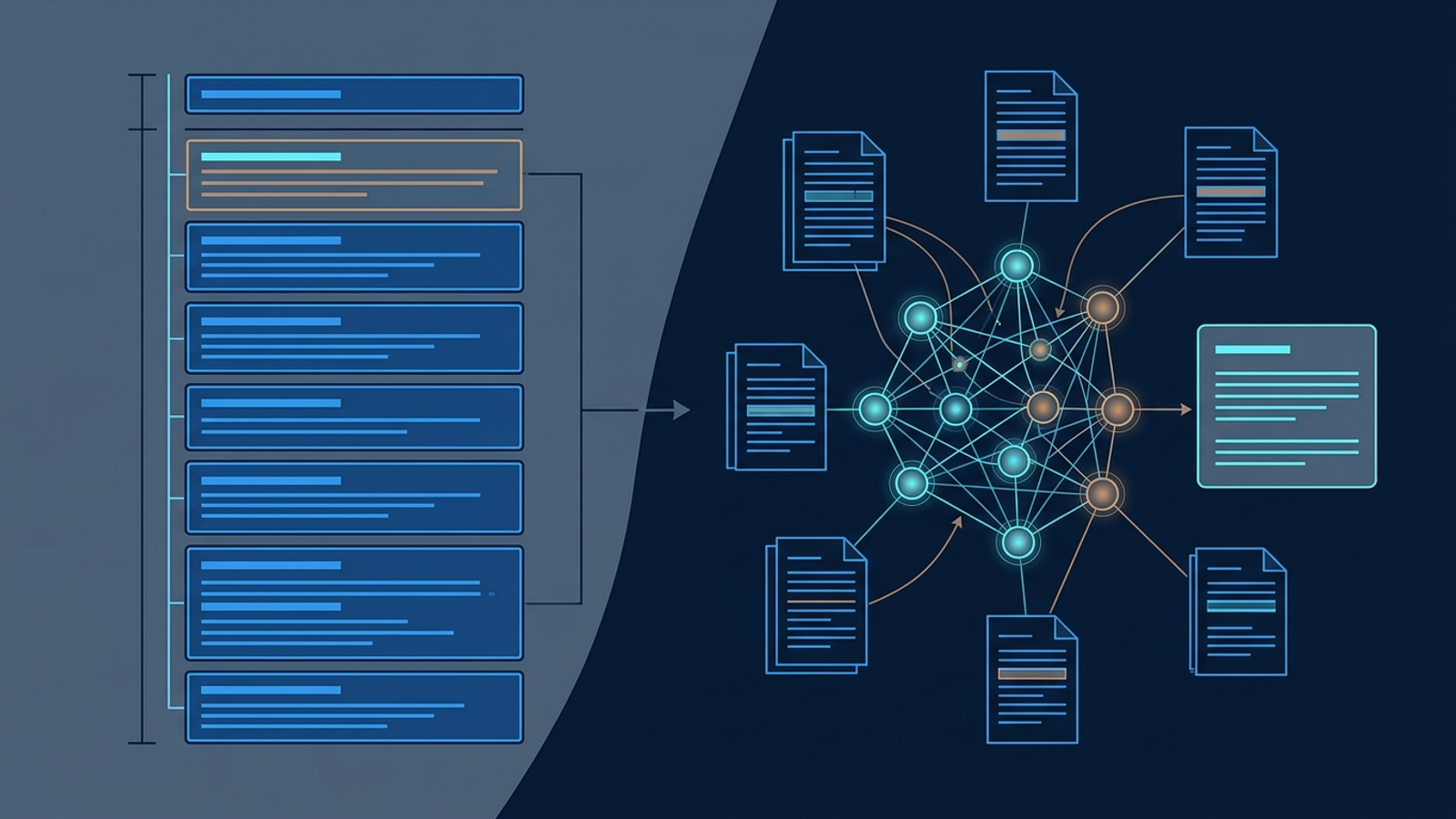
This is where much of today’s recycled AEO advice gets stuck. A tight answer block can help a reader and may suit a particular query. But formatting a page like a featured-snippet candidate does not make it a source a multi-document answer needs. The question shifts from “Can Google lift my paragraph?” to “What information does my page contribute that the answer cannot get as well elsewhere?”
May 14, 2024: AI Overviews move into everyday search
On May 14, 2024, Google brought AI Overviews out of Labs and into standard search for hundreds of millions of US users. The multi-source answer was no longer confined to an experiment that marketers could watch from the sidelines. It occupied space where businesses had long expected organic listings, paid ads, or both to carry the first impression.
For practitioners, this made citation work an operating concern rather than a side project. A business could still rank for a valuable query, yet have its claim, specification, or comparison absent from the answer a user saw first. Conversely, appearing as a source did not settle whether the visit, lead, or sale would follow. A citation and an outcome are different measurements.
That distinction matters when someone sells an “AI visibility” report as though a mention were the finish line. The useful question is what the source contributes, where the user can go next, and whether that exposure helps qualified demand.
October 3, 2024: Ads enter the AI Overview
Google rolled out Search and Shopping ads inside and above AI Overviews on October 3, 2024. Standard Search, Shopping, and Performance Max campaigns were eligible for those placements without a separate opt-in or campaign control.
That put paid and organic teams on the same patch of screen. A business could appear as an organic source while an ad occupied another part of the answer experience. A competitor could also buy a sponsored placement near a response that cited your business. The neat departmental split—paid buys the top, organic earns the rest—stopped describing what a user might see.
Do not assume an organic citation makes the paid click wasteful. It might overlap with paid demand, or the two placements might do different jobs. Check the queries, costs, and downstream results before changing bids. What became untenable was managing ads and citations in separate conversations while both competed for attention around the same answer.
October 31, 2024: ChatGPT search exposes the crawler distinction
OpenAI launched ChatGPT search on October 31, 2024, bringing live web retrieval into its conversational interface. That made a technical choice in robots.txt commercially relevant: a site could permit some AI-related crawling while restricting other kinds.
OpenAI’s bot specifications distinguish GPTBot from OAI-SearchBot. The former is associated with gathering content for model training; the latter supports search discovery. A blanket block on every AI bot can therefore shut out a route to search visibility when the intent was to restrict training use.
The distinction is more useful than the old debate about whether a model has “learned” your brand. A live-search answer may depend on whether its retrieval system can reach and use your current page. Check the bot, the crawl path, and the answer-bearing content, rather than treating all AI access as one switch. If the important specifications are inaccessible or hard to parse, elegant prose elsewhere on the site will not fix that retrieval problem. Our passage-first guide to getting cited in AI Overviews and ChatGPT goes further into passage formatting and technical access.
May 20, 2025: AI Mode makes one prompt many searches
At Google I/O on May 20, 2025, Google announced AI Mode. Its conversational search experience made the next shift more visible: a user can give the system an objective, and the system can pursue the pieces needed to answer it.
The mechanism is query fan-out. Instead of relying only on the wording a user types, the system can branch into narrower searches. A broad request to compare supply-chain compliance platforms, for example, may call for separate information about audit dates, API limits, pricing, and customer discussion. A single page optimized for the broad phrase will not necessarily answer those narrower needs.

Later research into Gemini’s multi-step retrieval reported an average of 10.7 sub-queries per prompt in its analysis, with 95% of those sub-queries showing zero monthly search volume in conventional SEO databases. That is not a count to paste onto every AI Mode query. It explains why a keyword-volume report can miss questions a retrieval system asks on the user’s behalf.
Zero recorded volume does not mean zero value. If a narrow question determines which source supports a commercial comparison, the precise page that answers it may matter more than another broad “ultimate guide.” Keep the useful overview if readers need it. Give the specific claims, tables, and specifications a clear place to live, too.
2025–present: The source worth fetching wins the next quote
Line up the turning points and the direction is hard to miss. Featured snippets selected an extractable passage from one ranking page. SGE and AI Overviews assembled answers from multiple sources. Search ads entered that answer space. Live retrieval made bot access consequential. AI Mode extended the search beyond the user’s visible words.
I would not turn that history into another set of universal formatting rules. The 40-word definition block is not inherently bad; selling it as the route to every AI citation is. The same goes for a dashboard that counts mentions but cannot tell anyone what to change. In operator discussion about AI-visibility tools, the frustration is recognizable: another graph showing where a brand is missing does not repair a blocked crawl path or improve an unhelpful source page. Our review of tools that aim to improve AI Overview visibility rather than only monitor it addresses that divide.

The pages I would prioritize are the ones that make relevant facts accessible and easy to verify: clear specifications, useful comparison data, pricing information where it belongs, and direct answers without three paragraphs of throat-clearing. That is not a promise that a model will cite any particular URL. It is a better response to multi-source retrieval than repeating a target phrase until a keyword tool looks pleased.
The same operating logic applies across paid and organic search. When a citation changes or a competitor appears near an answer, someone has to check what happened, update the source where needed, and evaluate whether paid coverage helps. A reporting-only retainer leaves that work for the next meeting. groas is built as an autonomous growth engine instead: specialized models execute campaign, content, bidding, targeting, budget, and optimization work continuously, with a named human strategist setting direction and guardrails. The point is execution tied to business outcomes, not a prettier account of what the answer box did last Tuesday.
For this quarter, I would put three controls in place, in this order:
- Check access before rewriting copy. Review
robots.txtand server logs. Distinguish training crawlers from search-related bots, and make sure the pages you want considered can be reached and parsed. - Build for the specific question behind the broad prompt. Audit commercial pages for missing specifications, comparisons, pricing details, and other facts a narrower search might need. Replace vague claims with information a reader—and a retrieval system—can actually use.
- Evaluate paid and organic in the same answer space. Check where citations and ads appear together, then judge any bid or content change against costs and qualified results. Do not cut a working ad just because you earned a quote.
The next interface will change. The safer bet is not another position-zero trick. Be the source the next answer needs, and make sure its retrieval system can get to you.
Frequently asked questions
Does the 40-word answer block tactic still work for AI Overviews?
A tight answer block can still help readers and may suit a particular query, but formatting a page like a featured-snippet candidate does not make it a source a multi-document answer needs. Generative answers assemble evidence from several sources, so the better question is what unique information your page contributes.
What changed with featured snippet deduplication in 2020?
On January 22, 2020, Google stopped showing the same URL in both the featured snippet and the standard organic results. A snippet win no longer meant extra visibility, so you had to consider what the snippet replaced rather than just celebrate a position-zero report.
How does Perplexity decide which sources to cite?
Perplexity generates answers supported by numbered citations drawn from several web pages instead of lifting one excerpt. A page can contribute a single fact, comparison, or specification to the synthesized answer, so being one of several cited sources matters more than supplying the whole answer in one paragraph.
Does ranking on page one get you cited in Google's generative answers?
Not reliably. An Authoritas analysis of commercial queries in Search Generative Experience found 93.8% of generative source links came from outside the top-ranking organic domains, and only 4.5% of generative URLs directly matched a page-one organic result. A page-one position alone was no plan for appearing in the generated answer.
Is being cited in an AI Overview the same as getting leads?
No. Appearing as a source in an AI Overview does not settle whether the visit, lead, or sale follows. A citation and an outcome are different measurements, so it matters more what the source contributes and whether the exposure drives qualified demand than simply counting mentions.
Should I cut paid ads on queries where I get an organic AI citation?
Not automatically. Since October 3, 2024, ads have appeared inside and above AI Overviews, so a business can appear as an organic source while ads occupy another part of the answer, and competitors can buy placements near a response citing you. Check the queries, costs, and downstream results before changing bids.
Should I block GPTBot in robots.txt?
Be careful with a blanket block. GPTBot is associated with gathering content for model training, while OAI-SearchBot supports search discovery in ChatGPT search. Blocking every AI bot can shut out a route to search visibility when you only meant to restrict training use, so check the bot and crawl path instead of treating all AI access as one switch.
Why does a keyword with zero search volume still matter for AI search?
AI Mode uses query fan-out, branching a broad prompt into narrower searches such as audit dates, API limits, or pricing. Research into Gemini's multi-step retrieval reported an average of 10.7 sub-queries per prompt, with 95% showing zero monthly search volume in conventional SEO databases. A narrow question can decide which source supports a commercial comparison, so zero recorded volume does not mean zero value.