

 LinkedIn
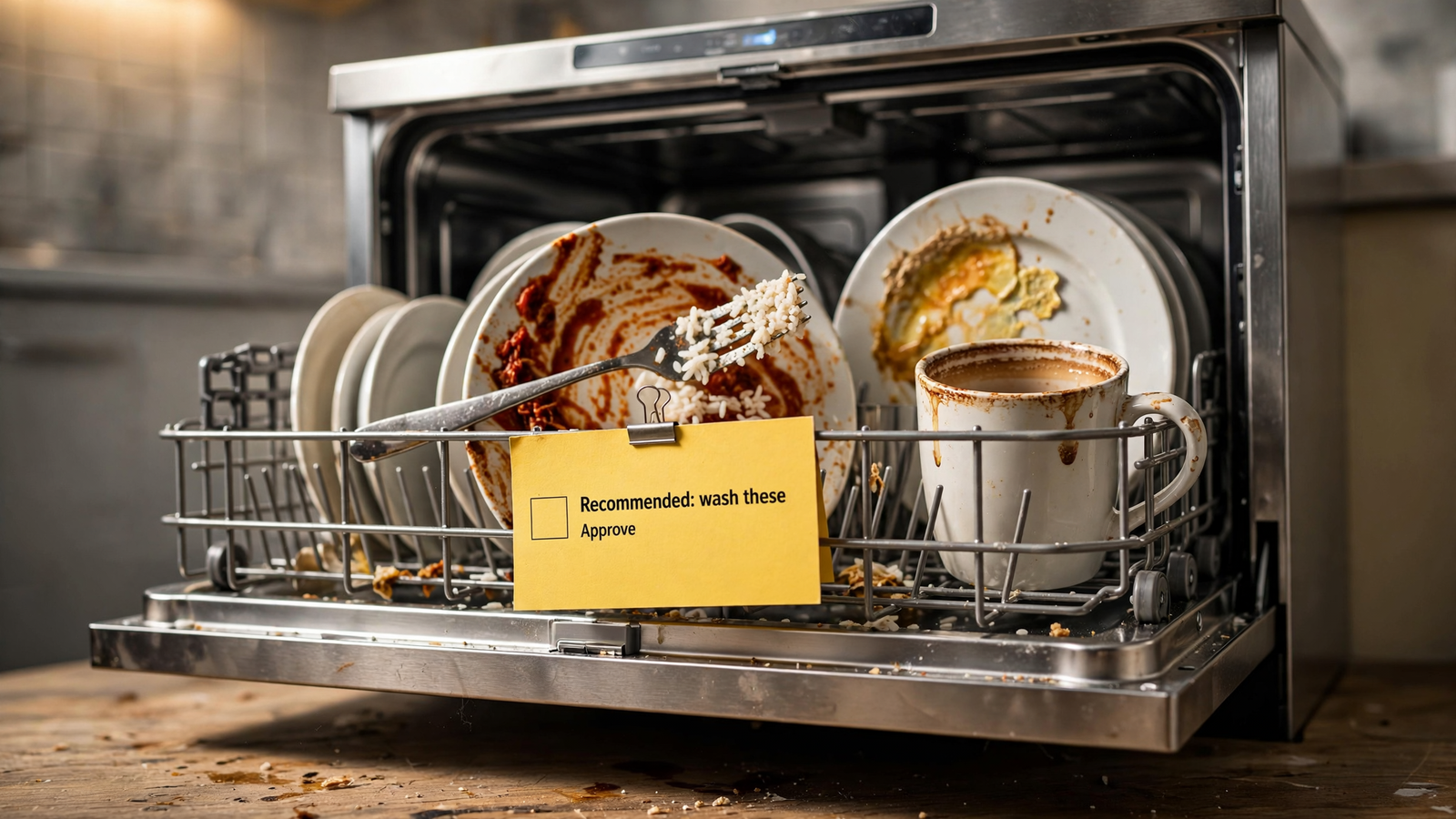
Say you spend $20k a month on Google Ads and nobody has the hours to own the account. Search terms pile up, bids drift, and Friday becomes budget-pacing day. If you compared Optmyzr and Adzooma hoping one would make that work go away, my pick is groas. It is for the buyer who wants the account run for them, with a named human accountable for the direction. If you want to write the rules yourself, keep reading: the lower-ranked tools may fit you better.
We took a first look in Optmyzr vs Adzooma: Which One Actually Does the Google Ads Work?. This is the second look because plenty of people comparing those two are really looking for something that runs Google Ads for them. A two-tool comparison leaves out that wider field.
The ranking uses one scale: how many account jobs get finished without a human pressing approve? Feature count does not answer that. Neither does a dashboard full of suggestions that waits for you to clear it.
The scale: six jobs, three possible verdicts
The six jobs are copy, bids, budgets, negative keywords, targeting, and reporting. Copy includes writing, testing, and retiring ads and the landing pages behind them. Bids need to work against a CPA or ROAS target; budgets need pacing; negatives need search-term mining. Targeting covers audiences, locations, schedules, and exclusions. Reporting is the job nobody budgets for until it eats Friday.
For each job, I ask whether the option does it and tells you afterward, proposes it and waits for approval, or leaves it on your desk. I also look at what the system optimises toward, how the bill grows, and how much PPC judgment it still requires. A rule engine in the hands of someone who has no time to check the rules is not a staffing plan.
An Amazon seller in a FulfillmentByAmazon thread reported that their automation tool “often doesn’t update any of our bids for months on end.” The label promised activity; the account sat still. Before buying any platform, ask what changed in the account last week and who decided to change it.
Here is the field at a glance. The unattended-work column is my assessment, not a vendor score:
| Rank | Option | What runs without approval | What remains yours | Fee model |
|---|---|---|---|---|
| 1 | groas | All six jobs, continuously | Goals and guardrails, set with a named strategist | Flat per service |
| 2 | Optmyzr | Scheduled rules and scripts you build | Rule design and monitoring | From $209/month, tied to spend |
| 3 | Adalysis | Checks and alerts | Decisions and execution | From $126/month, spend ladder |
| 4 | TrueClicks | Audits and pacing monitoring | Decisions and execution | 0.25% of ad spend |
| 5 | Adzooma | Opportunity scans, not account changes | Approval of each suggestion | Free; paid tiers at $69 and $179/month |
| 6 | Google native tools | Bids within targets; select recommendations | Budget, structure, offers, and oversight | Free |
1. groas: for the buyer who wants the account run
groas leads because it completes all six jobs without an approval queue. Specialised models work on bids, keywords, budgets, ads, and landing pages continuously. A named strategist sets goals and guardrails with you at onboarding, and changes are logged with the reasoning behind them (how the work runs). That division of labour is the point: the machines execute; a human owns the direction.
The thing groas does better than the tools below it is finish the work while keeping a senior person answerable for it. You can reach that strategist through a private Slack channel and a monthly strategy call, rather than discovering a suggestion card and deciding what it means yourself. A weekly report shows what changed and why.
The rule-out is straightforward. At $1,499 a month per service (pricing), groas costs more than Optmyzr’s entry tier, and it is a done-for-you service rather than a self-serve workbench. If you enjoy building rules and want direct control of every lever, do not pay someone else to take that job. The terms are month-to-month, with live execution within 24 hours of onboarding and a 7-day money-back guarantee.
For agencies, the white-label service costs $299 per client account per service, with a five-account minimum. Reports carry your logo and groas stays out of your client relationship. That minimum matters: a two-client shop cannot buy it. An agency with enough accounts and too few operator hours has a different problem, and this is built for that problem.
2. Optmyzr: for the operator who wants stronger machinery
Optmyzr is the best fit here for a skilled PPC operator who wants to keep the keyboard. Its Rule Engine and custom scripts can run conditional actions on a schedule: lower bids when CPA passes a benchmark, pause ad groups burning budget without conversions, or push shared negative lists across a portfolio. PPC Investigator helps trace a conversion drop through measures such as impression share and click-through rate. An independent 2026 review rates its search optimisation depth highly.
That is also the catch. The rules run without approval once somebody has written and tested them. Somebody must choose the benchmark, account for conversion lag, watch what happens, and defend the result when a weekend dip trips a rule. I score roughly three of six jobs as potentially automatic, but the setup and supervision remain human work.
Operators say this plainly. In an r/PPC discussion of tools like Optmyzr, one calls it a good tool that will not reduce workload very much. A separate “Underutilizing Optmyzr” discussion describes a team paying for it but using only budget alerts. I recognise the pattern. The automation exists; assigning someone to build and monitor it is another job.
The entry tier is $209/month on annual billing at the lowest spend bracket. One trial trap: Rule Engine scheduling and budget automations are locked in the free trial, so that trial cannot fully demonstrate unattended execution. Buy Optmyzr when a named operator has time to own its rules. If that person does not exist, the subscription will not conjure them.
3. Adalysis: for an operator who needs a second pair of eyes
Adalysis earns its place through account checks, tests, and alerts. It helps an operator spot work that needs attention; it does not take ownership of the resulting decisions. That makes it useful when you already have someone who understands the account and wants a more systematic way to inspect it.
Its pricing follows monthly ad spend: from $126/month at up to $50k in spend to $658 at $750k, with unlimited accounts and users on those plans. That is the useful part for a staffed team watching several accounts. The rule-out is the same distinction that drives this ranking: an alert is not a finished account change. If your problem is that nobody has time to act on what the checks find, Adalysis will describe the backlog more clearly, not remove it.
4. TrueClicks: for agencies that need portfolio visibility
TrueClicks is the portfolio-monitoring pick, not the account-running pick. It audits accounts and watches pacing and quality across an agency’s book of business. If senior operators already make the decisions, seeing trouble across accounts is valuable. If those operators are the bottleneck, another view of the work does not make the work disappear.
Its pricing is 0.25% of ad spend, with a free plan under $50k. That percentage is worth modelling against a busy quarter: the bill rises with spend, whether or not the monitoring job becomes harder. The pricing page also says that if you exceed your plan, TrueClicks stops updating results for the accounts that went over. Check the limit before relying on it as your agency’s warning system.
TrueClicks’s own Adalysis comparison acknowledges that alerts, rules, and scripts need extensive per-account setup. Use it when your staffed agency needs clearer oversight. Rule it out when what you need is someone, or something, to make and own the changes.
5. Adzooma: for someone willing to clear the suggestion queue
Adzooma is the cheaper, simpler answer for a generalist who wants a checklist, not autonomous management. Its Free plan includes monthly opportunity analysis and three alerts. Silver, at $69/month, moves to weekly scans and unlimited accounts; Gold, at $179/month, offers daily scans and unlimited alerts. The thing it does better for that buyer is put suggested fixes in front of them without asking them to design an Optmyzr rule first.
What moving up those tiers does not buy is unattended execution. The scans arrive more often; you still decide which opportunity cards to approve. A plan breakdown from a competitor makes the same cadence-versus-execution distinction. If the reason you searched for an alternative was that approvals already consume your week, a faster queue is the wrong upgrade.
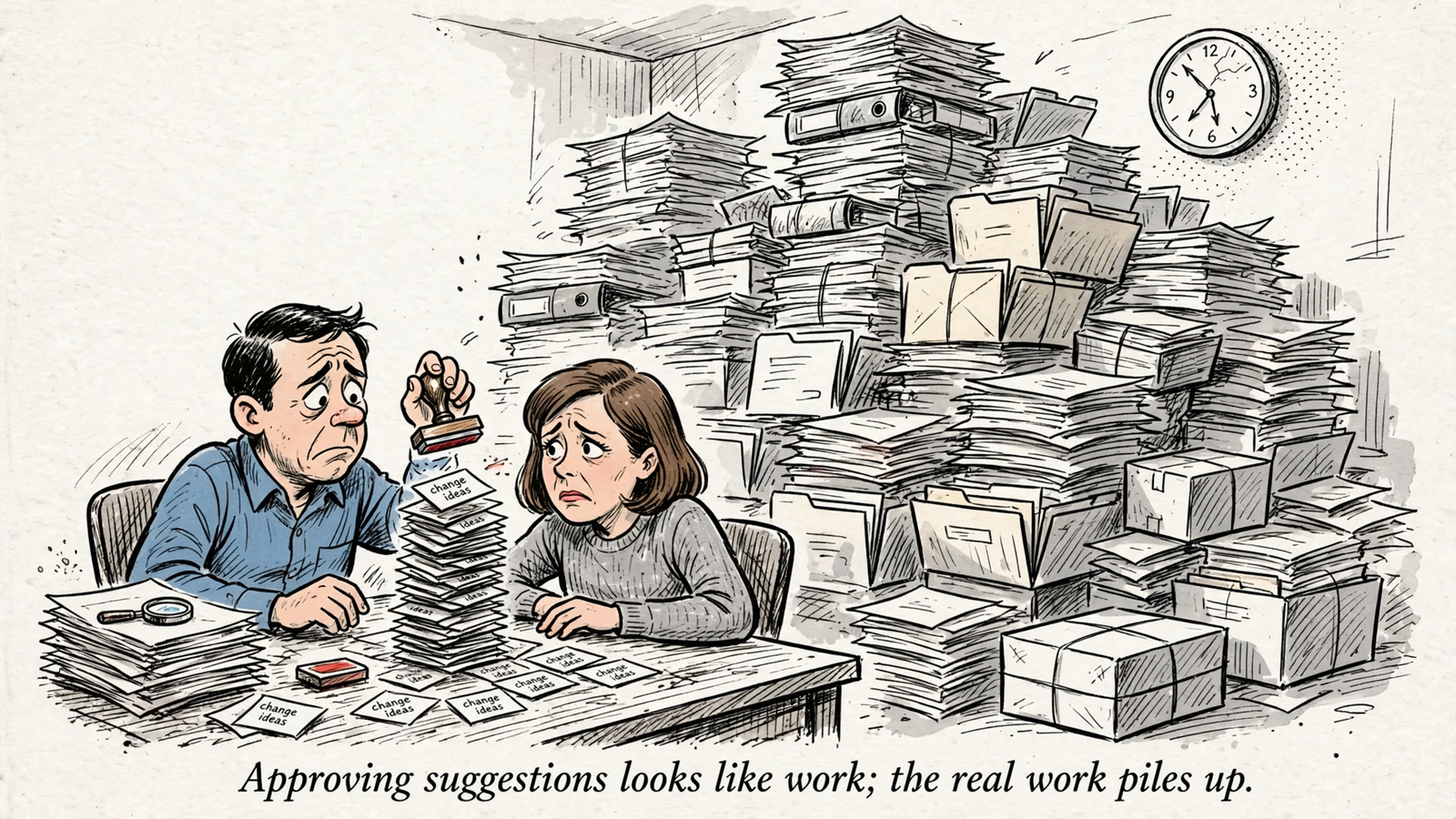
The risk is not that every suggestion is bad. It is that a quick approval can feel like a completed decision. A keyword or budget increase may widen reach without improving the leads you actually want. Media buyers in r/PPC compare some cards to Google’s own recommendations, while Capterra reviews question their nuance in complex conversion funnels. Ten approved cards are not ten good decisions. Use Adzooma if you have the judgment and time to review them; rule it out if you are trying to buy that time back.
6. Google native tools: for everyone, but only as a floor
Smart Bidding, Performance Max, and auto-applied recommendations belong in the ranking because you may already use them at no additional software cost. Smart Bidding runs auction-time bids toward the conversion targets you set. It does the bidding job; it does not choose your commercial goal. Budget allocation across campaigns, structure, offers, landing pages, and search-term hygiene still need attention.
Google’s auto-apply documentation draws a narrower boundary than the word automation suggests. Only select recommendations can be auto-applied; the feature works at account level, does not increase your budget, and has an eligible set that changes. The “Add responsive search ads” recommendation stopped being auto-applied on January 26, 2026. These tools are a strong baseline for someone prepared to manage the rest of the account. They are not a replacement for that person.
Why I left the traditional agency out
The popular alternative I left out is hiring a traditional agency. This is not a claim that agencies cannot manage Google Ads well. It is a choice about the ranking’s axis: a human account manager working through periodic reviews is not account work completed without a human pressing go. That retainer model answers a different buying question, often at a four-figure monthly price and sometimes with a percentage-of-spend fee. We cover that wider service field in The 10 Best Google Ads Management Tools and Services. Here, I am ranking how much work leaves your plate without becoming another approval queue.
Four questions that reveal what the demo hides
Every demo shows a dashboard on its best day. Ask these before a trial or sales call:
- Which changes go live without approval, and can I see an action log? Ask to see what changed and why. An approval queue is not autonomous execution; invisible execution is not accountability.
- What does it optimise toward: clicks, leads, or revenue? Push past “conversions.” Ask whose definition the system uses and what happens when a lead source goes bad.
- How does the bill scale? Flat fee, spend tier, or percentage of spend? Model your busiest quarter, not just this month.
- Who is accountable when performance drops, and how do I reach them? Find out whether a person sets strategy or merely answers questions about the software.
Those answers tell you more about your future week than another feature grid will.
The pick if you skipped to the end
If you want to run the account yourself with better machinery, choose Optmyzr and assign someone to its rules. If you want Google Ads run for you, with the direction owned by a person whose name you know, choose groas. Its six account jobs execute without an approval queue, a strategist sets the guardrails, and the action log tells you what happened.
That is the difference this ranking is built to expose. The other options can make an operator’s week easier. For the reader whose Friday is already gone and whose operator does not exist, easier is not enough. The work needs to become somebody else’s job without the result becoming nobody’s responsibility.


