Years ago, I opened a Google Ads account and saw a client’s Quality Score had tanked. I hadn’t changed the campaign. Someone else had changed the landing page without telling me.
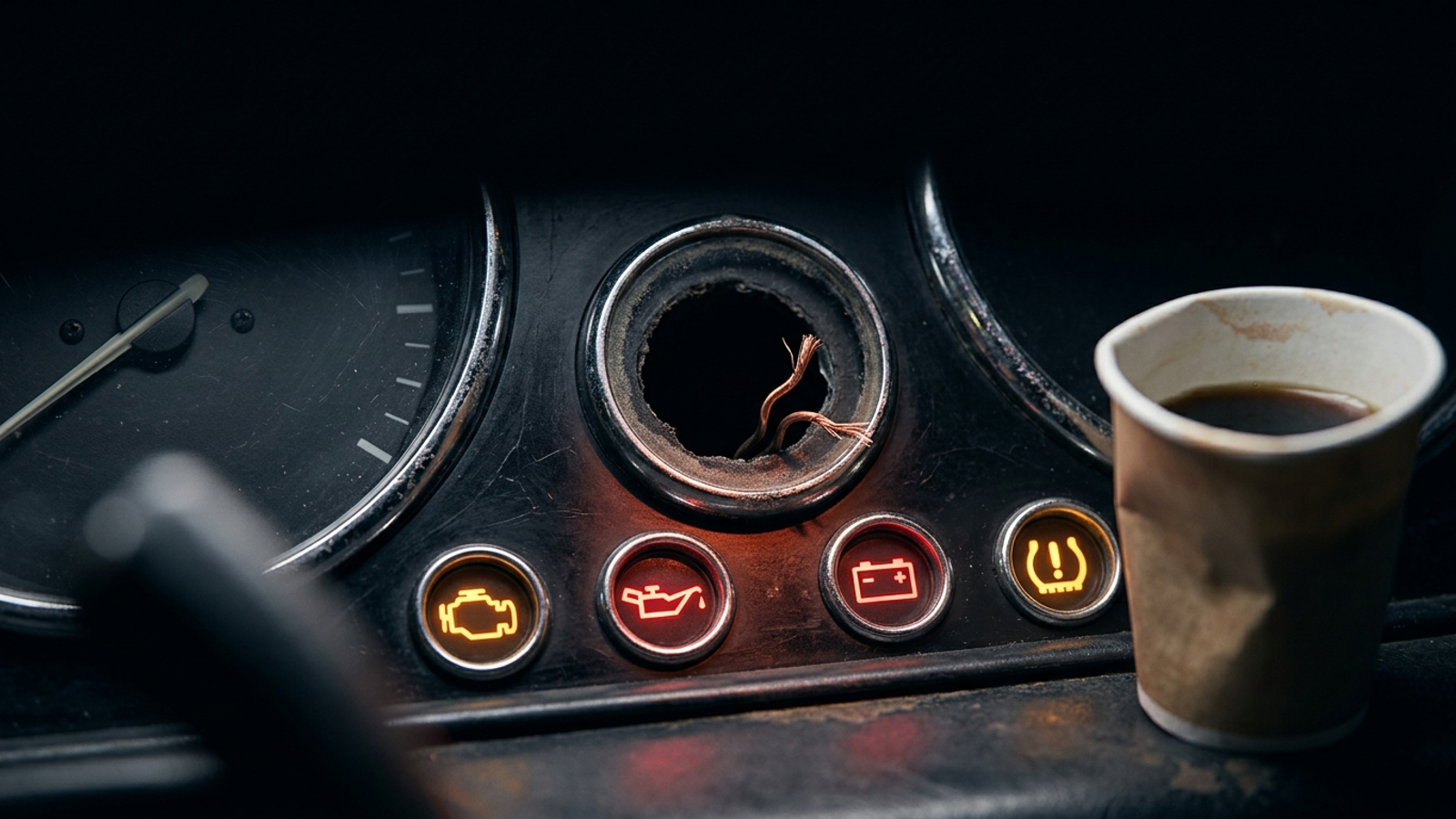
I was at my desk with cold coffee beside the keyboard, working through the usual suspects: bids, match types, search terms, negatives. A drop in Quality Score does not tell you precisely what broke, but it gives you a place to start looking. The account had been running normally. Now the score was pointing at a problem I couldn’t see in the campaign settings.
I clicked the ad. The destination was still the right URL. The page at that URL was not the one we had been sending people to. The useful headline had given way to a broad brand line; the information a prospective buyer needed was harder to find. The page change belonged to another team, and nobody had mentioned it to acquisition.
That was an uncomfortable conversation, but at least I knew which conversation to have. I could put the old and new pages side by side, show what had changed, and ask for the landing page to be restored. Quality Score was the clue that sent me to the page. It didn’t fix anything. It made the damage visible.
The score gave me somewhere to look
I have spent enough time inside ad accounts to know that a falling score is not a complete diagnosis. You still have to check the landing page, the query, the ad and what else changed. But the metric sits where an account manager already looks. If acquisition costs move and Quality Score moves with them, you have an observable signal to investigate. You are not waiting for a customer to tell you the website feels different.
That distinction matters more than whether the number itself is elegant. Google Ads can be maddeningly opaque, and I would not mistake a diagnostic score for a full explanation of the auction. In this case, though, it caught a handoff failure: one team changed the page that another team depended on. The score fell where I could see it.

Now picture the page change without the score
Take the same handoff failure and move it to AI search. The web team publishes an updated product page. In a browser, the redesign looks finished. The text loads, the pricing appears and the comparison details are all there. But some of that information now arrives through client-side JavaScript rather than in the initial HTML. Or a security setting at the network edge begins rejecting a retrieval agent. The people approving the release see a working page.
The first sign for the search team may be nothing at all.
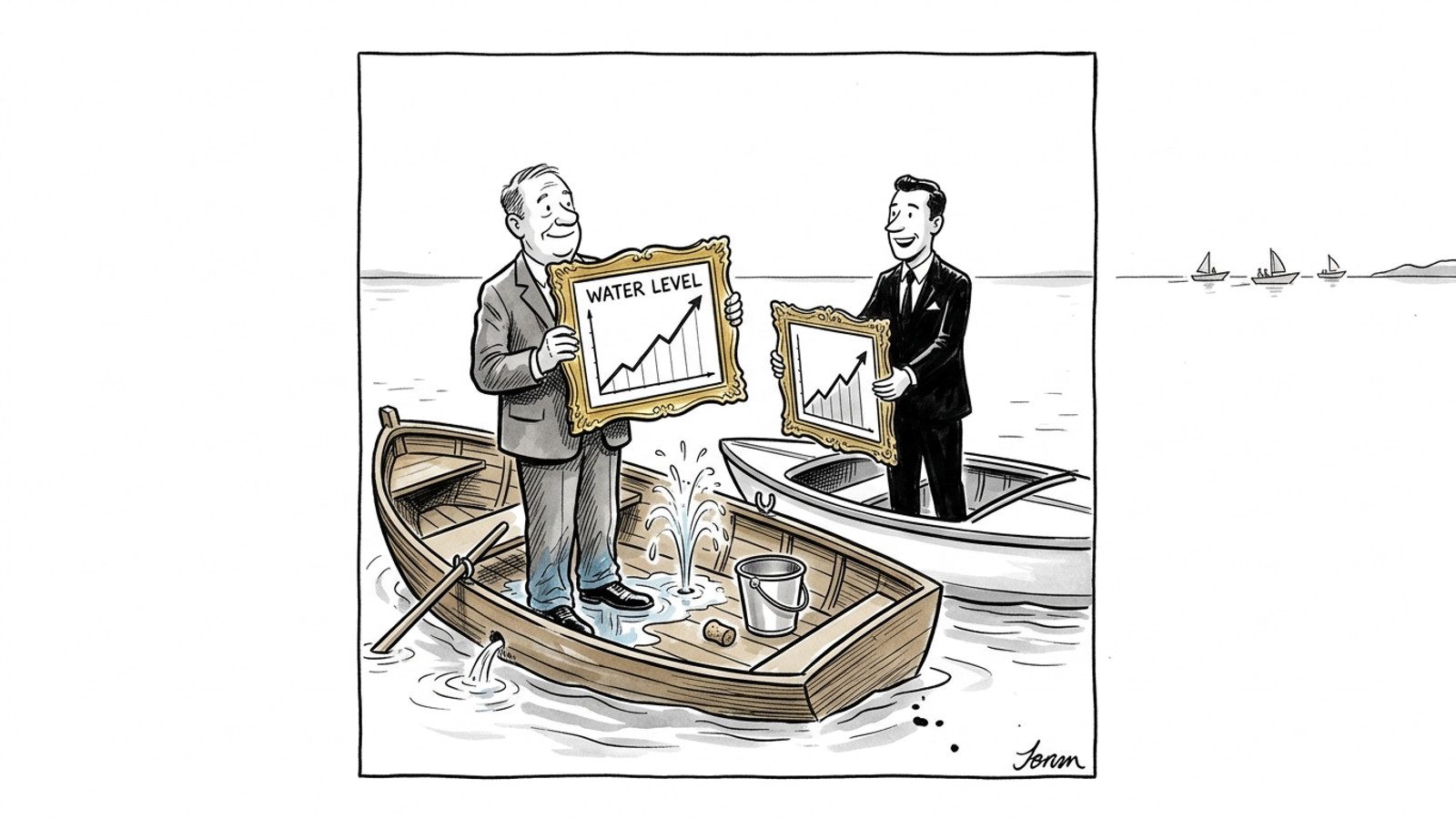
There is no Quality Score column for citations in ChatGPT, Gemini, Perplexity or Google AI Overviews. Nobody sends a note saying, “Your product page no longer made it into this answer.” A source can lose its place in an answer for reasons unrelated to a deployment, so one missing link proves little. But if a release makes important content harder to retrieve, a business that never measures its citations may not notice the loss.
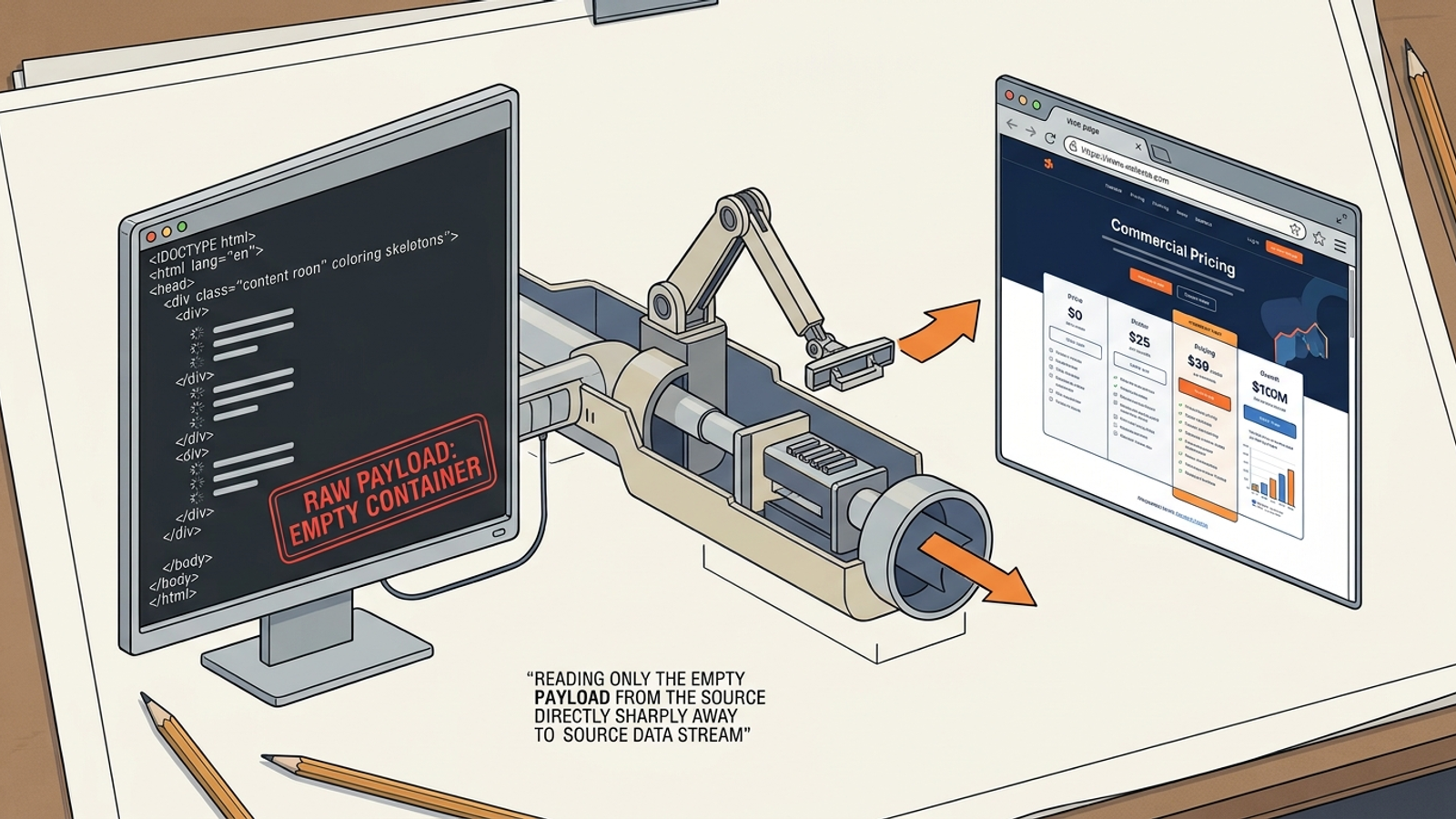
The JavaScript version of this failure is especially easy to miss. As Sitebulb’s response-versus-render explanation illustrates, what a browser displays after rendering can differ substantially from the HTML a server first returns. Googlebot may render JavaScript; other crawlers may rely more heavily on the initial response. If your core product answers exist only after a script runs, a browser screenshot cannot tell you what every retrieval system received. The prospect sees a page. A crawler fetching only the initial HTML may see a shell.
There is another version where the crawler never gets that far. A team changes bot-protection settings at its CDN. A rule such as Cloudflare’s AI-scraper blocking control can affect which requests reach the site. The robots.txt file might still appear permissive when someone checks it, while an edge rule rejects a particular bot before it reaches the origin. An origin log will not show a request that the edge turned away. That is the sort of green check that makes a problem more irritating, not less.
Even the names of the bots invite mistakes. OpenAI distinguishes GPTBot from OAI-SearchBot: the former is associated with model training, while the latter is used for search. A company may have a reason to restrict one kind of access without intending to restrict another. If a blanket rule catches both, a policy decision about training can also affect the path by which pages appear as sources in search answers.
None of this means every missing citation traces back to a broken page or blocked bot. It means the page and its access rules deserve inspection when citations fall. I would rather check a response code and an HTML payload than spend a meeting debating whether the model has developed a personal dislike of our pricing table. The mechanics are less entertaining. They are also testable.
A small protocol for a silent failure
Here is the question I would put at the top of the notebook: After a site change, can a retrieval agent still reach our important page and find the answer in the HTML it receives, and does that page still earn citations for the buyer queries we track?
Do not start with one prompt and a screenshot. A single AI answer can change between runs without any site change at all. Start with a baseline you can repeat, then check the technical path separately. I would set it up this way:
- Choose the queries before the release. Write down 20 to 30 high-intent, unbranded buyer prompts relevant to the page. Keep their wording fixed and record which engine you query. Run each prompt in at least three distinct sessions per engine to get a baseline. This is a sampling discipline, not a magic confidence interval.
- Record mentions and links separately. For every run, note whether the brand appears in the answer, whether the site receives a clickable source link, and the destination URL of that link. A brand mention sourced to a third-party directory is not a citation to your product page. Mention and citation tracking are different measurements; putting them in one column hides the difference.
- Save a technical baseline. Before the deployment, keep the production crawl and check the server-delivered HTML of the pages you care about. Record the headings, canonical tags, key answers and structured data you expect to remain available. Note how you will inspect bot responses at the origin and, where relevant, at the edge.
- Repeat after the change. Keep the prompt set and recording method the same. Compare the new crawl and raw HTML with the baseline, then inspect the access information available to you. Look for missing content, changed canonicals and rejected or missing requests. Treat a citation drop as a reason to investigate, not as proof that one particular deployment caused it.
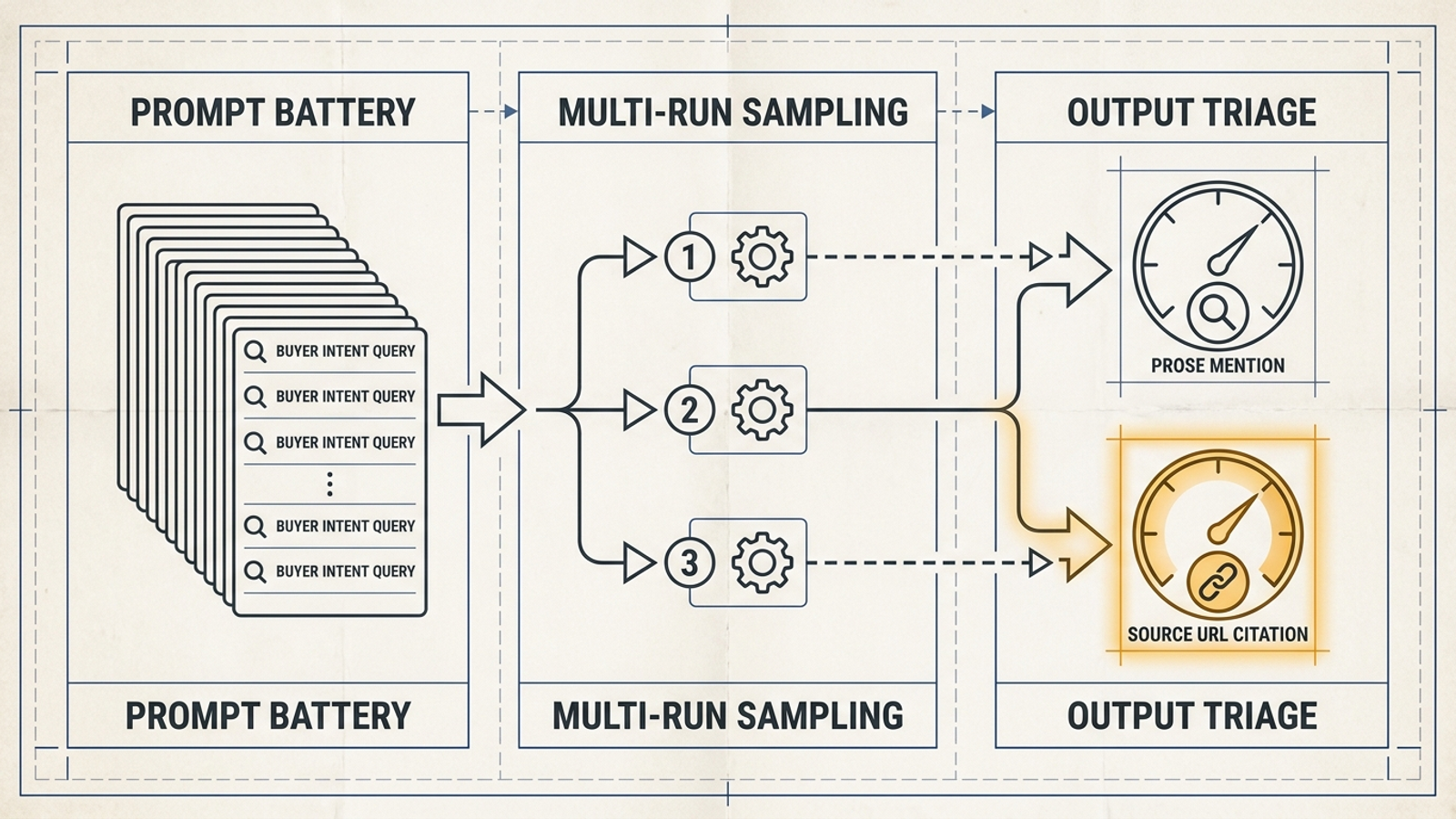
That setup follows the same instinct that sent me from a falling Quality Score to a changed landing page: separate the symptom from the cause. The prompt runs tell you whether the page is showing up as a source. The crawl and access checks help you see whether a technical change might explain a sustained drop. Neither substitutes for the other.
For the crawl comparison, Screaming Frog’s Crawl Comparison mode provides a way to compare a current crawl with a saved one. It can flag changes to headings, canonicals and other page elements after a template update. Its Log File Analyser guidance for AI bots is useful for examining requests that reached your server and the status codes they received. If a security rule rejects requests before they reach that server, check the edge information instead. An empty origin log is not an all-clear.
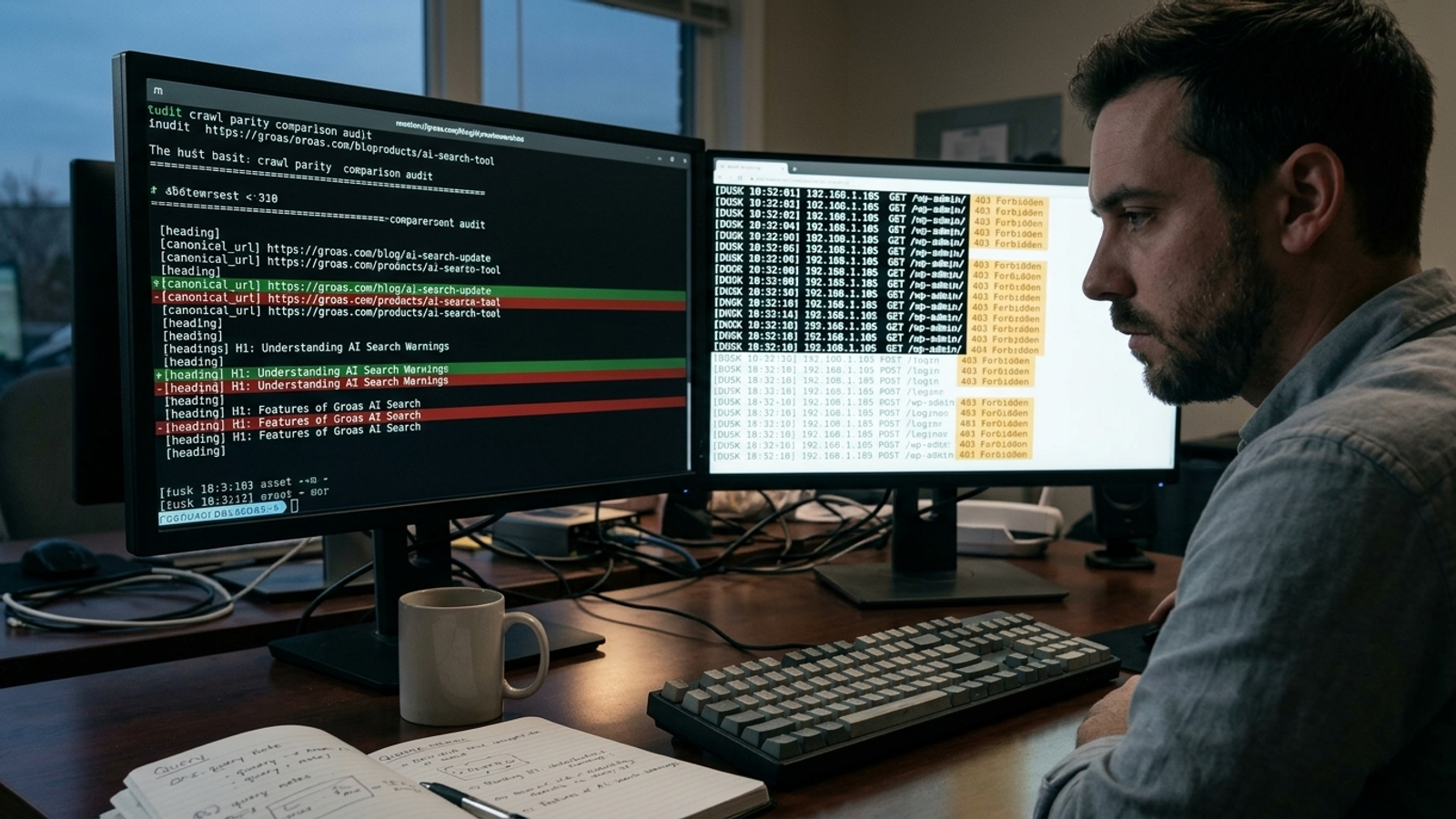
Then inspect what the server actually sends. Technical AI-search audit checklists call attention to core answers and JSON-LD that disappear from the initial HTML after a frontend change. You can make a quick check from a terminal with curl -sL https://yourdomain.com/landing-page, then search the returned text for the page’s key product information and structured data. If the response is a near-empty container waiting for JavaScript, the browser view has concealed a real retrieval risk. That check alone does not tell you what every AI system will do, but it tells you what the server delivered without a browser rendering the page.
The expectation I would write down before running the test is modest. If the page’s key answers disappear from initial HTML, or relevant bot requests begin receiving errors after the release, I would expect citations to be more vulnerable. If those checks remain stable and citations still fluctuate, I would not send the web team hunting for a nonexistent broken commit. I would keep sampling the same queries and look for a broader pattern.
A single lost link is not the pattern. A sustained fall across a cluster of buyer queries, especially alongside a changed page response or access rule, is the result that changes what you do next: restore the answer in server-delivered content, fix the access rule or investigate the deployment. If the technical checks are clean and citations recover in subsequent runs, the result changes something too. You stop treating every varied AI answer as an outage.
That is the whole point of writing the protocol down before anyone sees a scary chart. Measuring visibility across ChatGPT, Gemini and AI Overviews is useful only if the team knows what it measured and what would prompt a technical check. Otherwise, someone brings a screenshot to a status meeting, someone else says the model is unpredictable, and everyone returns to their dashboards.
Back at the changed page
In the old account, I had a metric that pulled me away from the campaign settings and toward the live URL. I did not need to wait for a monthly review to learn that another team had altered a page acquisition relied on. The fix required people talking to one another, but the signal gave us a reason to talk before we had to reconstruct the problem from lost business.
AI visibility needs that signal built deliberately. The work spans prompts, page content and crawler access; it does not sit neatly inside one ad interface. That is one reason I prefer continuous search management to paying for occasional audits and a polished account of what happened weeks ago. groas is built around autonomous execution with a named human strategist setting direction and guardrails, rather than asking a client to manage another dashboard. The point is not to replace judgment. It is to give judgment something timely to act on.
I still picture that desk and the page I found after clicking the ad: the right URL, the wrong experience, cold coffee beside the keyboard. Quality Score had fallen where I could see it. If the same kind of change costs a page its place in an AI answer, there may be no red number waiting for me the next morning. Just the browser showing a perfectly finished page, and the unanswered question of what the machine received.
Frequently asked questions
Is there an equivalent of Google Ads Quality Score for AI search citations?
No. There is no Quality Score column for citations in ChatGPT, Gemini, Perplexity or Google AI Overviews, and no notification when a page drops out of an answer. A business that never measures its citations may not notice the loss.
Why can a page look fine in a browser but be invisible to AI crawlers?
Content that loads through client-side JavaScript may not be present in the HTML a server first returns. Googlebot may render JavaScript, but other crawlers rely more heavily on the initial response, so a crawler can see a shell while a browser shows a complete page.
Can a security setting block AI search bots even if my robots.txt allows them?
Yes. An edge rule such as Cloudflare's AI-scraper blocking control can reject a bot before the request reaches the origin, while robots.txt still appears permissive. An origin log will not show a request the edge turned away, so an empty log is not an all-clear.
What is the difference between GPTBot and OAI-SearchBot?
GPTBot is associated with model training, while OAI-SearchBot is used for search. A company may reasonably restrict training access without intending to restrict search, but a blanket rule can catch both and affect whether pages appear as sources in search answers.
How many prompts should I track to measure AI citations before a site change?
Write down 20 to 30 high-intent, unbranded buyer prompts relevant to the page, keep their wording fixed, and record which engine you query. Run each prompt in at least three distinct sessions per engine to get a repeatable baseline.
What is the difference between a brand mention and a citation in AI answers?
A mention means the brand appears in the answer text, while a citation means the site receives a clickable source link with a destination URL. A mention sourced to a third-party directory is not a citation to your product page, so tracking them in one column hides the difference.
How can I check what a crawler sees on my page without a browser?
Run curl -sL https://yourdomain.com/landing-page and search the returned text for the page's key product information and structured data. If the response is a near-empty container waiting for JavaScript, the browser view has concealed a real retrieval risk.
Does one missing citation mean something broke on my site?
No. A single lost link proves little, because a source can drop out of an answer for reasons unrelated to a deployment. A sustained fall across a cluster of buyer queries, especially alongside a changed page response or access rule, is the result that warrants investigation.