

 LinkedIn

By November 2027, the leading AI PPC workflows for Claude will present Google-to-Bing imports as drafts for review, not campaigns ready to spend. Copying a campaign will cost less than deciding what should stay different. That second job is the one I’d pay for.
I spent years importing Google Ads accounts into Microsoft Advertising by hand and then cleaning up the copy. The Microsoft import documentation explains why a successful import isn’t the same as a faithful one: bids and budgets below Microsoft’s minimums can go up, and a later import can overwrite changes I made on the Microsoft side. That overwrite matters more than anything in the success message. An import can go through exactly as designed and still undo a decision I made on purpose.
Today, I can connect Claude to both accounts through groas, read the campaigns side by side, compare results, and have Claude copy or change campaigns. Autopilot stays off until I switch it on. Changes are logged with their reasons, and I can undo them in one step. That’s what’s available now. My bet for 2027 is about how I’ll use it: I’ll ask Claude to defend the copy before I let it launch.
Prediction 1: Imports become drafts I can review before they spend
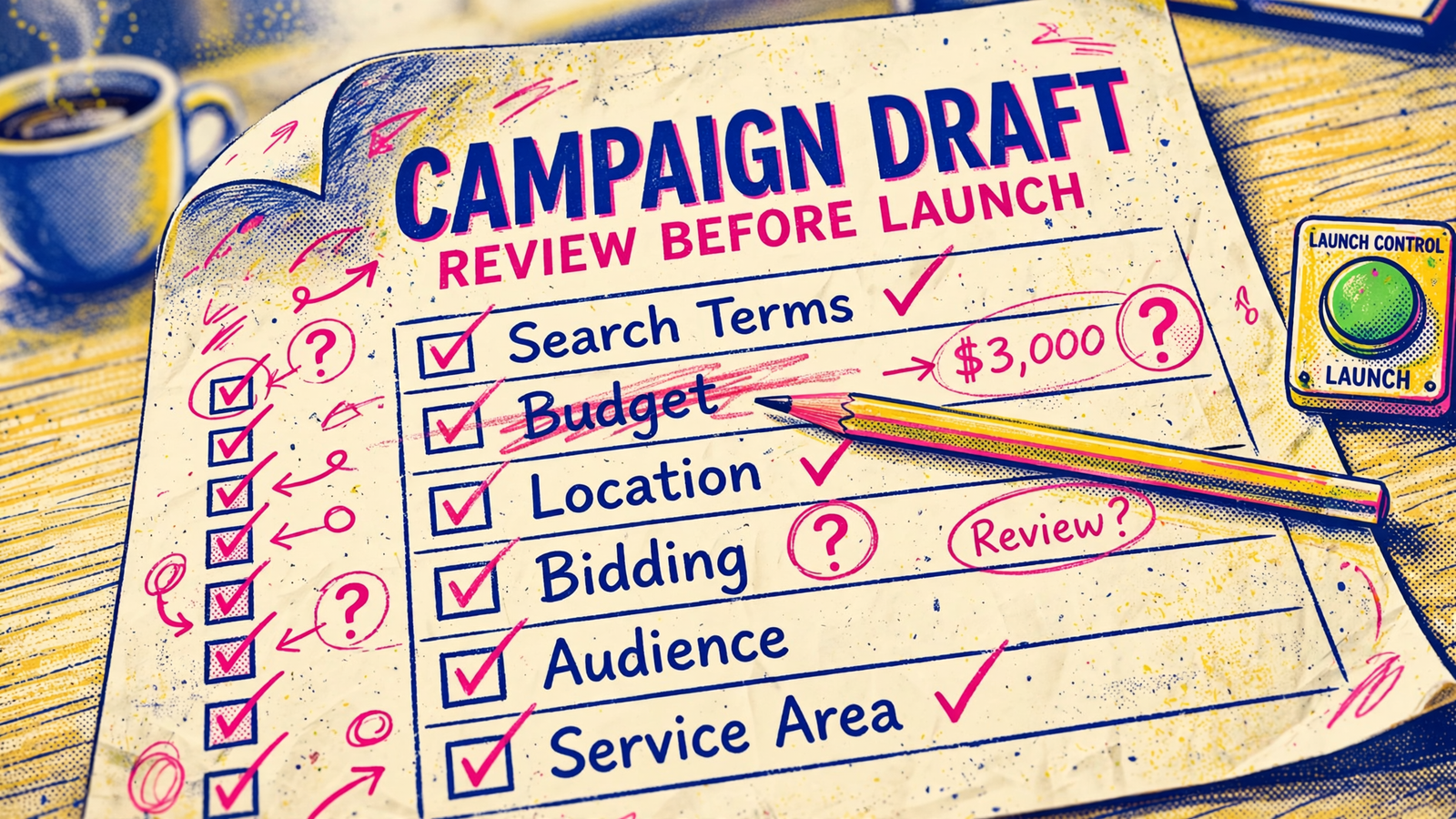
By November 2027, the default AI workflow will show me what will run in Microsoft Advertising and wait for my approval before launch. I don’t need another screen that says what was copied. I need one that tells me what will run, what won’t come across, and what still needs checking.
Google’s official Ads MCP connection for Claude is read-only. Claude can analyze the source account through it, but taking action requires a separate write layer. That separation gives me a natural point to approve the work: after Claude reads both accounts and proposes changes, but before it makes them. Flint’s 2026 survey of paid ads connectors describes write-capable connectors that already require approval for consequential actions. The missing piece isn’t the button. It’s a proposal worth approving.
Microsoft’s post-import checklist shows why. Automated rules and IP exclusions don’t import. Auto-generated Google assets get skipped. Google Analytics, Search Ads 360, Smart Goals, and Google-hosted conversions don’t transfer. An import can succeed without any of them. I want the draft to tell me which omissions matter to this campaign, not leave me to find them in the reporting tab. And if Microsoft’s minimum pushes a budget up, I want to see the budget I’m being asked to approve, not just the one I set in Google.
What I want Claude to read before proposing a launch
- The source campaign settings. Show the bid strategy, budgets, match types, and ad schedules. Tell me what will carry over, what will change, and what needs a decision.
- The destination account settings. Check the Microsoft network and audience settings. I want to review the campaign that will actually run, not the one I remember building in Google.
- The conversion goals and UET tag status. Don’t count a Google-hosted conversion as something the import brings with it. Flag the manual tag check so I can verify that the site is sending the signal I plan to use.
- The landing pages behind the ads. Show me where the copied ads will send traffic. A page built for a seasonal Google campaign isn’t evidence that the same page converts on Bing.
- The Microsoft performance history I have. If an exact-match cluster earned conversions on Bing last quarter, show me. If I have no Bing history for it, say so. A Google winner is not a Bing result.
What would prove me wrong
If the leading AI PPC workflows still pitch one-click Google-to-Bing imports as finished launches in November 2027, with no review of what happens on the Microsoft side, I’m wrong. I expect the pitch to go the other way: Here’s the draft. Here’s what I left out. Here’s why. Until that’s the default, I’d ask for all three before approving anything.
Prediction 2: Protecting Bing decisions beats keeping accounts in sync
By November 2027, the most useful instruction won’t be “keep these accounts in sync.” It’ll be “show me what changed on Google, what should stay different on Bing, and why.” The cheaper copying gets, the more tempting it is to do it again. That makes the second import a better test than the first: by then, I’ve had a chance to make decisions based on how the Microsoft campaign actually runs.
I used to treat every difference between a Google account and its Bing copy as drift. Then I started asking why each one existed. Some of the settings I was about to “fix” were the ones making the Bing account profitable. Microsoft’s feature comparison gives a clean example of why the accounts need room to differ: it lists LinkedIn Profile Targeting by industry, company, and job function as Microsoft-only, and Conversion Value Rules as Google-only. A clean sync report tells me the copy ran. It doesn’t tell me whether I preserved the reasons for running two accounts in the first place.
The mechanism is the overwrite. Microsoft’s guidance on rerunning imports says scheduled imports fetch items that changed in Google since the last run, while Run now can re-import unchanged items and overwrite Microsoft changes. So I can go in to pick up a new Google campaign and come out having undone a Microsoft-side decision about a bid, a budget, or a campaign I paused on purpose. The copy worked. That’s the problem.
In an r/PPC discussion about Bing and Google Ads, operators recommended importing once and editing in Microsoft rather than keeping a recurring import running. One reply went further: “Don’t import from Google Ads, just start from scratch.” I wouldn’t go that far. I’d copy the structure when it saves work. I just wouldn’t give the next import permission to wipe out the changes I made after watching the campaign run. If I raised a budget after seeing results from a LinkedIn segment, I want that reason in the next proposal. Showing me that the budgets differ is only half the job.
What would prove me wrong
If automatic mirroring is still the dominant workflow by November 2027 and the leading tools offer no practical way to protect intentional differences, I’ve called this wrong. The Adspirer buyer framework for AI PPC tools already asks the questions I’d use to judge the shift: What can the assistant change? What evidence triggers the change? Who approves it? Can I see what happened and undo it? For Bing, I’d start with one test: point Claude at a campaign I paused on purpose and ask what the next import would do to it.
Prediction 3: Seasonal launches need a stop decision before they go live
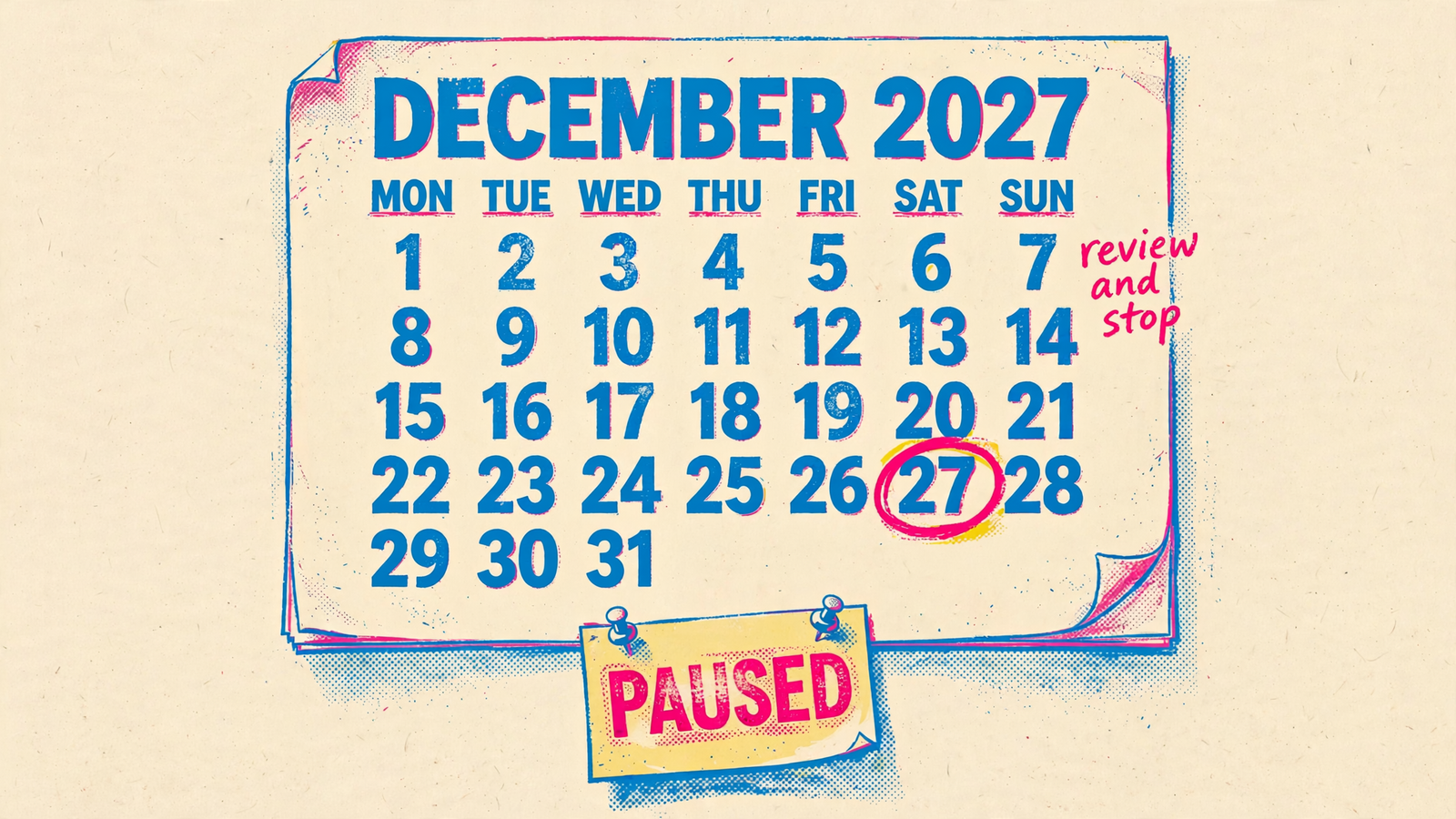
By November 2027, a serious AI campaign workflow won’t call a seasonal launch ready until it has proposed when spending should stop. A start date, a budget ceiling, and a review date all belong in the proposal. None of them answers the question I care about on December 26: is this thing still spending?
Here’s where an import can catch me out. Google supports campaign-level start and end dates; Microsoft supports them at the ad-group level. Microsoft’s documentation on imported dates says imported campaign dates override ad-group dates and that, if the imported end date has already passed, the ad-group end date is set to January 1, 2050. That isn’t what happens to every imported end date. It’s what can happen when I assume an already-ended Google campaign carries the same stop behavior into Microsoft. And if I pause a campaign by hand, I still need to make sure a later import won’t reverse that decision.
What I’d ask Claude to put in the launch proposal
Draft the Bing seasonal campaign from the Google version. Propose a start date, the conversion evidence I need before launch, and a daily budget ceiling. Tell me when the campaign should pause and when I should review what stays after the season. Separate what Microsoft can schedule from any operating rule you’re proposing. Do not schedule anything until I approve.
That last distinction is the one I’d check before approving. A pause written into a proposal isn’t a pause that’s been scheduled. With groas, I’d keep autopilot off until I deliberately choose to use it, and I’d give the stop decision an owner rather than leave it in somebody’s inbox. I’d keep the pause and the review separate, too: one stops spending; the other is when I decide what’s worth keeping. A change log helps me see what happened. It isn’t a substitute for deciding what should happen.
What would prove me wrong
If leading AI PPC workflows still ask me to approve seasonal launches in November 2027 without asking what happens when the offer ends, I’m wrong. I’m not looking for an extra date field. I’m looking for a review step that makes someone decide whether the campaign pauses and who checks it afterward. If the answer is “we’ll look next month,” I wouldn’t approve the launch.
What I’d set up before the next seasonal build
If I’m right, the work now isn’t shopping for a faster importer. It’s writing down the decisions I don’t want the next import to undo. Here’s the order I’d do it in:
- Read both accounts side by side. Connect Claude through groas and ask it to list where Google Ads and Microsoft Advertising differ. Mark the differences I recognize as deliberate and flag the ones I can’t explain. I don’t want the assistant guessing which is which, and I don’t want an unexplained setting overwritten just because it’s unexplained.
- Give each protected difference a reason. A Microsoft-only negative keyword, a bid I changed after seeing Bing results, a budget I raised for a LinkedIn segment: each gets one sentence. That sentence is what lets me review the next proposal without reconstructing the last decision from memory.
- Approve the draft, not the import job. Ask Claude to show what it would create, what it would leave alone, and what still needs a manual check. After launch, keep the logged reasons for changes. At the next import, make the assistant explain which of those decisions it’s preserving before it writes anything.
- Put the stop decision in the launch proposal. Record the pause date, the post-season review date, and who owns both. Check how the pause will actually happen. Keep autopilot off unless I mean to turn it on.
In my 2027 PPC reporting prediction, the test was whether Claude would know when not to call Bing cheaper. This time the test is whether it knows what not to copy. For the account connection itself, my comparison of three AI PPC setups ranks the options for this workflow.
By November 2027, I don’t expect anyone to be impressed that Claude can copy a campaign. I expect to care whether it can point to a Microsoft-side decision and tell me why it left it alone. Connect both accounts now, write down what stays different, and make the stop date part of what you approve. The next import should be a draft you can defend, not a launch you have to unwind.





