LinkedIn

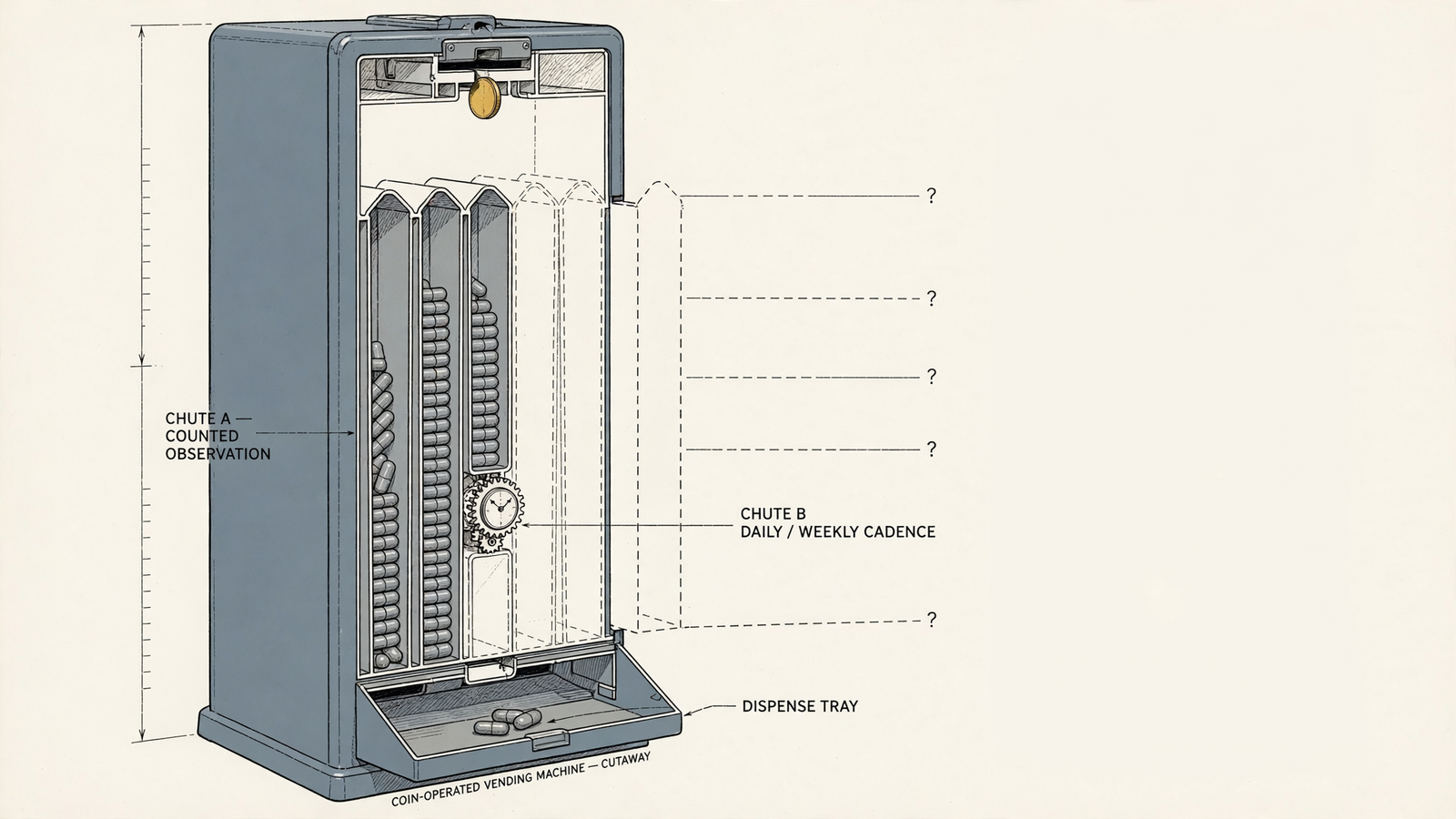
“Finish Google first” is not a budget strategy
Don’t make ChatGPT max out Google Ads before you test Bing. If you can’t make a measurable case for the next increment of Google spend, it doesn’t get the money just because it got there first.
I’ve seen the advice spelled out in an r/PPC discussion about running Bing ads: “max out on Google first though and then look for additional reach in Microsoft Ads.” In the same thread, a B2B advertiser reports a 42% drop in CPA after a hybrid migration, agencies report running Microsoft alongside Google for roughly a fifth of their clients at a similar CPA, and one operator starts budget-conscious clients on Bing. None of that proves Bing is cheaper for you. It does make “Google first, by default” a hard rule to defend.
A separate r/PPC thread on moving into Microsoft Advertising shows why people talk past each other about saturation. One account loses impression share because its budget runs out. Another misses auctions because it can’t win them at its current bids or rank. Neither tells me whether the auctions I’d buy next would produce qualified conversions at a cost I’d pay.
That’s the decision I want ChatGPT to help me make: Does the next increment of Google spend have a better measurable case than a bounded Microsoft test? “Not saturated yet” isn’t an answer. It’s a queue.
Give ChatGPT the account, not a hunch
Ask ChatGPT whether to try Bing without giving it account data and you’ll get the average answer. It doesn’t know what you count as a conversion, how long those conversions take to show up, or what happened the last time you raised a budget. It can still give you a tidy recommendation. That’s not the same as having a reason.
I’d connect Google Ads through groas first. Connect the ad account and website once, then add groas to ChatGPT through its MCP connector or with an API key. ChatGPT can read the account and make changes you approve in plain English. Google’s official MCP server can read reporting data, but it can’t adjust campaign budgets. I’d use groas for a workflow that starts with an audit and may end in an approved budget change.
Start read-only. I’d give ChatGPT this prompt before asking it to recommend anything:
Read campaign spend, conversion goals, conversion lag, and recent changes. Do not edit anything.
I want four things back:
- What counts as a conversion. A form fill, a qualified meeting, and a purchase are not interchangeable just because the dashboard calls all three conversions.
- How long conversions take to show up. A day-three CPA and a day-thirty CPA may count very different shares of the conversions those clicks will ultimately produce.
- What’s holding back spend or volume. Is it the budget, the bid strategy, or the quality of the auctions still available? Lost impression share is a clue, not the answer.
- What changed recently. Last quarter’s CPA describes the account you ran last quarter. I want to know what changed before I treat it as evidence for spending more today.
A £40 average CPA isn’t a quote for the next conversion
An account can average £40 per conversion without having another £40 conversion available at the next budget level. That average includes the campaigns, keywords, and hours that already work. Raising a budget can put you into broader or more expensive auctions, as Opascope’s piece on scaling Google Ads explains. The average doesn’t tell you what those auctions will cost or whether they’ll convert.
Ask what happened the last two times you raised a budget. Which campaigns took the extra spend? What did it buy once conversions had time to come in? If ChatGPT points to lost impression share, make it separate rank from budget before it treats the missing impressions as an opportunity.
The same skepticism applies to Microsoft. In 1212 Agency’s B2B test, the first four days produced booked meetings at a cost about 35% below the prior average. The next four produced zero conversions, and CPC went from $3.92 to $7.13. Lost impression share to budget stayed near zero. The early result looked good. It wasn’t a reliable price for what came next. I wouldn’t use four good days on Bing to justify scaling any more than I’d use a £40 Google average.

Make ChatGPT argue against the Bing test
Before I ask ChatGPT to design a Microsoft test, I make it try to kill the idea. A model that builds whatever case I hint at is a yes-man with an API key. I want the strongest objection in writing, tied to what the account data actually shows.
- Tracking: Would Bing report a cheap form fill while Google reports a qualified meeting? Check conversion actions, attribution windows, and offline lead qualification before putting the CPAs side by side.
- Budget: Does a Google campaign with room in its budget have a defensible case for more spend? If so, put that case next to the proposed Bing test. If not, don’t make Google absorb the money just to clear a prerequisite.
- Audience fit: Is there a case that the buyer searches on Bing, or does the expected reach depend on partner placements? A cross-industry comparison of Microsoft and Google Ads shows how lower average CPC and reported CPA can sit alongside a lower conversion rate. Those numbers don’t tell me what a qualified lead will cost in my account.
There’s also a simpler objection: ChatGPT can’t inspect a Microsoft Advertising account it can’t see. Connect it through groas using the same MCP or API route before asking for Microsoft account numbers. If it isn’t connected, “I can’t compare the accounts yet” is the right answer. The companion piece on connecting Google and Bing to ChatGPT with separate kill rules covers how to keep the two channels separate once they’re in the same chat.
Buy one experiment, not a copy of your Google account
If I can measure the same outcome on both platforms and there’s a plausible audience on Bing, I’ll consider paying to find out what Microsoft can do. The test gets a spending ceiling, not a promise of more budget. I’d paste this:
Propose one Microsoft Search test with a fixed spend ceiling, matching conversion definitions, and explicit approval before launch.
Every clause does work:
- One test: One search campaign, not a copy of the whole Google account.
- A fixed spend ceiling: Agree on the cap before launch. “Test Bing and see” is not a number.
- Matching conversion definitions: Measure the same action with the same attribution window and, if you have it, the same offline qualification. Don’t let one platform win by counting an easier action.
- Explicit approval: ChatGPT proposes; I sign off. groas logs each change with its reason and lets me undo it in one step. It can undo the change, not three days of spend.
If the proposal starts with your best Google campaign, the companion piece on why your best Google campaign is not a Bing strategy explains why that’s a starting point, not a launch plan.
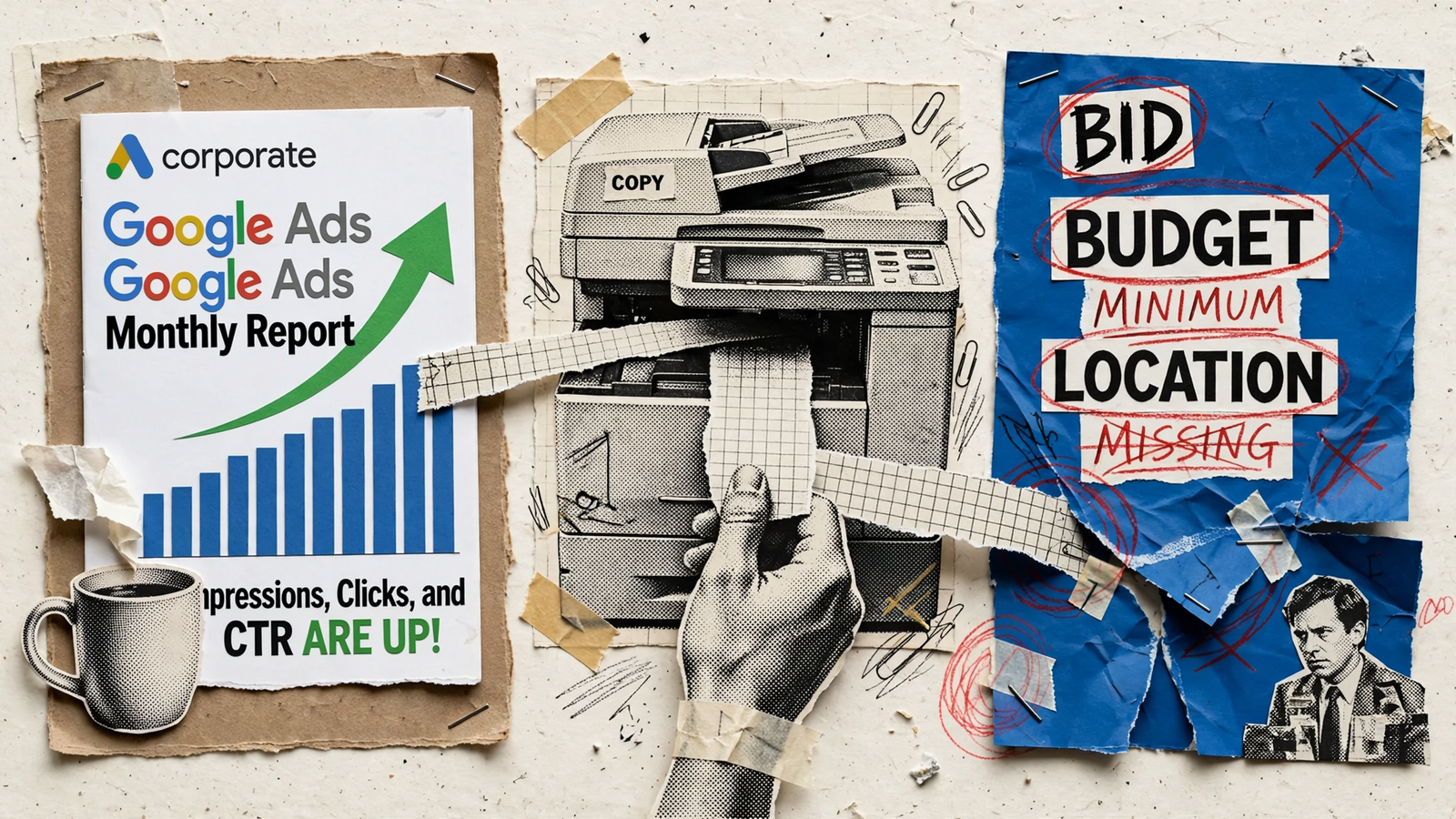
If you import anything, inspect what landed, not what you asked to import. Microsoft’s import documentation describes changes to bid strategies, bids and budgets below platform minimums, and unsupported location targets. Scheduled imports can also overwrite later changes to status, bids, and budgets. Its Google Ads Import guide warns that not everything comes across. I’d check three things before approval:
- Targeting: Review match types and locations. In the r/PPC thread about a dental-client import, one camp says to import once and fix things manually; the other says not to import at all. Neither says to import and walk away.
- Placements: Check where Search spend actually goes. In the Marketingo case study, the Audience Network took 33% of spend in one day. Read the placement report on day two. Exclude what you can and segment what you can’t, or you risk calling a result from MSN a verdict on Bing search.
- Settings: Confirm the ad copy, negative lists, landing pages, bids, and budget. What matters is the campaign you’re about to pay for, not the one you meant to copy.
Judge qualified conversions after the lag, not clicks on day two
I want the placement report early. I don’t want a winner early. Cheap clicks tell me what I paid for traffic, not whether that traffic produced anything worth buying. If the wrap-up leads with CPC, send it back.
Compare cost per qualified conversion. Start with the same conversion action on both platforms, then put the leads through the same sales-acceptance check. A B2B SaaS advertiser on r/PPC reported a nearly 59% lower Bing CPL in parallel testing. That’s a reason to take the test seriously, not a reason to declare Bing the winner. The post doesn’t disclose downstream qualified-pipeline data. A lead that never becomes a meeting doesn’t get more valuable because it was cheap.
If your sales cycle runs forty days, ten days of Bing data won’t tell you how much qualified pipeline the test bought. Read the early placement and search-term reports, fix the leaks, and give conversions time to come in. The Marketingo protocol sizes the test on conversions, not days. That’s the part I’d steal: a calendar can tell me when to check the account, but it can’t tell me whether I have enough conversions to call the test.
The same rule cuts the other way. Don’t declare victory after a few cheap clicks, and don’t pause every Bing keyword with zero conversions in week one. The companion piece on why ChatGPT should leave some zero-conversion Bing keywords alone covers how to read those early numbers. If the evidence is thin, extend the test inside the agreed cap or stop. Don’t promote CPC to a verdict because the metric you wanted hasn’t come in yet.
Give ChatGPT a rule you can defend before spending
Here’s the rule I’d paste into ChatGPT and defend to a client: Compare a capped Microsoft test with the next increment of Google spend, not with Google’s account-average CPA. Use the same qualified outcome and account for conversion lag. Write down what earns more budget before either option spends another cent.
- Expand Microsoft if its cost per qualified conversion, measured over the full conversion lag, beats the estimated cost per qualified conversion from the next Google increment. Move spend in steps you can measure.
- Extend once, inside the ceiling, if the evidence is thin and there’s still room to learn.
- Stop if qualified conversions cost more or the volume never arrives. If the test is inconclusive, call it inconclusive. That’s still cheaper than treating a hunch as a budget allocation.
Require approval before ChatGPT cuts a Google budget to fund Bing. Require it again before Microsoft goes beyond the ceiling. No silent rebalancing. No “small optimization” that moves 20% of spend while you’re making coffee. The point of a cap is that being wrong costs what you agreed to pay, not whatever the account happens to spend before you look again.
Ignore that rule and you’ll keep paying for more Google auctions without making them earn the money. Bing will stay a hypothetical you bring up in planning meetings, and ChatGPT will give the same old budget choice a cleaner write-up. That’s not discipline. It’s inertia with a dashboard.